Laser hair removal is a modern technology that has revolutionized the way we approach hair removal. However, when it comes to Islamic teachings, many people are curious to know whether Is laser hair removal Haram. In this article, we will explore the Islamic perspective on laser hair removal technology and its compatibility with religious principles.
The Basics of Laser Hair Removal
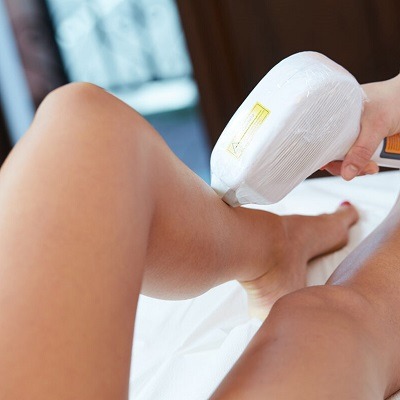
Laser hair removal uses concentrated light to target hair follicles, which disrupts the hair growth cycle and leads to permanent hair reduction. This method has gained popularity due to its long-lasting results and efficiency. The process involves applying a laser to the skin, where the light is absorbed by the pigment in the hair, ultimately preventing the hair from growing back.
While this technique is increasingly common in the modern world, its use in Islamic communities raises important questions about its permissibility under Islamic law.
Understanding the Islamic View on Body Modifications
In Islam, there are specific guidelines regarding body modifications. These guidelines primarily focus on maintaining modesty, protecting the body from harm, and upholding the sanctity of creation. Islam encourages cleanliness and personal grooming, but it also has clear rules about how far one can go when modifying or altering the body.
The key principle in Islamic rulings about body modifications is that any practice must not lead to harm, vanity, or a rejection of Allah’s creation. Therefore, the first step in determining whether laser hair removal is halal or haram is to understand whether it falls under acceptable grooming practices or whether it causes harm to the body.
The Permissibility of Hair Removal in Islam
In Islam, removing hair is not forbidden; in fact, there are many authentic narrations (hadiths) that encourage personal hygiene, including removing unwanted body hair. For example, it is recommended to remove pubic hair and underarm hair regularly for cleanliness and to maintain modesty. The Prophet Muhammad (PBUH) is reported to have encouraged the removal of body hair, which is a practice known as “fitrah” (natural state).
However, the permissibility of a specific method for hair removal depends on the type of procedure and its impact on a person’s body. The general rule is that any method of hair removal that does not lead to harm, does not alter the body in an unnatural way, and does not go against Islamic principles of modesty is considered permissible.
Is Laser Hair Removal Halal?
The central question is whether laser hair removal adheres to these guidelines. In the context of Islamic rulings, laser hair removal is considered permissible by most scholars. This is because the technology works by targeting the hair follicles and preventing hair from regrowing, which is seen as a temporary and non-permanent modification to the body. Unlike tattoos or permanent alterations, laser hair removal does not permanently change the body’s natural form.
The procedure itself does not involve altering the body in a way that would contradict Islamic teachings. It is a hygienic procedure that helps people maintain cleanliness and modesty, and it does not cause harm to the body when done correctly.
Additionally, laser hair removal is not seen as an act of vanity or a form of unnecessary body modification. Many Islamic scholars agree that removing hair for hygiene or modesty is encouraged, and laser hair removal is simply a more effective and modern method of achieving the same goal.
Considerations Before Undergoing Laser Hair Removal
While laser hair removal may generally be considered permissible, there are a few considerations that should be kept in mind when deciding whether to undergo the procedure.
Intention
As with all actions in Islam, the intention behind the action is very important. If the purpose of undergoing laser hair removal is to maintain cleanliness, modesty, and personal grooming in a way that is aligned with Islamic teachings, then the procedure is likely to be considered permissible. However, if the intention is purely for vanity or to excessively alter the body for aesthetic reasons, then it may be viewed as questionable.
Cost and Financial Impact
While Islamic teachings do not prohibit spending on personal grooming, it is important to maintain a balance in financial matters. If the cost of the procedure places an undue financial burden on an individual, it may be advisable to reconsider. Islam encourages moderation in all aspects of life, and extravagance is discouraged.
The Role of Modesty in Hair Removal
Modesty (haya) is an essential concept in Islam, and it plays a significant role in personal grooming and body modifications. In the case of hair removal, modesty is a key factor in determining whether a method is acceptable.
Laser hair removal can be viewed as a means to uphold modesty by removing body hair that may be considered unclean or excessive. In this sense, the procedure aligns with Islamic values of modesty and cleanliness. However, it is important to ensure that the procedure is not done for the purpose of displaying one’s body to others, as this would go against the principle of modesty in Islam.
Conclusion: Is Laser Hair Removal Permissible in Islam?
Is laser hair removal haram in Dubai is generally considered permissible in Islam, as long as the procedure is done with the proper intention, does not cause harm to the body, and does not conflict with Islamic principles of modesty. Islam encourages personal grooming and cleanliness, and laser hair removal is simply a modern and efficient way to achieve these goals.
However, as with any decision, it is important to be mindful of the intention behind the procedure and ensure that it is in line with Islamic values. If these conditions are met, laser hair removal can be viewed as a halal method for maintaining personal hygiene and modesty.