Islam encourages cleanliness and personal hygiene as part of a believer’s faith. Grooming practices such as trimming nails, brushing teeth, and removing unwanted body hair are not only accepted but are considered acts of cleanliness. However, when it comes to modern techniques like Is laser hair removal Haram many Muslims seek clarity regarding its permissibility.
Islamic Principles of Grooming
The foundation of Islamic grooming lies in maintaining cleanliness and modesty. The Prophet Muhammad (peace be upon him) emphasized the removal of underarm and pubic hair as part of natural hygiene. This practice reflects the Islamic principle of fitrah, which refers to the natural disposition and purity every Muslim is encouraged to maintain.
Understanding Laser Hair Removal
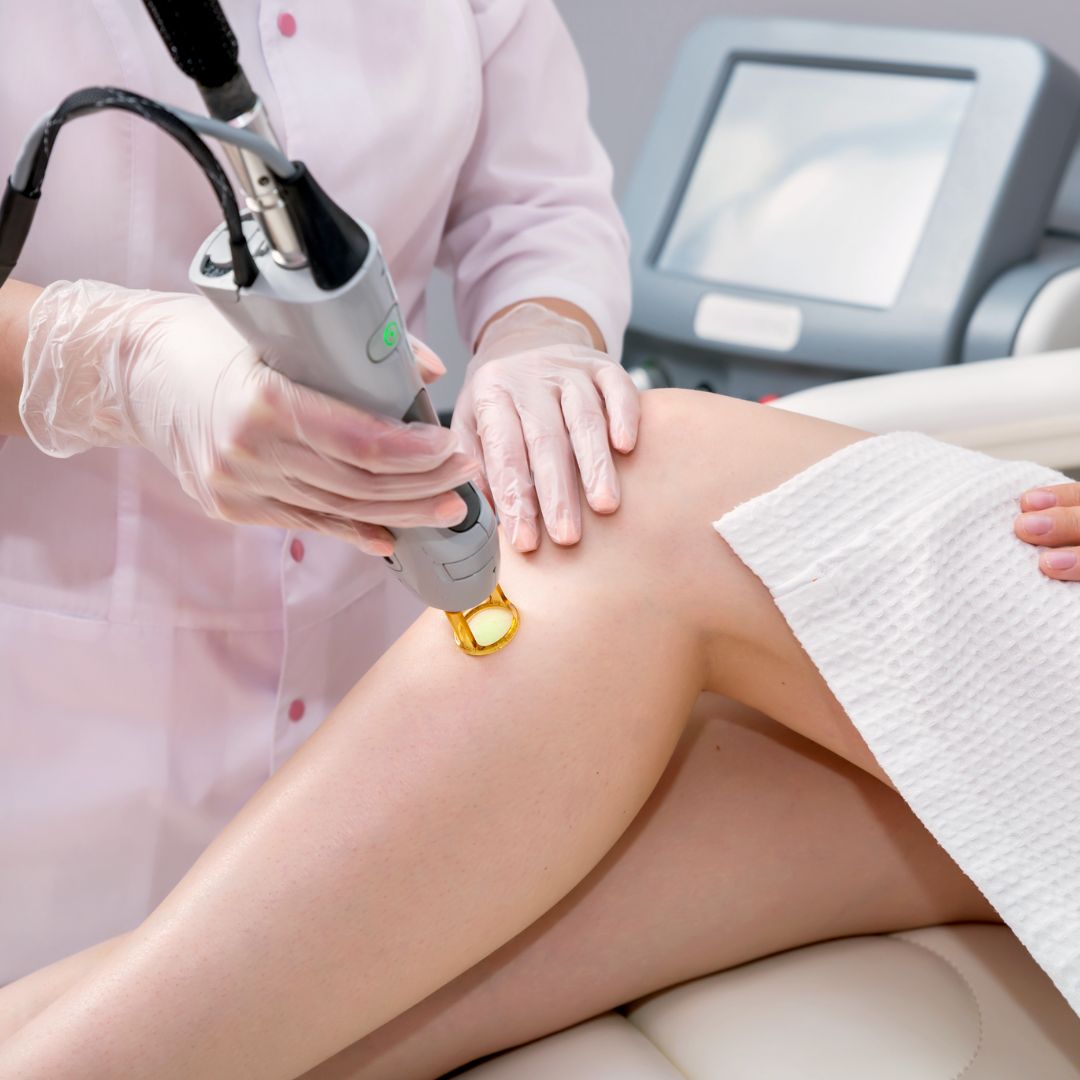
Laser hair removal is a method that uses light to target hair follicles, leading to reduced hair growth over time. It is considered more permanent than traditional methods like shaving or waxing. The method itself is neutral; it becomes subject to Islamic rulings based on how and why it is performed.
Conditions for Permissibility in Islam
In Islam, the permissibility of any act is determined by several factors including intention, method, and the parts of the body involved. Laser hair removal can be halal if done in a way that preserves modesty, avoids exposure of the awrah (intimate parts), and serves a purpose that aligns with Islamic values such as cleanliness and marital intimacy.
Gender Interaction and Modesty
One of the primary concerns in Islamic law is the preservation of modesty. If a woman undergoes laser hair removal, the procedure should be carried out by another woman to avoid exposing the awrah to non-mahram individuals. The same applies to men. Ensuring that the treatment is done by someone of the same gender is a critical factor in determining its permissibility.
Body Areas and Religious Boundaries
Islam permits the removal of hair from areas such as the underarms, arms, legs, and the pubic region. These are parts of the body that Muslims are encouraged to clean regularly. However, removing hair from areas that Islam prohibits altering—such as the eyebrows—is not allowed. Therefore, laser treatment should be limited to areas that Islamic teachings permit.
Intention Behind the Procedure
The intention behind hair removal plays a significant role in Islamic rulings. If the purpose is to maintain cleanliness or to beautify oneself for a spouse, it is considered a good intention. But if the purpose is to imitate forbidden cultural practices or attract non-mahram attention, then the act can become questionable under Islamic law.
Scholarly Opinions on Laser Hair Removal
Islamic scholars who have addressed the issue of laser hair removal generally agree that it is permissible under certain conditions. These include preserving modesty, treating permissible areas, and avoiding harmful effects. Since the method itself does not involve any prohibited substance or action, the focus remains on how it is practiced.
The Role of Permanent Hair Reduction in Islam
Islam does not object to permanent solutions for hair removal if they serve a beneficial purpose and are applied within the boundaries of religious teachings. Since cleanliness is a form of worship in Islam, using a method that helps maintain it efficiently can be seen as favorable, provided it does not lead to any haram actions during the process.
Conclusion
Is laser hair removal in Haram is permissible in Islam when it aligns with the values of modesty, hygiene, and intention. It should be carried out in a private and respectful setting, b someone of the same gender, and only on body areas that Islam permits altering. As with any personal decision in religious practice, consulting a knowledgeable scholar for individual guidance is always encouraged.