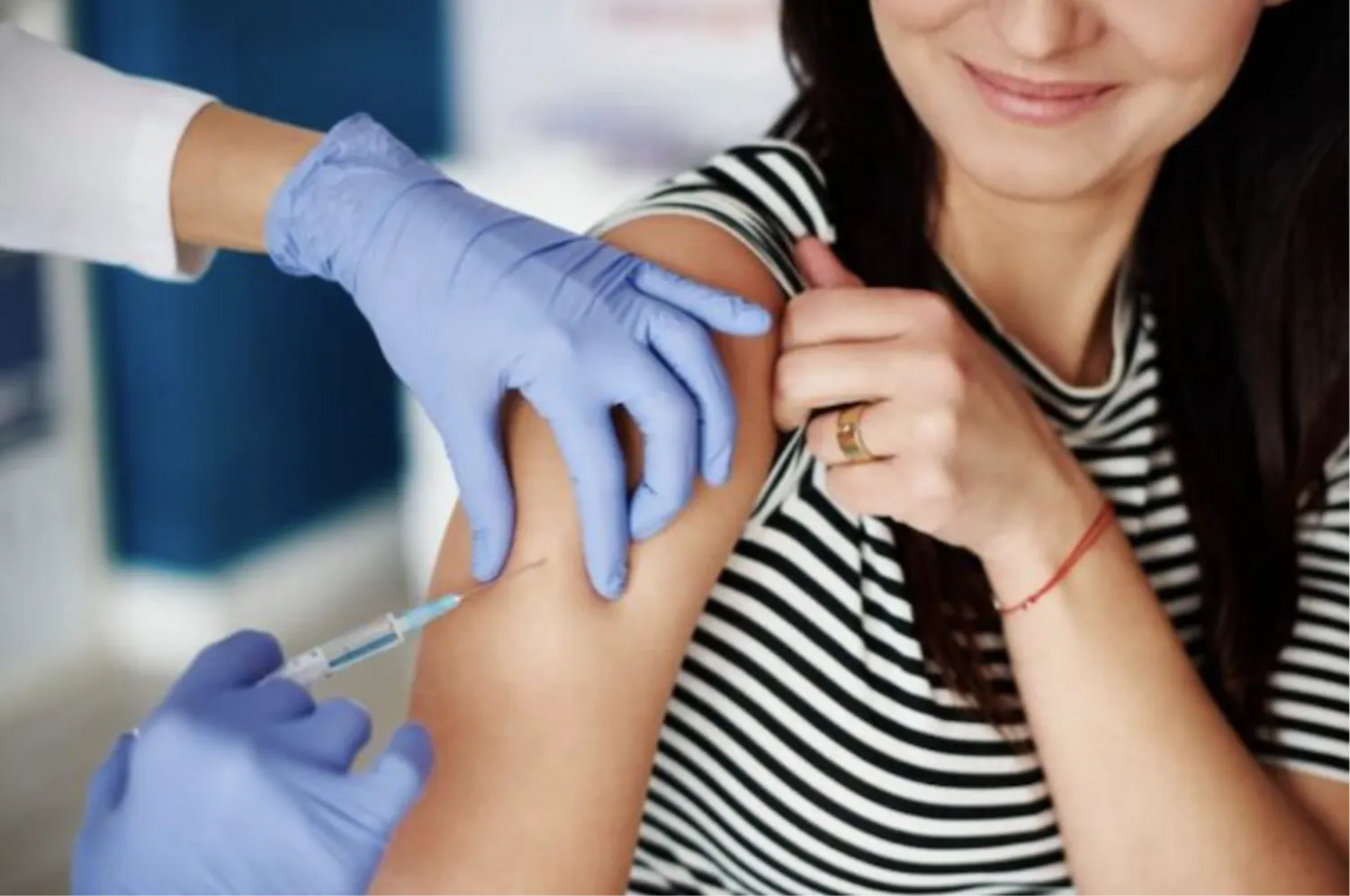
When receiving Injection at Home Dubai safety is the foundation of successful treatment. One of the most important aspects of this safety is proper needle handling. Unlike clinical environments where professionals manage every step, home settings require extra care to avoid risks such as infection, injury, or contamination. Whether you are self-injecting or being assisted by someone, understanding needle safety is not optional—it’s a necessity.
Needle safety protects not just the person receiving the injection but also those nearby. Improper handling, storage, or disposal can lead to avoidable issues that compromise health and hygiene. By staying informed and prepared, you create a safer space for every injection session.
Choosing the Right Environment
Clean and Calm Setting
Always select a clean, well-lit space for the injection. Ensure the surface is disinfected and free of clutter. A quiet environment also helps reduce anxiety and increases focus during the procedure, minimizing the chance of mishandling the needle.
Organized Tools and Supplies
Before beginning, gather all necessary supplies and place them within easy reach. This includes sterile needles, syringes, alcohol wipes, gloves, and a disposal container. Proper organization prevents last-minute scrambling, which can lead to accidental injury.
Preparing the Needle Safely
Check Packaging for Integrity
Make sure the needle is in its original, sealed packaging. If the package appears torn, wet, or previously opened, do not use it. A sterile needle is critical to preventing contamination during an injection at home.
Avoid Touching the Needle Tip
When handling the needle, never touch the tip or inner areas. Always hold it by the cap or designated part to avoid contamination. Even clean hands can introduce bacteria to a sterile needle if touched incorrectly.
During the Injection Process
Use a New Needle Each Time
Reusing needles, even once, significantly increases the risk of infection and tissue damage. Each injection should be performed with a brand-new, sterile needle. This rule applies whether you are injecting medication, vitamins, or anything else.
Maintain a Steady Hand
Whether self-administering or assisting, use a steady hand and calm approach. Rushed or shaky movements can lead to accidental pokes, improper placement, or bruising. Confidence and control go a long way in needle safety.
After the Injection
Dispose of the Needle Immediately
Never leave a used needle lying around. Immediately place it into a puncture-resistant, clearly labeled sharps container. If an official container is not available, use a heavy plastic bottle with a secure lid. The key is to ensure it cannot be accidentally opened or punctured.
Never Re-cap a Used Needle
Trying to put the cap back on a used needle is one of the leading causes of accidental needle sticks. Once used, it should go directly into the disposal container—no exceptions.
Storage and Handling of Unused Needles
Keep Needles in a Secure Area
Store unused needles in a clean, dry, and secure place. They should be kept out of reach of children and anyone not trained to handle them. The storage area should be away from food, personal items, or open surfaces.
Avoid Exposure to Extreme Temperatures
Needles and syringes should be stored at room temperature. High heat or moisture can compromise the materials, making them more likely to break or lose sterility. Always check manufacturer guidance for specific storage instructions.
Preventing Accidental Injuries
Clear Communication During the Procedure
If someone is helping you with an injection at home, communicate clearly throughout the process. Make sure everyone involved knows when and where the injection is happening, especially if children or pets are present in the room.
Use Gloves When Assisting
If another person is administering the injection, they should wear disposable gloves to maintain hygiene. This not only protects the recipient but also adds a barrier between the needle and the person assisting.
Sharps Disposal Practices
Proper disposal is a key part of needle safety, especially in home settings. A used needle is still considered hazardous. If not handled and discarded correctly, it poses a risk of injury and potential exposure to bloodborne pathogens.
In some areas, there are designated programs for collecting sharps containers. Others may require users to take containers to specific disposal sites. Always research your local guidelines for safe and legal disposal.
What to Do in Case of a Needle Stick
While rare, accidental needle sticks can happen. If you or someone else is injured, immediately wash the area with soap and water. Document the incident, monitor the wound, and take appropriate medical steps if necessary. Quick action reduces risk and supports proper care.
Even during a professional Injection at Home in Dubai, users are encouraged to remain aware of the surroundings and procedures, not just rely on the person giving the injection. Personal vigilance plays a crucial role in avoiding accidents.
The Role of Training and Familiarity
Needle safety improves significantly when the person administering the injection is trained or experienced. If you are new to injections, take time to learn the process thoroughly before attempting it. Practice handling materials (without uncapping needles) and understand each step before proceeding.
Some choose to have supervised sessions first to build confidence. Familiarity reduces mistakes and builds habits that lead to better long-term safety.
Conclusion
Practicing needle safety during Injection at Home in Dubai is not just about avoiding problems—it’s about building confidence in your health routine. From choosing the right setting and preparing correctly, to disposing of materials safely, each step has a purpose. Simple habits like not reusing needles, not recapping them, and storing tools properly can prevent issues before they start.
Whether you're managing ongoing care or receiving a one-time injection, needle safety should never be overlooked. Even when receiving Injection at Home in Dubai, attention to detail, clean technique, and responsible disposal make the process not only safer but more effective. Taking these steps transforms a routine task into a confident, safe part of your health journey