Every second matters, and every movement matters within emergency medical services. Transporting patients isn’t just about getting people in and out quickly; it’s about stability, safety, and precision. The stretcher safety arm system is a component widely overlooked in this process; however, it plays a key role in ensuring enhanced protection for both patients and first responders during transit.
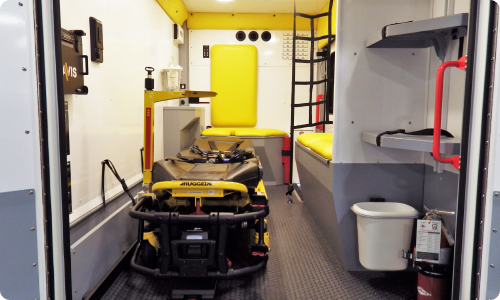
Ambulances and medical transport vehicles work in unpredictable climates. Sudden stops, sharp turns, and bumpy roads can be risky if equipment isn’t properly secured. A properly designed stretcher safety arm system is a locking mechanism that keeps the stretcher in position during the ride. It limits horizontal movement and markedly lowers the risk of unintended shifts that can jeopardize patient care.
Real challenges for emergency professionals drive safety innovations in this field. Many contemporary systems use automatic locking arms that activate as the stretcher enters. With the hands-free functionality, paramedics can concentrate solely on providing care instead of locking equipment into place. In high-pressure situations, eliminating even a single step can be meaningful.
A second major benefit is injury prevention for medical personnel. Being physically able to lift and load stretchers can be physically demanding, especially in close proximity or chaotic environments. The stretchers feel sturdy, and the vehicle design incorporates a stretcher safety arm system that enhances controlled loading. The arms direct the stretcher into position to lessen strain on workers and prevent workplace injuries. In the long term, this leads to better staff well-being and operational excellence.
Endurance and compliance matter too, of course. Emergency vehicles have rigorous safety criteria to meet around North America, and gear inside them needs to perform consistently under regular use. Safety arm systems of superior quality are usually made of reinforced steel or special alloys that can withstand the test of time. They also go through comprehensive testing to satisfy industry regulations, providing reliable service when it counts.
Another trend in advanced emergency vehicle solutions is customization. Based on the type of care, there are varying needs among agencies. Stretcher safety arm systems, integrated into a custom vehicle layout, are the most effective way to facilitate either urban response units or long-distance medical transport. Thanks to adjustable configurations that can be adapted according to different stretcher models, the system is flexible and prepared for future developments.
Above the moving functionality these systems provide, they also foster overall confidence in transporting the machine. With the knowledge that the stretcher is securely anchored, medical teams can concentrate on monitoring vital signs, providing treatment, and communicating clearly. This degree of confidence in a critical care situation is invaluable.
While emergency response continues to develop, so does the technology that enables it. So it’s time to step up and do more than meet standards with a stretcher safety arm system. It is a testament to our commitment to patient safety, responder safety, and operational effectiveness — making every step of the journey as safe as it can be.
Sam Carter is the author of this article. To know more about Medical Device Mounts, please visit our website: rowlandemergency.com.