Selecting the right microcontroller (MCU) is a critical step in any embedded systems project. With countless options available, beginners may find the process overwhelming. Understanding the various features, specifications, and applications of microcontrollers can help streamline the decision-making process. This guide aims to break down the essential factors to consider when choosing a microcontroller, offering insights into what to prioritize based on your project's requirements. By understanding these elements, you'll be better equipped to select a microcontroller that meets your needs, whether you're developing a simple sensor project or a complex automation system.
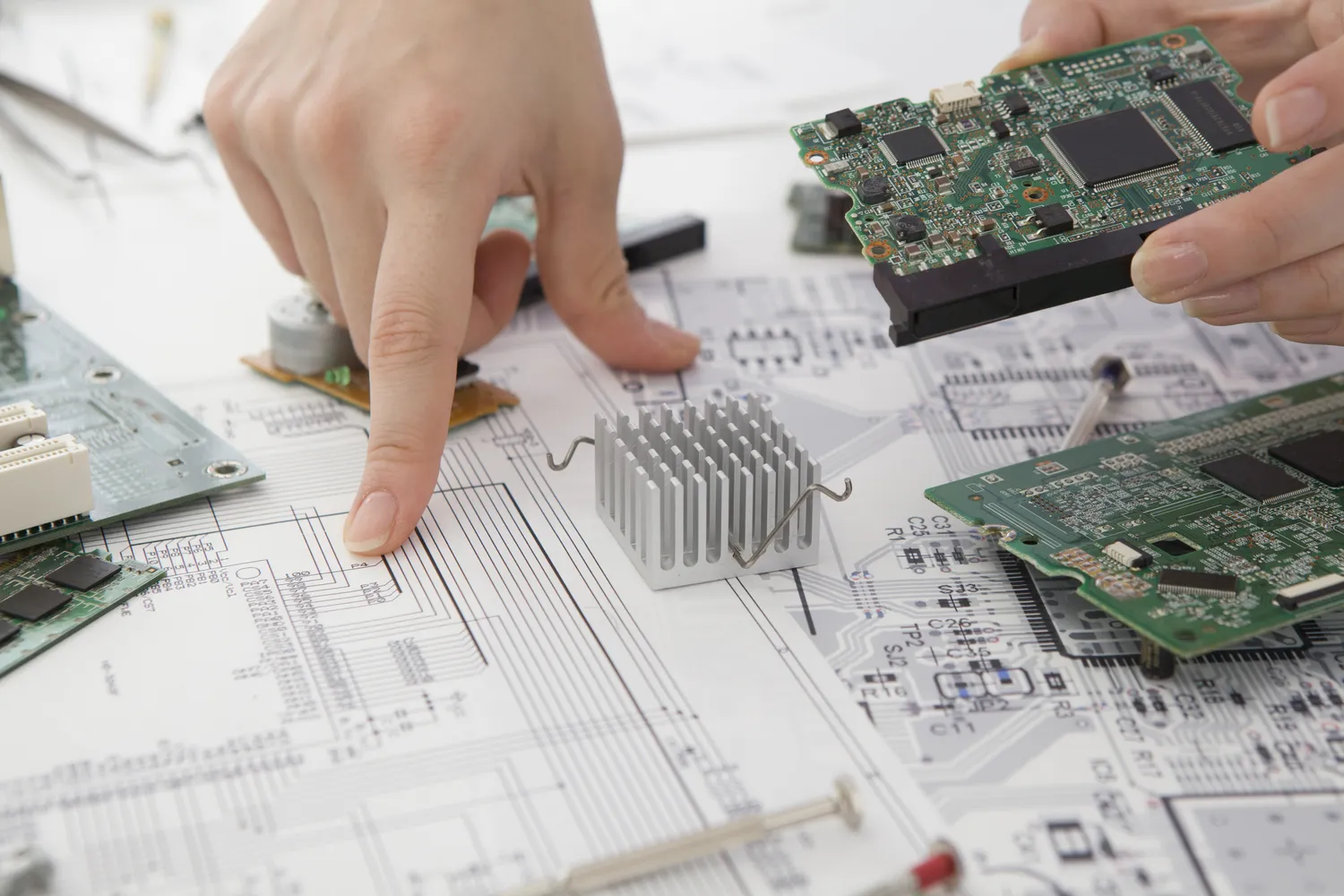
Understand Your Project Requirements
Before diving into the specifics of microcontrollers, it's crucial to have a clear understanding of your project's needs. Define what your project aims to achieve, as this will directly influence the type of microcontroller you'll need. Consider factors such as the number of input/output pins required, the processing power necessary for your tasks, memory requirements, and power consumption. For example, a simple LED blinking project requires only a few pins and minimal processing power, while a complex IoT device may need a microcontroller with multiple communication interfaces and significant memory.
Consider the Processing Power
The processing power of a microcontroller is a key factor to consider, as it dictates the speed at which your program can execute tasks. Microcontrollers come with different clock speeds, usually measured in MHz. Higher clock speeds enable faster data processing, which is essential for time-sensitive applications such as real-time data acquisition or signal processing. However, more processing power often comes at the cost of increased power consumption, so it's important to balance your need for speed with the available power resources, especially if your project is battery-powered.
Evaluate Memory Needs
Memory is another critical aspect of microcontroller selection. Microcontrollers typically have two types of memory: Flash (for storing code) and RAM (for storing data temporarily). The amount of Flash memory you'll need depends on the size of your program, while the amount of RAM is determined by the amount of data your program needs to process simultaneously. If you're working on a project that involves complex algorithms or data handling, you'll require more RAM and Flash memory. Conversely, for simpler tasks, a microcontroller with minimal memory might suffice, which could also reduce costs.
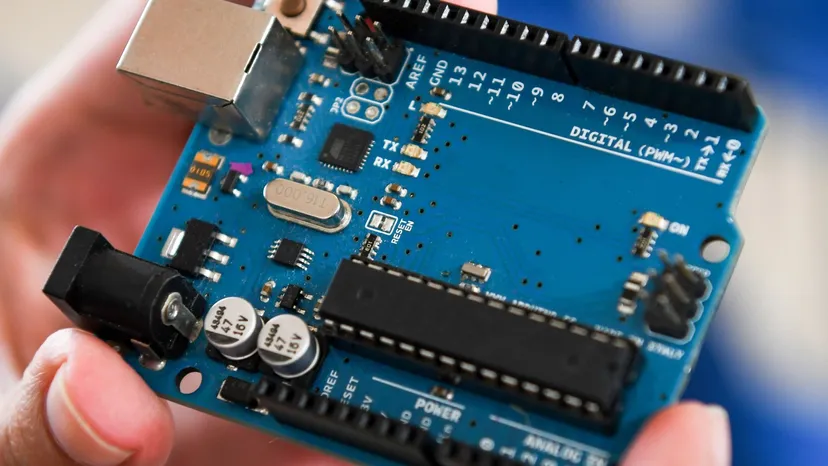
Assess Input/Output (I/O) Capabilities
The number and type of input/output pins on a microcontroller are essential for interfacing with other components in your project, such as sensors, actuators, or communication modules. Digital and analog I/O pins allow you to connect various devices, and the number of pins you need will depend on the complexity of your project. Additionally, consider whether the microcontroller supports communication protocols like I2C, SPI, or UART, which are vital for connecting to other devices in a networked environment.
Power Consumption Considerations
Power consumption is a critical factor, especially for projects that rely on batteries. Microcontrollers vary widely in their power usage, with some designed for low-power applications and others optimized for performance. If your project involves a portable or battery-operated device, you'll want to choose a microcontroller that offers power-saving modes and can operate efficiently on low power. It's important to strike a balance between the microcontroller's performance capabilities and its power consumption to ensure your project runs efficiently without draining the battery too quickly.
Scalability and Future Needs
When selecting a microcontroller, it's also worth considering the potential for project expansion or future upgrades. Choosing a microcontroller that offers scalability, such as additional memory or processing power in future models, can save you from having to redesign your project from scratch. Additionally, think about the availability of development tools, community support, and documentation, as these resources can significantly ease the learning curve and provide assistance as your project grows. click here to know more about microcontroller.

Evaluate Development Tools and Community Support
Lastly, consider the availability of development tools, libraries, and community support for the microcontroller you're considering. A strong ecosystem of development tools can make programming and debugging your project much easier, while active community support can provide valuable insights and help troubleshoot issues. Access to example codes, tutorials, and forums can be especially helpful for beginners who may encounter challenges along the way.
Conclusion
Choosing the right microcontroller is a vital step in the development of any embedded system. By carefully considering your project's specific requirements, processing power needs, memory capacity, I/O capabilities, power consumption, and the potential for future expansion, you can make an informed decision that ensures your project’s success. With the right microcontroller, you’ll have a solid foundation to build your project, whether it’s a simple hobbyist project or a complex professional application.