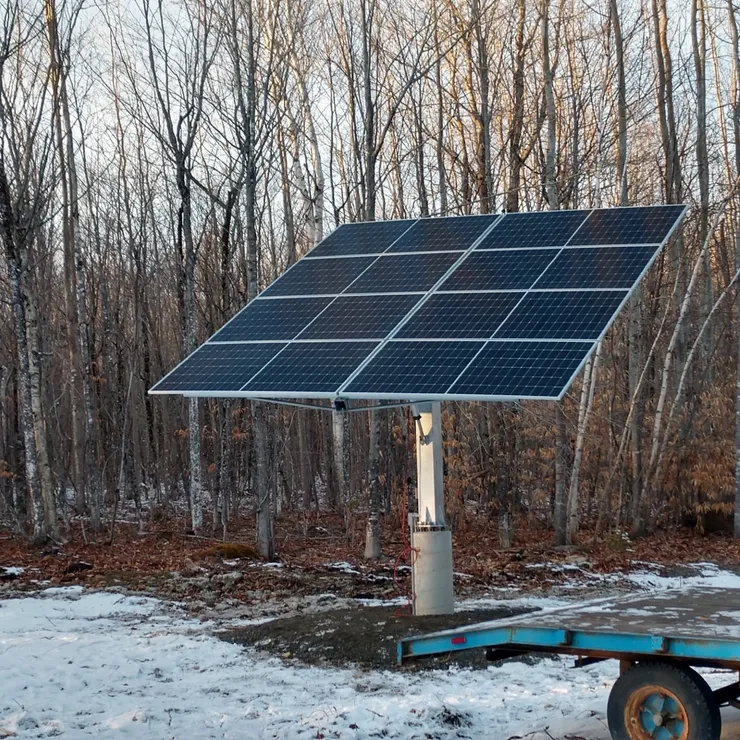
As the demand for clean, renewable energy sources increases, solar power continues to be one of the most reliable and sustainable options. However, achieving maximum efficiency with solar energy systems requires more than just installing a few panels. A key innovation that boosts solar energy efficiency is solar tracking. This article delves into the mechanics of solar tracking, how it improves solar energy performance, and the key benefits it brings to solar power systems.
What is Solar Tracking and How Does It Work?
Solar tracking refers to the ability of solar panels to follow the sun as it moves across the sky during the day. This tracking technology helps the panels maintain the most efficient angle for sunlight absorption, enhancing the overall energy yield. Unlike fixed solar panels, which are positioned in one static direction, solar tracking systems adjust the panel’s position throughout the day to ensure they capture the maximum amount of sunlight.
There are two primary types of solar tracking systems: single-axis and dual-axis trackers. A single-axis tracker rotates the solar panels along a horizontal or vertical axis, while a dual-axis tracker can move the panels both horizontally and vertically, ensuring they always face directly toward the sun. This added flexibility allows for better optimization of solar panel performance, especially in areas where the sun’s position changes significantly throughout the year.
The Benefits of Solar Tracking for Solar Energy Systems
Solar tracking systems significantly improve the performance of solar energy systems. By constantly adjusting the position of the panels, these systems ensure they are always optimally aligned with the sun. This results in increased solar energy production compared to fixed solar systems, where panels may not always be positioned correctly due to changes in the sun's position throughout the day.
The increase in energy production is one of the most compelling reasons to invest in solar tracking technology. Studies suggest that solar tracking can enhance energy production by up to 40%, depending on the location and type of tracking system used. This can translate into more energy for homes or businesses, reducing electricity costs and reliance on non-renewable energy sources.
Solar Tracking: A Cost-Effective Solution for Maximizing Solar Energy Efficiency
While solar tracking systems may have a higher initial cost compared to traditional fixed-panel systems, the long-term benefits often outweigh the extra investment. The increased energy output that solar tracking provides results in faster payback times for the system. With higher efficiency and production, users can recoup the added upfront cost of the tracking system in a shorter period, making it a smart financial decision in the long run.
Moreover, solar tracking helps maximize the use of available space. In areas with limited space, like urban environments, solar tracking can increase the energy output of each panel, allowing for more energy generation without requiring additional space. This makes solar power more accessible for a wider range of properties, from residential homes to commercial buildings, increasing its applicability and overall impact.
Conclusion
Solar tracking is a powerful tool for improving the efficient solar energy systems. By allowing solar panels to follow the sun throughout the day, solar tracking ensures that panels always maintain the optimal angle for maximum energy absorption. This leads to increased energy production, improved cost-effectiveness, and a more sustainable energy solution. Whether for residential, commercial, or industrial use, solar tracking technology is an investment in both efficiency and long-term savings, making it a crucial component for anyone looking to maximize the potential of solar energy.