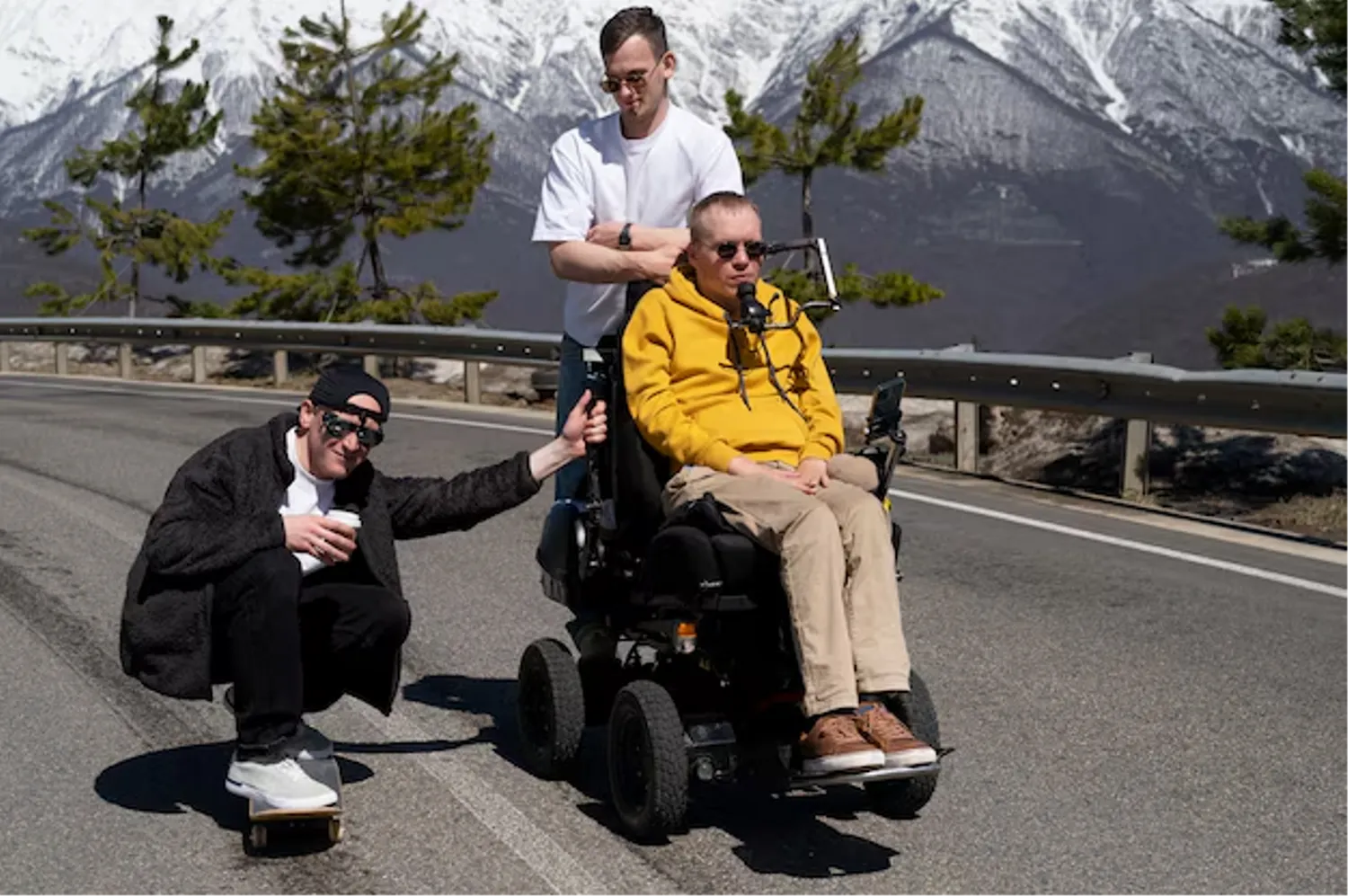
Nature has a way of leveling the playing field, offering peace and perspective to all who enter. For those engaging in wheelchair hiking, the experience is as much about the journey as it is the destination. With the right approach and a bit of grit, the forest floor becomes a highway to new experiences and unforgettable family memories.
Understanding the Terrain
Terrain awareness is the most critical skill for an adaptive hiker. Dirt trails can turn to mud after a light rain, and loose gravel can act like quicksand for narrow tires. Learning to "read" the ground ahead allows the navigator to choose the line of least resistance, preserving energy and ensuring the wheelchair remains stable throughout the entire trip.
Paved vs. Unpaved Surfaces
While paved trails offer the easiest access, they don't always provide the "deep woods" feeling many hikers crave. Many parks now use "crushed and packed" fines which provide a firm surface suitable for wheels while maintaining a natural look. Exploring these middle-ground options is a great way to experience authentic nature without the technical difficulty of a rugged mountain goat path.
Handling Elevation Changes
Inclines are the ultimate test of strength and equipment. For manual users, a short, steep burst might be manageable, but long, sustained climbs require strategy. Using a "zig-zag" pattern or having a partner provide a "push assist" can make these sections safer. As noted on Kellisa’s Path, some of the best views come after a challenging climb that tests your resolve.
Gear That Goes the Distance
Your gear is your lifeline when you are miles away from the nearest parking lot. Beyond the chair itself, small additions can significantly enhance the experience. For instance, a simple chest harness can provide extra stability for the occupant during bumpy descents, and a high-visibility flag ensures that other hikers and bikers can see the chair from a distance.
The Role of Off-Road Tires
Switching from standard indoor tires to knobby, wide-profile tires is a game-changer. These tires provide the necessary traction to grip loose soil and provide a "cushion" against rocks and roots. If you plan on frequent disabled hiking trips, having a dedicated set of "outdoor wheels" is one of the best investments you can make for your mobility device.
Hydration and Nutrition
It’s easy to get caught up in the technical aspects of the hike and forget basic self-care. Because adaptive hiking can be more physically demanding, staying hydrated is crucial. Mounting a hydration bladder to the back of the chair allows for hands-free drinking, ensuring that the hiker remains fueled and focused on the path ahead throughout the day.
Conclusion
Success in the wilderness is defined by preparation, patience, and the willingness to try. Each trip provides new lessons that can be applied to the next adventure, making the process of exploring nature a lifelong learning experience. Wheelchair users are proving every day that a seat with wheels is not a limitation, but a different way to travel.
As more people take to the trails, the demand for accessible spaces will only grow. This visibility is vital for securing funding for park improvements and new trail construction. By getting out there and showing the world what is possible, we pave the way for a future where every trail is a path to inclusion and every mountain is reachable.