In the scorching heat of summer, a reliable HVAC (Heating, Ventilation, and Air Conditioning) system becomes an oasis of comfort. However, maintaining optimal indoor temperatures isn't just about blasting the AC; it's about efficiency, sustainability, and cost-effectiveness. As experts in the field, RN Air Conditioning presents The Ultimate Guide to Keeping Cool, offering invaluable tips to ensure your HVAC system runs smoothly and keeps you comfortable all season long.
Understanding Your HVAC System: Before delving into tips for optimal performance, it's crucial to understand the basics of your HVAC system. HVAC systems regulate indoor temperatures by controlling air temperature, humidity, and quality. They consist of various components, including the furnace or heat pump, air conditioner, ductwork, thermostat, and air filters. Understanding how these components work together is essential for efficient operation.
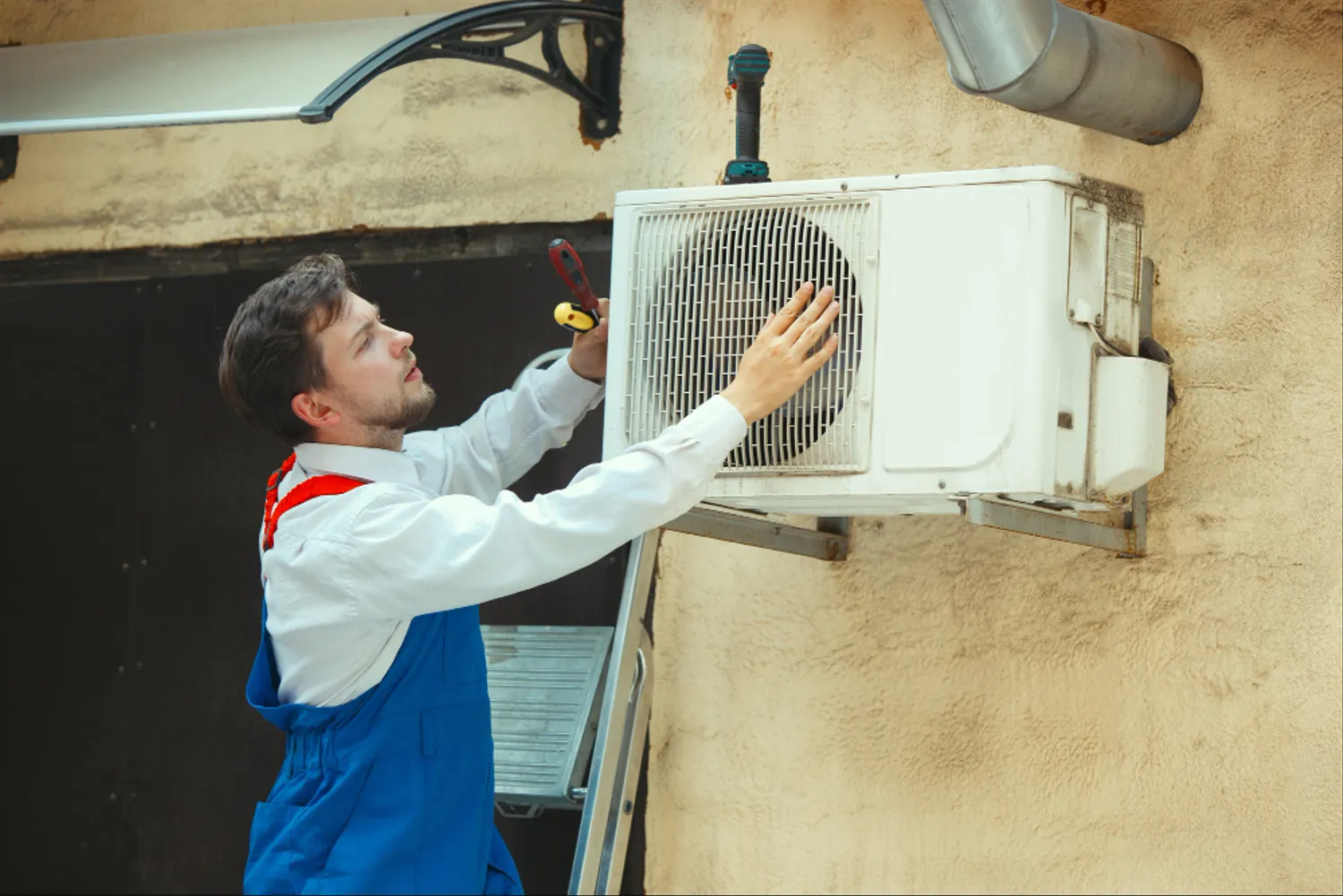
Regular Maintenance: Regular maintenance is the cornerstone of HVAC efficiency and longevity. Schedule professional inspections and tune-ups at least once a year, preferably before the summer season kicks in. During maintenance visits, technicians will inspect and clean the various components, lubricate moving parts, check refrigerant levels, and ensure everything is in working order. Additionally, don't forget to replace air filters regularly, as dirty filters can restrict airflow and strain the system.
Optimal Thermostat Settings: Setting the thermostat at the optimal temperature not only keeps you comfortable but also helps save energy and reduce utility bills. During the summer months, aim for a temperature between 75-78°F (24-26°C) when you're at home and slightly higher when you're away. Installing a programmable thermostat allows you to adjust temperatures based on your schedule, optimizing energy usage without sacrificing comfort.
Enhanced Insulation: Proper insulation is essential for maintaining a consistent indoor temperature and reducing energy consumption. Insulate your home's walls, attic, and ductwork to minimize heat transfer and keep cool air inside. Sealing gaps and cracks around doors and windows also prevents hot air from infiltrating your living spaces, easing the workload on your HVAC system.
Airflow Optimization: Optimizing airflow throughout your home ensures even cooling and reduces strain on your HVAC system. Keep vents and registers unobstructed by furniture, curtains, or rugs to allow for proper air circulation. Ceiling fans can also complement your HVAC system by circulating cool air more effectively, allowing you to raise the thermostat a few degrees without sacrificing comfort.
Upgrade to Energy-Efficient Equipment: If your HVAC system is outdated or inefficient, consider upgrading to energy-efficient equipment. Energy Star-certified appliances consume less energy while delivering the same level of comfort. Though the initial investment may seem daunting, the long-term savings on energy bills make it a worthwhile endeavor. Additionally, some utility companies offer rebates or incentives for upgrading to energy-efficient HVAC systems.
Utilize Zoning Systems: Zoning systems divide your home into separate areas with independent temperature controls, allowing you to customize comfort levels based on usage patterns. By only cooling occupied areas, zoning systems reduce energy waste and optimize efficiency. This is particularly beneficial for larger homes or multi-story residences with varying temperature preferences.
Manage Humidity Levels: Excessive humidity can make indoor spaces feel warmer and uncomfortable, even if the temperature is set correctly. Your HVAC system plays a crucial role in managing humidity levels through its dehumidification function. Ensure your system is properly sized to handle humidity control effectively. Additionally, consider using standalone dehumidifiers in particularly humid areas of your home, such as basements or bathrooms.
Schedule Regular Filter Changes: Dirty air filters not only hinder airflow but also diminish indoor air quality. Make it a habit to check and replace air filters regularly, typically every 1-3 months, depending on usage and filter type. Clean filters improve airflow, reduce strain on your HVAC system, and help prevent dust and allergens from circulating in your home.
Invest in Professional Duct Cleaning: Over time, dust, debris, and even mold can accumulate in your ductwork, compromising indoor air quality and HVAC efficiency. Professional duct cleaning removes these contaminants, ensuring clean, unobstructed airflow throughout your home. Schedule duct cleaning every few years to maintain optimal performance and indoor air quality.
Conclusion: A well-maintained HVAC system is the key to staying cool and comfortable during the sweltering summer months. By following the tips outlined in The Ultimate Guide to Keeping Cool, provided by RN Air Conditioning, you can optimize your HVAC system's performance, reduce energy consumption, and enjoy a refreshing indoor environment without breaking the bank. Remember, a little preventive maintenance goes a long way in ensuring your comfort and peace of mind all season long.