Looking for the best cardiologist in Gwalior? Here's something worth reading before your next checkup.
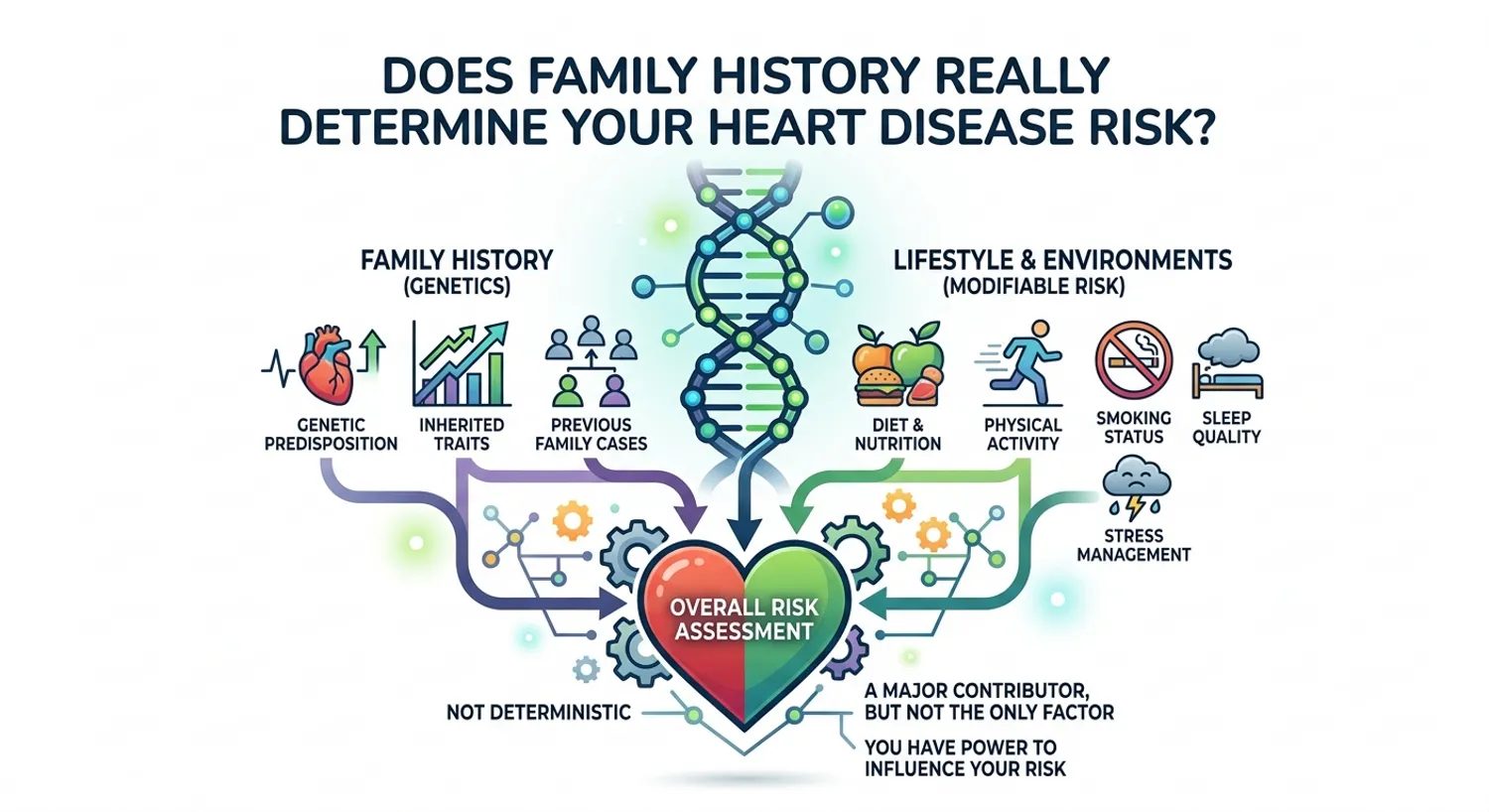
You've probably heard someone say, "Heart disease runs in my family, so there's not much I can do about it." It's a common belief, and honestly, it's only half true. Genetics do play a role in cardiovascular health, but they're far from the whole story.
What Family History Actually Tells You
If your parent or sibling had a heart attack or was diagnosed with coronary artery disease before age 55 (for men) or 65 (for women), your own risk does go up. Researchers believe this happens because families often share more than DNA — they share cholesterol tendencies, blood pressure patterns, and even how the body processes sugar and fat. Some of this is inherited directly through genes linked to conditions like familial hypercholesterolemia, where the body struggles to clear LDL cholesterol from the blood.
But here's the catch: having a genetic predisposition isn't the same as having a guaranteed outcome.
Also Read: Knee Replacement in Gwalior
Genes Load the Gun, Lifestyle Pulls the Trigger
This old saying gets repeated in medical circles for good reason. A family history of heart disease might tilt the odds, but daily habits are usually what decide the final result. Smoking, a sedentary lifestyle, poor sleep, chronic stress, and a diet heavy in processed food can turn a moderate genetic risk into a serious one. On the flip side, people with a strong family history who stay active, eat well, and manage stress often live long, heart-healthy lives.
Think of it this way: genetics set the starting line, not the finish line.
So What Should You Actually Do?
1. Know your numbers. Get your cholesterol, blood pressure, and blood sugar checked regularly, especially if heart disease runs in your family.
2. Don't wait for symptoms. Many heart conditions develop silently for years before any warning signs appear.
3. Talk to a specialist early. If you have a family history, starting screenings in your 30s rather than your 50s can make a real difference.
4. Focus on what you can control. Diet, exercise, sleep, and stress management aren't just buzzwords — they genuinely change your risk profile over time.
The Bottom Line
Family history matters, but it's a piece of the puzzle, not the whole picture. Two people with the exact same genetic risk can end up with completely different heart health outcomes based on how they live. That's actually good news — it means you have more control than you might think.
If heart disease has touched your family, the smartest move isn't to worry — it's to get informed and get checked. Early awareness combined with the right lifestyle choices can change the entire trajectory of your heart health.
Consulting an experienced cardiologist in Gwaliorcan help you understand your personal risk factors, interpret your family history correctly, and build a prevention plan that actually fits your life.