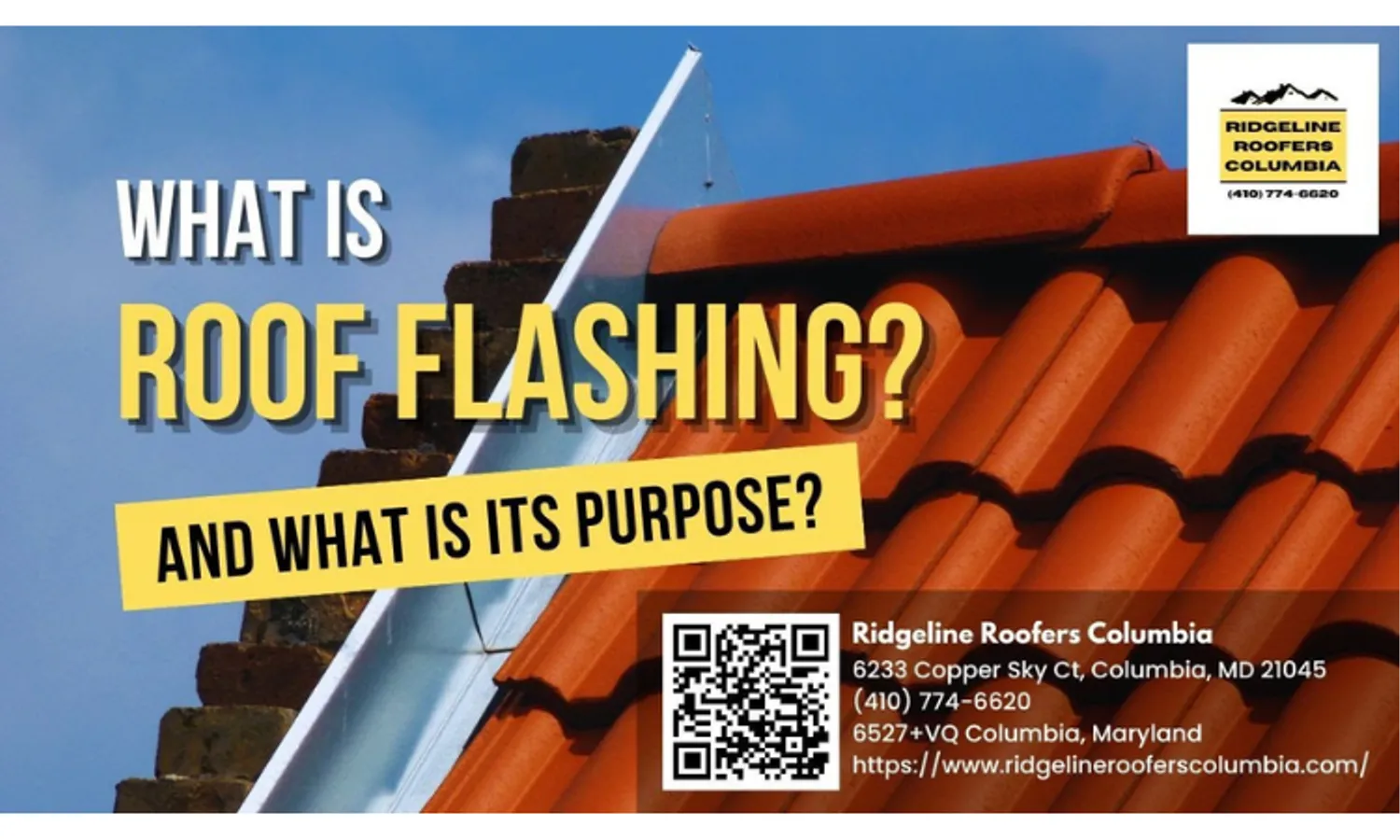
As homeowners, we all want to ensure that our homes are in perfect condition, both inside and out. One essential part of your home's exterior that requires regular maintenance is your roof. It not only enhances your home's curb appeal but also protects your family and possessions from the elements. One of the key components of your roofing system is flashing, which is used to prevent water from penetrating vulnerable areas and causing damage. In this blog post, we will be discussing what roof flashing is and its purpose.
Roof flashing is a thin metal or plastic material that is installed on your roof to protect areas that are prone to water damage. The primary purpose of flashing is to redirect water from these vulnerable areas so that it does not enter your home. They are typically installed around pipes, chimneys, and skylights, and in valleys where two slopes meet. Flashing plays a crucial role in ensuring that your roof lasts longer and remains leak-free.
There are several types of flashing available, and the type you use depends on your roofing system and the area you need to protect. The most common types are step flashing, drip edge flashing, valley flashing, and chimney flashing. Step flashing is used around dormers and other roof projections, while drip edge flashing is installed on the edges of your roof to prevent water from penetrating underneath. Valley flashing is used where two roof surfaces meet, and chimney flashing is used to prevent water from entering the gap between the chimney and the roof. Understanding the different types of flashing is essential to ensure that your roofing system is correctly installed and maintained.
Benefits of Installing Roof Flashing
For those not familiar, roof flashing is a thin, waterproof material that's installed around roof intersections, corners, and any other gaps to prevent water from entering. Here are some of the benefits of installing roof flashing:
- Prevents water leaks: Roof flashing is designed to keep water away from the vulnerable areas of your roof. Without adequate flashing, water can seep into your home and cause significant damage, including mold growth and structural damage.
- Provides long-lasting protection: Roof flashing is made from durable materials like copper, aluminum, or steel, which means you can expect years of reliable protection from the elements.
- Enhances your home's energy efficiency: With proper roof flashing, you can prevent drafts and air leaks, which can help reduce your energy bills.
- Increases the value of your property: A well-maintained and protected roof is a significant selling point for buyers. Installing roof flashing is an investment that can pay off in the long run by increasing the value of your property.
- Prevents pest infestations: Without proper flashing, gaps in your roof can be an entry point for pesky critters like rodents and squirrels. Roof flashing can help keep pests out and protect your home from damage.
Installing roof flashing is an excellent investment that can help protect your property from water damage, improve energy efficiency, and increase the value of your home. So, if you haven't installed roof flashing yet, it's time to give serious consideration to this simple yet effective solution.
Different Types of Roof Flashing
Flashing is usually made of metal, and it’s installed around roof penetrations such as chimneys, vents, skylights, and dormers. There are different types of roof flashing, and each serves a unique purpose. Below are some of the most common types of roof flashing.
- Step flashing: This type of flashing is commonly used when a roof intersects a wall. The flashing is installed in a step pattern and overlaps the shingles, making it an effective barrier against water.
- Drip edge flashing: Drip edge flashing is installed at the edges of the roof and helps direct water away from the fascia board. It also adds some aesthetic appeal to your roof as it can be colored to match the shingles.
- Valley flashing: This is used in the valleys of the roof where two slopes meet. Valley flashing is usually installed under the shingles, with each layer overlapping the previous one.
- Vent pipe flashing: This type of flashing is used around vent pipes and other pipe penetrations through the roof. It creates a watertight seal around the pipe and is usually made of a flexible material such as rubber.
- Chimney flashing: Chimney flashing is used to protect the area where the chimney meets the roof. It is usually made of lead or copper and is installed in layers to ensure water doesn’t seep in.
There are various types of roof flashing, each designed to protect your roof from water infiltration. Understanding the different types of flashing available can help you make an informed decision when it comes to choosing the right flashing material for your roof.
Cost of Installing Roof Flashing
Installing roof flashing is an important aspect of ensuring the longevity and structural integrity of your home. It is a process of sealing the small gaps found in the roof where water can seep through and cause damage. This process involves the use of materials like aluminum, copper, or galvanized metal. The cost of installing roof flashing varies depending on the type of material used and the size of the area to be covered.
Generally, the cost of installing roof flashing can range from...Read more
Social Links:
Website: https://www.ridgelinerooferscolumbia.com/
Youtube: https://youtube.com/@ridgelineroofers5793
Facebook: https://www.facebook.com/ridgelineroofer
Twitter: https://twitter.com/ridgelineroofer
Instagram: https://www.instagram.com/ridgelineroofer/
LinkedIn: https://www.linkedin.com/company/ridgeline-roofers-columbia/
Press Advantage: https://www.pressadvantage.com/organization/ridgeline-roofers
Blogger: https://blog.ridgelineroofer.com/ | https://ridgelinerooferscolumbia.blogspot.com/
WordPress: https://ridgelineroofers.wordpress.com/