A quotation is often the first detailed document a buyer receives after contacting a pellet equipment supplier. Yet quotations can be difficult to compare when different manufacturers describe their equipment in different ways.
Anyone searching for a corn stalk pellet machine manufacturer should therefore learn how to read the information behind a quotation rather than comparing only the final amount.
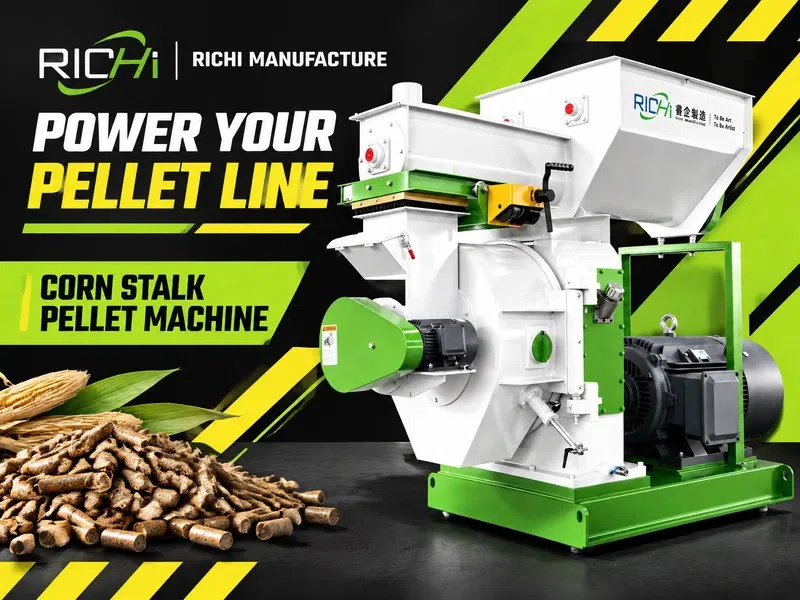
A Quotation Should Define the Machine
The basic equipment description should identify the model, rated capacity, motor power, pellet diameter range, and major configuration.
These details establish what the buyer is actually being offered.
A vague quotation can create problems later because the customer may assume that certain components are included when they are not.
Clear technical information helps both sides establish the same expectations.
Capacity Needs Context
Capacity figures should be understood in relation to raw material conditions. Agricultural residues can behave differently depending on moisture, particle size, preparation method, and formulation.
A manufacturer should therefore be able to explain the conditions associated with its capacity estimate.
When comparing straw pellet machine price, buyers should avoid assuming that two identical capacity numbers represent exactly the same production conditions.
Check the Equipment Scope
A quotation for a standalone pellet machine is different from a quotation for a complete production system.
A full pellet project may involve raw material handling, crushing, drying, conveying, pelletizing, cooling, screening, storage, and packaging.
If one supplier includes several of these components while another quotes only the main press, the final prices will naturally be very different.
He has a good point if he recommends checking the complete equipment scope before deciding which quotation is cheaper.
Electrical and Control Systems
Control equipment can also influence the project scope. A basic setup may require more manual operation, while a larger factory may use centralized control.
The quotation should clarify what electrical equipment is supplied and whether control cabinets, sensors, wiring, and other components are included.
This is particularly important for international projects where local electrical standards may differ.
Installation and Commissioning
Equipment does not create value until it is installed and operating properly.
Depending on the project, technical support may include installation instructions, remote assistance, commissioning guidance, or on-site engineering services.
The quotation should make clear what type of installation support is included and what responsibilities remain with the customer.
Spare Parts
A professional quotation may also identify recommended spare parts for initial operation.
Wear components such as dies, rollers, bearings, and other mechanical parts eventually require inspection or replacement.
Having appropriate parts available can help reduce production interruptions.
Delivery and Packaging
For exported equipment, transportation and packaging are also important. Machinery needs to be prepared for handling during loading, shipping, unloading, and installation.
Buyers should understand the delivery terms and determine which logistics costs are included in the quoted amount.
This prevents unexpected expenses from appearing after the equipment order has been placed.
Comparing Complete Project Value
The best quotation is not necessarily the cheapest one. A better approach is to compare the equipment scope, technical specifications, support services, spare parts, delivery conditions, and expected operating requirements.
A complete pellet production line quotation can be especially useful when the customer is planning a new factory because it presents the project as an integrated system.
The more clearly a manufacturer defines its offer, the easier it becomes for the customer to make a fair comparison.