Why Bulk Density Deserves Attention
Bulk density describes the mass of material occupying a given volume, including the spaces between particles. In manure processing, it can vary with moisture, fiber content, particle size, and the degree of compaction. Two batches with similar weights may occupy different volumes and behave differently in storage bins, conveyors, and feeders.
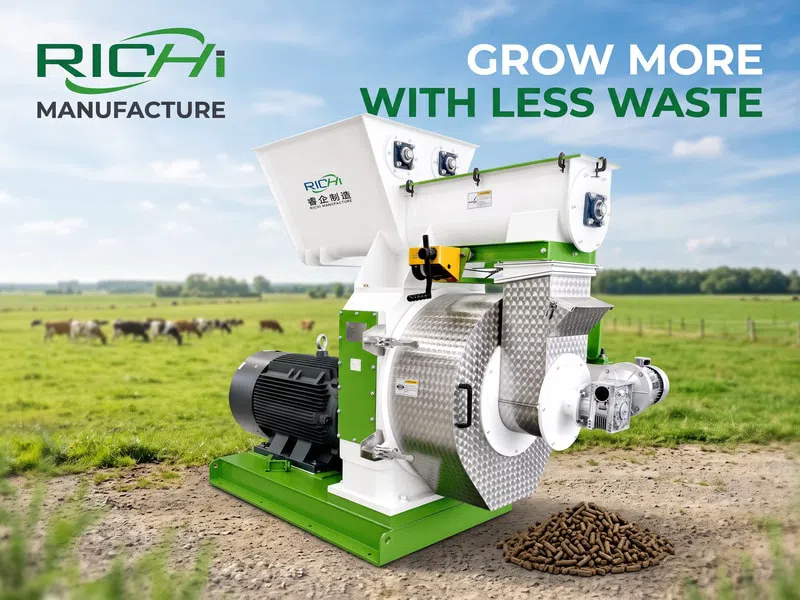
A cow manure granulation machine is only one part of a material-handling system. If bulk density changes substantially, the feeding equipment may deliver a different mass flow even when its settings remain unchanged. This can affect production stability and make capacity planning less reliable.
Measure the Material Before Designing Storage
Storage volume should not be estimated from weight alone. A facility handling light, fibrous material may need substantially more storage space than one processing a denser feedstock of the same mass. For preliminary planning, measure a representative volume using a repeatable procedure and record the material condition at the time of measurement.
Bulk density measurements should include enough samples to capture normal variation. Material from different deliveries, preparation stages, or storage periods may show different results. The figures should therefore be treated as practical design inputs rather than permanent properties of cow manure.
Account for Changes During Preparation
Grinding, mixing, drying, and biological treatment can change the physical structure of the feed. Breaking long fibers into shorter particles may allow material to pack differently, while moisture changes can alter both weight and flow behavior. The direction and magnitude of these changes depend on the material and process.
Operators should avoid assuming that a bulk-density result measured at receiving will accurately represent material at the granulator inlet. Where the difference matters, measure the prepared feed separately and use that information to review feeder capacity and storage arrangements.
Connect Bulk Density with Feeding Performance
A feeder set to deliver a particular volume per minute may not deliver a constant mass when bulk density changes. This matters when production settings, recipes, or throughput targets are based on mass flow. Where possible, verify the relationship between feeder settings and actual mass delivery using a controlled measurement.
When comparing an organic fertilizer pellet machine price, buyers should also consider the equipment needed to maintain stable feeding. A lower-priced granulator may not provide the best overall value if the project requires substantial additional work to handle variable-density material.
Plan for the Complete Material Route
Receiving hoppers, storage bins, conveyors, mixers, and feeders should be assessed as a connected system. Sudden changes in cross-section, poorly designed transitions, or unsuitable hopper geometry may create bridging or inconsistent flow. These problems can become more frequent when material contains long fibers or has variable moisture.
The design should provide safe access for inspection and cleaning. Operators should never attempt to clear a blocked hopper or conveyor while equipment is running or without following the site's isolation procedures.
Turn Measurements into Better Decisions
Record bulk density alongside moisture, preparation settings, feeder output, and production rate. If a line experiences repeated feeding variation, these records can help determine whether the cause is related to material properties, equipment condition, or control settings.
read relevant technical references to understand the measurement methods available, then select a procedure appropriate for the facility and use it consistently. The most valuable result is one that can be repeated and connected to operational decisions.
Evaluate the System Beyond One Machine
Bulk density affects receiving, transport, storage, preparation, and granulation. It should therefore be considered during equipment selection and layout planning rather than addressed only after commissioning.
A suitable pellet making machine must work with the prepared material and the feeding arrangement supplying it. When the plant measures density at important process stages and designs its material route accordingly, it can improve flow stability, use storage space more effectively, and make capacity estimates more realistic.