A new cat litter factory requires more than selecting a main processing machine. The project must coordinate raw-material receiving, preparation, processing, screening, packaging, storage, utilities, and quality control. A complete plan helps the business understand the investment and identify potential constraints before installation begins.
When assessing pine horse bedding for cat litter, manufacturers should first verify the material's suitability and define the target product. These decisions affect the required equipment, the layout, and the operating procedures for the facility.
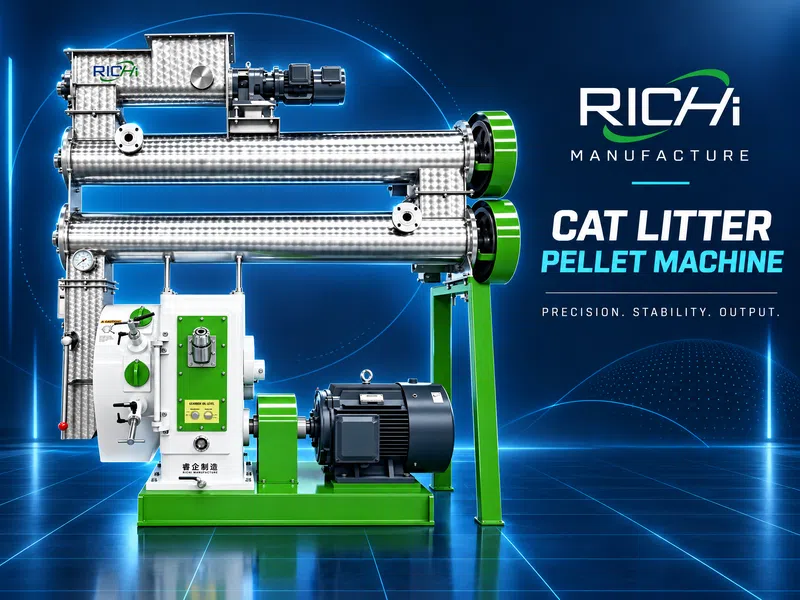
Establish Project Requirements
The project specification should define the intended raw material, finished-product characteristics, expected production volume, package formats, and operating schedule. The buyer should also describe the available building, utility supply, labor resources, and expected distribution method.
These details help the equipment supplier prepare a configuration suited to the project rather than offering a generic equipment list. If the material or product specification is still uncertain, testing should be completed before the final machinery configuration is approved.
The business should distinguish current requirements from possible future expansion. Planning for reasonable growth may be beneficial, but adding unnecessary capacity can increase initial investment and operating complexity.
Design the Material Flow
The layout should provide a logical route from incoming material to finished goods. Unnecessary backtracking and repeated transfers can increase handling time, complicate housekeeping, and make the production area harder to manage.
Raw-material storage should be accessible to the preparation stage, while finished products should move toward inspection, packaging, and dispatch. The layout must also provide sufficient space for maintenance, cleaning, and safe movement around the equipment.
The proposed arrangement should be reviewed with the people responsible for operating and maintaining the factory. Their practical experience may reveal access problems or workflow conflicts that are not obvious from a simple equipment diagram.
Select the Necessary Equipment Stages
The exact process depends on the material and the product design. A pine-based project may require inspection, screening, size reduction, controlled feeding, processing, and final separation, but the need for each stage should be confirmed through material evaluation.
A turnkey cat litter plant solution can simplify project coordination when the supplier clearly defines the equipment and services included. However, the term does not automatically mean that every building modification, utility connection, safety system, or external service is covered.
The buyer should request a detailed scope showing the machinery, controls, conveying equipment, packaging arrangements, and any optional components. Responsibilities for installation, commissioning, training, and maintenance should also be documented.
Confirm Utilities and Supporting Systems
The facility plan should account for electrical supply, lighting, ventilation, material handling, dust management, and any other services required by the selected equipment. Utility requirements should be confirmed from the technical specifications rather than estimated from the main machine alone.
Supporting systems should be integrated into the layout early. Adding them after the equipment has been installed may create unnecessary costs or restrict access.
Safety requirements should be assessed by qualified professionals familiar with the equipment and material. The final arrangement should provide appropriate access, guarding, emergency procedures, and maintenance conditions.
Plan Commissioning and Trial Production
Commissioning verifies that the equipment has been installed and connected correctly. Trial production then helps determine whether the process can operate under realistic conditions and produce material that meets the defined specification.
The factory should agree on the trial procedure in advance. It should specify the feedstock, expected operating conditions, sampling method, product measurements, and the way results will be recorded.
If the trial reveals problems, the project team should identify their causes and agree on corrective actions. Changes to the equipment, operating procedure, or product specification should be documented before routine production begins.
Review Suppliers and Project Responsibilities
Buyers can review relevant information right here before requesting a project-specific proposal. The supplier should explain the recommended process and identify which items are included, optional, or expected to be supplied by the customer.
Richi manufacture can serve as a starting point for researching cat litter machinery and production-line configurations. Buyers should independently verify technical suitability, project scope, delivery arrangements, and support commitments before placing an order.
The final contract should make responsibilities clear and identify the documents required at delivery, including manuals, maintenance instructions, and spare-part information.
Conclusion
A well-planned facility coordinates material flow, equipment, utilities, safety, packaging, and commissioning from the beginning. For pine-based cat litter, material suitability must be established before the process is finalized. Clear specifications and documented supplier responsibilities help reduce uncertainty and support a more orderly installation.