Feed manufacturers often produce several formulas using the same production line. A factory may change from broiler feed to layer feed, or from one livestock formula to another, according to customer demand. Each changeover requires attention because ingredients, product specifications, and processing settings may differ. Without a clear procedure, residual material from the previous batch can enter the next product and affect its intended composition.
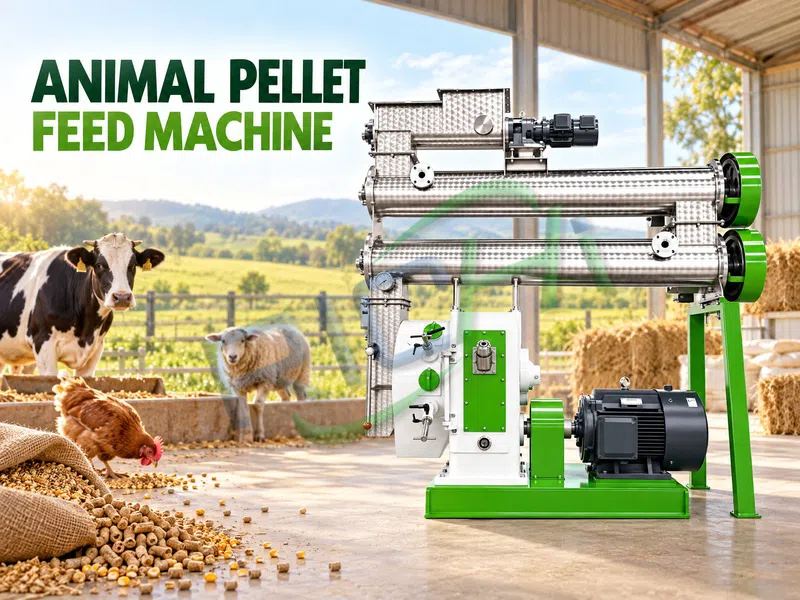
An animal pellet feed machine may process different formulas during the same working day, provided that its configuration is suitable for the products. However, the factory must manage the transition between batches. Material remaining in the feeder, conditioner, compression chamber, conveyors, or connected equipment may be carried into the next production run if the changeover is not properly controlled.
A chicken feed production plant should begin by establishing a production schedule. Where practical, products with similar ingredients or processing requirements can be arranged in a logical sequence. This may reduce the frequency of major cleaning operations and unnecessary material losses. The schedule should still follow customer delivery requirements and the factory's quality management procedures.
The production team should identify which ingredients and products require special handling. Some formulas may contain specific additives or ingredients that should not be unintentionally transferred into another product. The factory should determine where carryover may occur and establish appropriate cleaning or flushing procedures according to the product requirements.
Equipment cleaning should be based on actual design and access conditions. Mixers, bins, conveyors, feeders, and other components may contain residual material in corners, discharge openings, or internal surfaces. Operators should understand which areas require inspection and how to clean them safely. Cleaning procedures should be documented rather than relying only on individual experience.
Flushing material may be used in certain production arrangements to help move residual material through the system. However, the factory must decide how that material will be identified and handled. It should not automatically be treated as finished product if its composition cannot be confirmed. The procedure should comply with applicable feed safety and quality requirements.
Batch identification is important during changeovers. Operators should record the previous product, the next product, the time of change, and the relevant cleaning or flushing activity. This information helps the factory trace production if a customer raises a quality concern. Clear identification also reduces the risk of packaging or labeling the wrong product.
The equipment settings may need adjustment when the factory changes product dimensions or formulas. Die specifications, cutting arrangements, feeding rates, and conditioning parameters may differ between products. The production team should use approved operating procedures for each product and confirm that the machine is ready before starting the next batch.
The factory should also consider how changeovers affect actual output. Time spent stopping, cleaning, adjusting, and restarting equipment reduces the hours available for production. These periods should be included when calculating daily capacity. A line that appears to have sufficient hourly output may still struggle to meet demand if product changes are frequent and time-consuming.
Communication between departments is essential. Production planning, warehouse staff, quality personnel, and machine operators should work from the same schedule. The warehouse needs to prepare the correct ingredients, while production operators need accurate formula and machine instructions. Quality personnel may need to verify cleaning or product identification before the next batch begins.
Some manufacturers use a production management or control system to coordinate batch information. Such systems can help identify the formula being produced, record ingredient quantities, and reduce manual data entry. However, software cannot replace clear operating procedures or appropriate employee training. The system should be configured around the factory's actual workflow.
Manufacturers can read more about production automation, but they should also review how the proposed equipment supports cleaning and changeover.
A suitable pelletizer should be considered together with the access and process arrangements needed for the full product range.
Effective changeover management combines scheduling, cleaning, equipment adjustment, traceability, and communication. When these activities are planned as part of normal production, factories can reduce avoidable delays and maintain better control over products manufactured on shared equipment.