How to Estimate the Machinery Budget for a Chicken Feed Production Project
Investing in a feed factory requires more than calculating the purchase cost of one pellet mill. The complete project may involve raw material storage, cleaning, grinding, batching, mixing, pelleting, cooling, screening, packaging, electrical controls, and material handling. Each section contributes to the overall machinery budget, and the relationship between equipment capacities can affect how much the investor needs to spend.
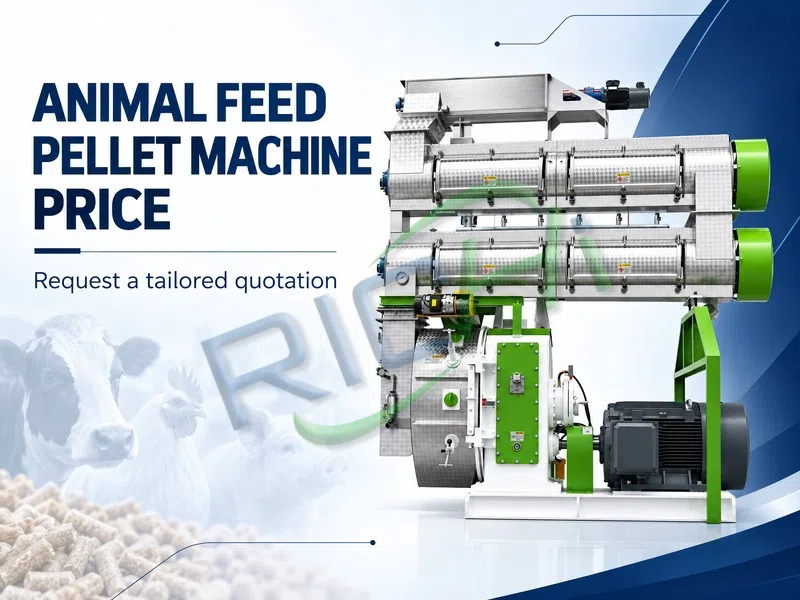
The animal feed pellet machine price is an important part of this calculation, but it should not be treated as the total equipment investment. Buyers need to understand the full production process before requesting quotations.
Define the Required Production Capacity
The first step is to establish the expected output of the factory. Investors should estimate daily feed demand, operating shifts, production days per year, and the types of products they intend to manufacture.
A 0.5-120T/H chicken feed production line covers a broad range of production requirements, from relatively small facilities to large industrial operations. Different capacities require different arrangements for raw material handling, storage, batching, conveying, and finished product packaging.
A small project may use compact bins and relatively simple material transfer equipment. A larger factory may require multiple silos, automatic weighing systems, centralized controls, and more extensive conveying routes.
Calculate the Required Hourly Output
Daily demand should be converted into an hourly production target according to the actual operating schedule. A factory expected to produce a certain quantity within one shift needs a different hourly capacity from a facility operating continuously.
Investors should also allow reasonable time for startup, shutdown, cleaning, product changes, and maintenance. Calculating capacity without considering these periods may result in an unrealistic equipment plan.
The production target should be confirmed before selecting the pellet mill and its supporting equipment.
Divide the Factory Into Processing Sections
A practical machinery budget begins with a process flow. Raw material receiving and cleaning form the first section. Ingredients are then sent to grinding, batching, and mixing before entering the pelleting section.
After pellet formation, products generally pass through cooling and screening. Depending on the required product form, crumbling may also be necessary. The finished feed is then transferred to storage or packaging.
Investors can you can look here to review the equipment arrangement of different processing sections and understand why a complete line contains more than one main machine.
Raw Material Receiving and Cleaning
The receiving section may include steel silos, conveyors, elevators, precleaners, and dust collection equipment. The configuration depends on whether ingredients arrive in bulk or bags and how much storage capacity the factory requires.
Cleaning equipment removes unwanted impurities before materials enter the grinding system. This protects downstream machinery and helps maintain raw material quality.
The number of storage bins and their capacities should be determined by ingredient consumption, purchasing frequency, and the expected production schedule.
Estimate the Cost of Grinding and Mixing Equipment
The grinding section generally includes hammer mills, feeding devices, and material conveying equipment. The required configuration depends on the number of ingredients, particle size specifications, and hourly throughput.
The batching system needs suitable weighing equipment and controls to manage the feed formula. A mixer should provide sufficient working capacity and mixing uniformity for the required production batches.
A larger factory may require multiple batching scales or mixers to coordinate different ingredient flows. However, purchasing too many machines can unnecessarily increase the investment.
Calculate the Pelleting Section Separately
The pellet mill is one of the main machines in the production process. Its model should be selected according to the target output, material characteristics, and pellet diameter.
The quotation should identify the main motor, feeder, conditioner, ring die, rollers, and other included components. Buyers should also confirm whether different pellet sizes require additional dies.
The conditioning arrangement is another important consideration. Steam supply, conditioner dimensions, and operating controls influence the configuration of the pelleting section.
Include Cooling and Finished Product Handling
Fresh pellets need to be cooled before storage or packaging. A cooler should have sufficient capacity for the actual pellet mill output.
If the factory produces crumbled feed, a crumbler may be required after cooling. Screening equipment separates acceptable products from fines and oversized particles according to the production arrangement.
The packaging section may include automatic weighing, bag filling, sewing, and conveying equipment. Its capacity should match the expected finished feed output.
Consider Building and Utility Requirements
Machinery investment is only one part of project planning. The workshop needs suitable foundations, building height, electrical connections, steam supply, ventilation, dust collection, and maintenance access.
The layout can influence the number of elevators, conveyors, and transfer points required. A compact arrangement may reduce unnecessary material movement, but equipment should still have sufficient space for inspection and replacement of wearing parts.
Investors should distinguish between machinery costs and civil construction or utility expenses when preparing the budget.
Prepare a Detailed Supplier Quotation
Richi manufacture provides animal feed pellet mills and complete chicken feed production equipment. Project configurations can be developed according to production capacity, raw materials, finished product specifications, and workshop conditions.
When requesting a quotation, investors should provide as much technical information as possible. A detailed equipment list helps clarify which machines are included and which supporting facilities need to be prepared separately.
Build a Realistic Investment Plan
A reliable machinery budget should include equipment purchase, transportation, installation, commissioning, spare parts, and necessary supporting systems. It should also allow for reasonable contingencies during project implementation.
Rather than selecting machines individually based only on their lowest quotations, investors should evaluate whether the proposed equipment works together as a coordinated production system.
This approach provides a clearer understanding of the actual project investment and helps avoid unexpected costs during installation and operation.