Transforming Agricultural Residues Into Valuable Biomass Products
Agricultural waste management has become a major concern for many farming regions. Every year, large quantities of peanut shells are generated during peanut harvesting and food processing. Without effective utilization, these residues may create storage difficulties and increase environmental pressure.
With the development of renewable energy technologies, agricultural by-products are gaining new economic value. Instead of being treated as unwanted waste, peanut shells can be processed into biomass fuel pellets that provide an alternative energy source for various industries.
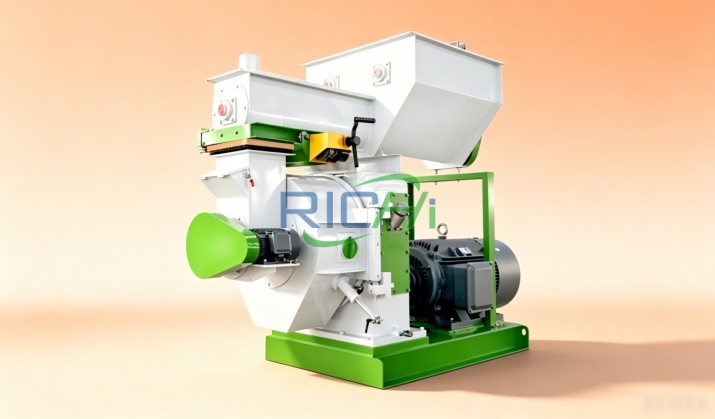
A reliable peanut shell pellet mill is designed to convert loose peanut shells into compact and uniform biomass pellets. Through mechanical compression, the equipment improves material density, enhances transportation efficiency, and creates fuel products with better combustion performance.
This process not only reduces agricultural waste but also supports sustainable resource utilization. By connecting agricultural production with renewable energy development, peanut shell pellet projects are creating new business opportunities for farmers, processors, and energy companies.
Why Peanut Shell Biomass Has Strong Market Potential
The demand for renewable energy has increased as industries search for cleaner alternatives to traditional fuels. Biomass resources such as peanut shells are attracting attention because they are renewable, widely available, and suitable for energy applications.
Peanut shell pellets offer several advantages:
Utilizing Local Agricultural Resources
Peanut cultivation is common in many countries, creating a continuous supply of shell residues. Local availability reduces transportation costs and improves the feasibility of biomass projects.
Improving Fuel Handling Efficiency
Raw peanut shells are lightweight and difficult to transport. Pelletizing increases density and creates standardized fuel units that are easier to store and distribute.
Supporting Cleaner Energy Applications
Biomass pellets can be used in industrial boilers, heating systems, and other energy applications, helping reduce dependence on conventional fuels.
Creating Additional Revenue Streams
Agricultural processors can transform waste materials into commercial products instead of paying for disposal.
These advantages make peanut shell pellet production an attractive investment direction for businesses interested in renewable energy.
How Advanced Pelletizing Technology Improves Production
Producing high-quality peanut shell pellets requires proper processing technology. A complete biomass pellet production system usually includes several important stages.
The first stage is raw material preparation. Peanut shells must be collected, cleaned, and processed to remove unwanted materials.
The second stage is size reduction. Crushing the shells into suitable particles improves material flow and pellet formation.
The third stage is moisture adjustment. Proper moisture levels help improve pellet strength and reduce production problems.
The final pelletizing stage uses mechanical pressure to compress biomass materials into dense pellets. A high-performance system ensures stable operation and consistent product quality.
For businesses planning biomass fuel production projects, production capacity should be carefully considered. A 2-3 T/H rice husk pellet plant for sale can provide a reference for companies evaluating medium-scale agricultural residue processing. Similar production concepts can be applied to peanut shells with adjustments based on material characteristics.
Selecting Suitable Equipment for Long-Term Operation
The success of a biomass pellet project depends heavily on equipment reliability. Choosing the right machinery can improve productivity, reduce maintenance costs, and increase investment returns.
Important factors to consider include:
- Raw material characteristics
- Expected output capacity
- Energy consumption
- Equipment durability
- Technical support availability
Different agricultural residues have different processing requirements. Professional manufacturers can customize solutions according to customer needs.
Experienced companies such as Richi Pellet Mill provide biomass processing solutions for various agricultural materials. Their technical knowledge helps customers select suitable equipment configurations and build efficient production systems.
A professional equipment partner can also provide guidance on installation, operation training, and maintenance planning.
Biomass Pellet Production and Sustainable Development
The utilization of peanut shells reflects a growing trend toward sustainable production models. Modern industries are focusing on maximizing resource value while minimizing waste.
By converting peanut shells into biomass pellets, businesses can achieve multiple benefits:
- Reduce agricultural waste accumulation
- Improve resource utilization efficiency
- Develop renewable energy products
- Support environmental protection goals
This approach is especially valuable in agricultural regions where large amounts of biomass residues are available.
The development of biomass energy also creates stronger connections between farming, manufacturing, and energy industries, forming a more sustainable economic cycle.
Future Trends in Peanut Shell Pellet Applications
The biomass pellet market continues to expand as more industries seek renewable fuel options. Future developments will focus on improving production automation, reducing energy consumption, and enhancing pellet quality.
Advanced pelletizing systems will allow manufacturers to process a wider range of agricultural residues and develop more competitive biomass products.
Businesses exploring biomass processing opportunities can top article to learn more about current industry trends, production methods, and equipment applications.
As renewable energy adoption increases worldwide, peanut shell pellets will continue gaining importance as an efficient and environmentally friendly fuel source.
Conclusion
Peanut shell pellet mills provide an effective solution for converting agricultural waste into valuable biomass energy products. Through advanced processing technology, businesses can improve resource utilization, reduce waste, and create new economic opportunities.
(Related Post: https://biomasspelletizer.com/rice-straw-pellet-machine/)
With reliable equipment, professional planning, and growing demand for renewable fuels, peanut shell pellet production has strong potential in the future biomass energy market. Agricultural residues that were once considered waste can now become important resources supporting sustainable development.