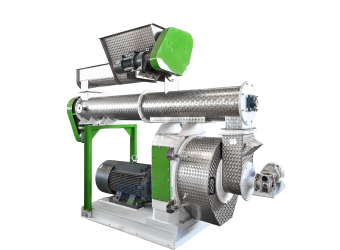
As the global demand for renewable energy and sustainable raw materials continues to increase, manufacturers are searching for biomass resources that combine high availability, excellent fuel characteristics, and environmental benefits. Among the many available feedstocks, hemp has attracted growing attention because of its rapid growth cycle, high fiber content, and impressive biomass yield.Unlike traditional wood resources that require many years to mature, industrial hemp can be harvested within a single growing season. After harvesting, large quantities of stalks and other plant residues remain available for industrial processing. Instead of being discarded or burned in the field, these materials can be transformed into valuable biomass pellets that serve as renewable fuel for residential, commercial, and industrial applications.To achieve efficient processing, manufacturers must choose suitable equipment capable of handling the unique characteristics of hemp fibers. A reliable hemp pellet machine allows producers to compress processed hemp materials into dense, durable pellets while maintaining stable production efficiency and reducing overall operating costs.Why Hemp Has Become an Attractive Biomass Resource
Hemp cultivation has expanded rapidly in many regions because it offers both agricultural and industrial advantages.
Compared with many traditional biomass materials, hemp provides several benefits:Fast annual growth
High dry matter yield
Strong fiber structure
Low environmental impact
Wide industrial applications
After fiber extraction or seed harvesting, the remaining stalks still contain significant energy value. Processing these residues into biomass pellets creates additional revenue while reducing agricultural waste.Preparing Hemp Before Pelletizing
Successful pellet production begins long before the material reaches the pellet mill.Proper raw material preparation generally includes several stages.Size Reduction
Large hemp stalks must first be crushed into uniform particles that are suitable for pelletizing.Moisture Adjustment
Fresh hemp often contains moisture levels higher than those required for pellet production.Drying helps improve compression efficiency and pellet quality.Screening
Oversized particles and impurities should be removed to ensure consistent feeding.Temporary Storage
Prepared raw materials should be stored in a dry environment before entering the pelletizing process.Careful preparation helps reduce equipment wear while improving production stability.Why Moisture Control Is Important
Moisture directly influences pellet quality.If hemp contains excessive moisture, several problems may occur:Reduced production capacity
Poor pellet density
Increased energy consumption
Higher equipment wear
Unstable pellet dimensions
On the other hand, material that is too dry may generate excessive dust and reduce pellet durability.Maintaining proper moisture content allows the pelletizing process to operate more efficiently while producing stronger finished pellets.Applications of Hemp Pellets
Hemp pellets are used in a variety of industries.Renewable Fuel
One of the largest applications is biomass energy production.Pellets provide a cleaner alternative to coal and other fossil fuels while utilizing renewable agricultural resources.Industrial Heating
Factories and commercial facilities increasingly use biomass pellets to reduce carbon emissions and lower heating costs.Animal Bedding
Processed hemp pellets can also be used as absorbent bedding materials for livestock.Agricultural Applications
Pelletized biomass may be incorporated into composting and soil improvement programs.These diverse applications help increase the commercial value of hemp cultivation.Choosing the Right Pelletizing Equipment
Different biomass materials require different pelletizing solutions.When selecting equipment, manufacturers should evaluate:Material Characteristics
Fiber length, density, and moisture all affect pelletizing performance.Production Capacity
Equipment should match both current production requirements and future expansion plans.Energy Consumption
Efficient equipment reduces operating costs while maintaining high throughput.Automation
Automatic control systems improve consistency and reduce manual labor.Careful equipment selection helps improve long-term profitability.Biomass Processing and Feed Manufacturing Share Similar Principles
Although biomass fuel and animal feed are different products, both industries rely on efficient raw material preparation and stable pelletizing technology.For example, companies planning a livestock feed pellet machine for cattle and sheep project also emphasize uniform particle size, controlled moisture, and reliable pellet quality. These same production principles are equally important when manufacturing biomass fuel pellets from hemp or other agricultural materials.Understanding these similarities allows manufacturers to optimize equipment selection and improve overall production efficiency.Building an Efficient Pellet Production Line
A complete hemp pellet production line generally includes:Raw material receiving
Crushing
Drying
Storage
Pelletizing
Cooling
Screening
Automatic packaging
Every stage contributes to product quality.A high-performance pellet press operating with properly prepared hemp material can produce dense, durable pellets while maintaining continuous industrial production.Integrating all processing stages into one coordinated production system helps reduce downtime, improve productivity, and lower operating costs.Future Trends in Hemp Pellet Manufacturing
Growing interest in renewable energy is expected to drive further investment in hemp biomass processing.Future developments include:Intelligent production control
Automated moisture monitoring
Energy-efficient pelletizing technology
Digital factory management
Higher-capacity production lines
Lower carbon emissions
These innovations will make hemp pellet manufacturing more competitive while supporting sustainable industrial development.Conclusion
Industrial hemp is rapidly becoming one of the most valuable renewable biomass resources available today. Its fast growth, abundant residue, and excellent fuel characteristics make it well suited for pellet production.By combining proper raw material preparation with reliable pelletizing technology, manufacturers can improve product quality, increase production efficiency, and create additional value from agricultural residues.As demand for renewable fuels continues to grow, hemp pellet production will play an increasingly important role in the global biomass industry. Readers interested in learning more about equipment technologies, processing solutions, and industry developments can visit blog here for additional technical resources and professional insights.
Related Post: https://pelletizerequipment.com/livestock-feed-production-line/