Introduction
Malaysia has a strong agricultural and plantation industry, especially in palm oil production. Every year, large amounts of biomass residues are generated during palm oil processing, including empty fruit bunches, palm fiber, palm kernel shells, and other agricultural by-products.
Although these materials are renewable resources, improper handling can create environmental challenges. With the development of biomass energy technology, more companies are exploring ways to convert palm waste into valuable fuel pellets.
Pellet production provides an efficient solution by compressing loose biomass materials into dense, easy-to-transport products. Biomass pellets can be used for industrial boilers, renewable energy projects, and various heating applications.
For businesses planning biomass projects in Southeast Asia, selecting suitable pellet machine malaysia equipment is essential. A properly designed pellet production system can help companies transform local agricultural waste into profitable renewable energy products while improving resource utilization.
Why Is Malaysia Suitable for Biomass Pellet Production?
Malaysia has several advantages for developing biomass pellet industries.
Abundant Palm Oil Resources
Malaysia is one of the major palm oil-producing countries, generating large quantities of biomass residues every year.
Common palm waste materials include:
- Empty fruit bunches (EFB)
- Palm fiber
- Palm kernel shells
- Palm plantation residues
These materials are continuously available and provide a stable raw material source for pellet production.
Growing Renewable Energy Demand
Businesses and governments are increasingly focusing on sustainable energy solutions.
Biomass pellets provide advantages such as:
- Renewable fuel production
- Reduced agricultural waste
- Easier transportation
- Better storage performance
They can replace part of traditional fossil fuel consumption in industrial applications.
Supporting Circular Economy Development
Palm waste pellet production creates additional value from agricultural by-products.
Instead of treating residues as waste, companies can:
- Collect biomass materials
- Process them into pellets
- Supply renewable fuel markets
This improves resource efficiency and creates new business opportunities.
What Biomass Materials Can Be Used in Malaysia?
Malaysia has diverse biomass resources suitable for pellet production.
Empty Fruit Bunches (EFB)
EFB is one of the most important palm oil processing residues.
However, EFB usually requires special preparation because of:
- High fiber content
- Irregular structure
- Higher moisture levels
Proper drying and crushing are necessary before pelletizing.
Palm Fiber and Palm Kernel Shells
These materials have good energy potential.
Advantages include:
- High availability
- Suitable combustion characteristics
- Renewable origin
They are widely considered valuable biomass fuel resources.
Other Agricultural Residues
Malaysia also produces:
- Rice husks
- Coconut residues
- Wood processing waste
- Bamboo waste
These materials can also be processed into biomass pellets.
How Does a Biomass Pellet Production Process Work?
A complete biomass pellet production system includes several stages.
Raw Material Collection and Preparation
The first step is preparing biomass materials.
Depending on the raw material, this may include:
- Cleaning
- Crushing
- Drying
- Screening
Proper preparation improves pellet quality and machine performance.
Moisture Adjustment
Moisture control is critical for biomass pellet production.
Materials with excessive moisture may cause:
- Poor pellet forming
- Higher energy consumption
- Lower production efficiency
A suitable drying system helps maintain stable operation.
Pelletizing Process
The pelletizing section compresses prepared biomass into compact pellets.
During operation:
- Biomass enters the pellet chamber
- Rollers apply pressure
- Materials pass through die holes
- Uniform pellets are produced
The pressure and temperature help improve pellet density and durability.
Producing Fuel Pellets From Palm Waste
For palm oil processing companies, converting waste into energy products can create additional value.
An efb pellet machine for palm waste is designed to process empty fruit bunches and other palm residues into biomass fuel pellets.
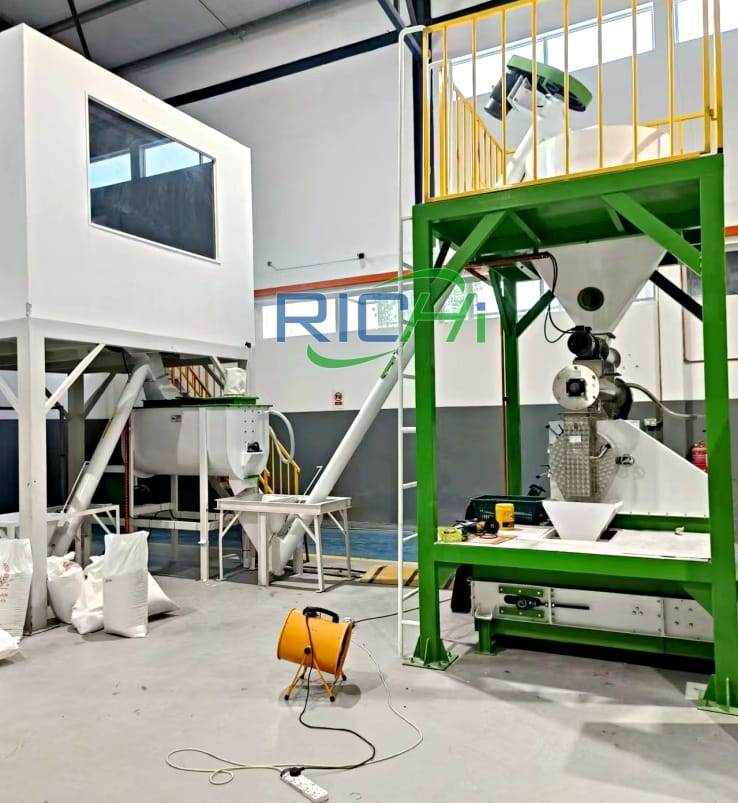
A complete EFB pellet production system may include:
- EFB shredding equipment
- Drying system
- Crushing equipment
- Pelletizing machine
- Cooling system
- Screening equipment
- Packaging system
This type of project helps palm mills reduce waste management costs while developing new revenue opportunities.
Advantages of Modern Malaysia Biomass Pellet Equipment
Strong Adaptability to Tropical Conditions
Malaysia has a hot and humid climate, which creates special requirements for biomass processing equipment.
Professional pellet systems should consider:
- Moisture control
- Corrosion resistance
- Continuous operation capability
Efficient Waste Utilization
Modern pellet technology allows businesses to transform agricultural residues into valuable products.
Benefits include:
- Reduced waste
- Improved resource utilization
- Additional income sources
Stable Pellet Quality
Advanced equipment helps produce pellets with:
- Uniform size
- Good density
- Strong durability
This improves transportation and storage performance.
How to Choose the Right Pellet Machine in Malaysia?
Selecting suitable equipment requires considering several factors.
Raw Material Characteristics
Different materials require different solutions.
For example:
EFB Materials
Require:
- Strong crushing ability
- Fiber processing capability
- Moisture management
Wood Materials
Require:
- Proper particle size
- Stable feeding
- Suitable compression conditions
Production Capacity
Businesses should choose capacity based on:
- Available biomass supply
- Market demand
- Investment plans
Small projects may use standalone machines, while larger businesses may require complete production lines.
Final Product Application
Different markets require different pellet standards.
Fuel pellets usually focus on:
- High density
- Low moisture
- Good combustion performance
Building a Commercial Biomass Pellet Project in Malaysia
A successful pellet project requires careful planning.
Factory Location
Important factors include:
- Distance from raw materials
- Transportation conditions
- Electricity availability
Locating near palm mills can reduce logistics costs.
Equipment Configuration
A complete biomass pellet plant may include:
- Raw material handling
- Crushing section
- Drying system
- Pelletizing section
- Cooling and packaging
The configuration should match the raw material and production goals.
Professional Technical Support
Experienced suppliers can provide:
- Project design
- Equipment installation
- Operator training
- Maintenance guidance
A reliable supplier can help customers avoid common production problems.
Future Development of Malaysia Biomass Pellet Industry
The biomass pellet market in Malaysia has strong growth potential.
More Palm Waste Utilization
More palm oil companies are expected to explore ways to convert waste into energy products.
Increasing Automation
Future production systems will include:
- Automatic control
- Intelligent monitoring
- Improved energy management
Expansion of Renewable Fuel Markets
Biomass pellets may serve:
- Industrial energy users
- Export markets
- Renewable fuel suppliers
Conclusion
Malaysia’s abundant palm biomass resources create excellent opportunities for pellet production businesses.
By converting EFB, palm fiber, and other agricultural residues into renewable fuel pellets, companies can reduce waste and create additional economic value.
Choosing the right pellet machine configuration is essential for achieving stable production and long-term success.
With professional biomass processing technology, Malaysian businesses can develop efficient pellet projects that support renewable energy development and sustainable resource utilization.
For additional technical information about biomass pellet applications and production solutions, you can explanation for more industry insights.
Related Post: https://pelletizerequipment.com/sunflower-shell-pellet-machine/