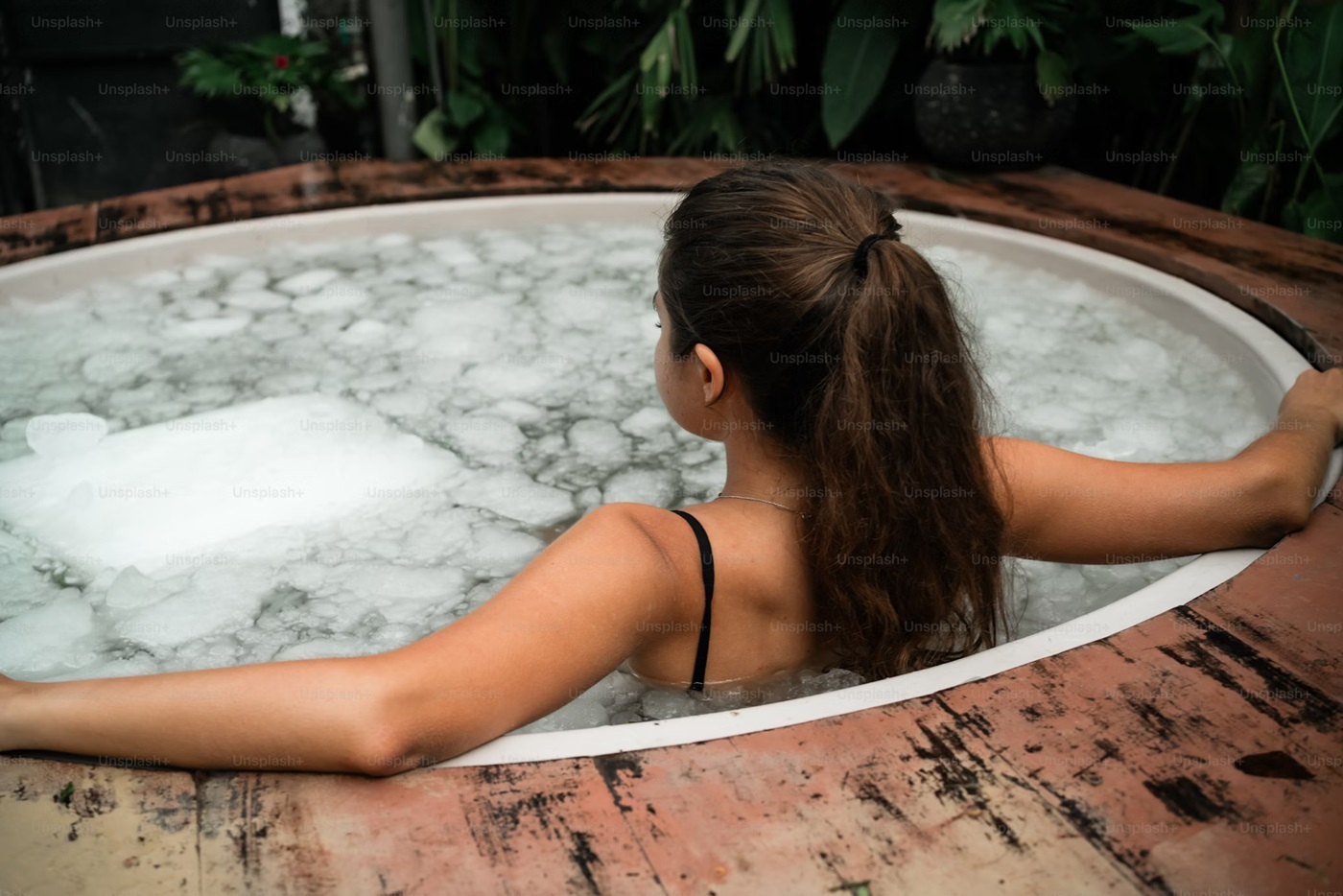
In recent years, cold therapy—also known as cold exposure or cold water immersion—has become one of the fastest-growing trends in the wellness industry. From athletes taking ice baths after intense workouts to wellness enthusiasts ending their showers with cold water, this practice has gained popularity for its potential physical and mental health benefits. Social media, fitness influencers, and wellness brands have all played a role in bringing cold therapy into mainstream routines. But beyond the trend, there are several reasons why more people are incorporating cold exposure into their daily wellness habits.
The Science Behind Cold Therapy
Cold therapy involves exposing the body to cold temperatures through methods such as ice baths, cold plunges, cold showers, or cryotherapy. When the body encounters cold water or air, it triggers several physiological responses. Blood vessels constrict, heart rate increases, and the body activates mechanisms to maintain its core temperature.
These responses can lead to potential health benefits. For example, cold exposure reduces blood flow to inflamed or injured areas, which can help decrease swelling and pain. It may also help lower muscle soreness after intense exercise.
Cold water immersion typically involves temperatures between 10°C and 15°C for around 10–15 minutes, which has been shown to improve recovery and reduce delayed onset muscle soreness compared to passive rest.
A Popular Tool for Athletic Recovery
One of the main reasons cold therapy is trending is its strong connection to sports recovery. Professional athletes have used ice baths for decades to speed up recovery after demanding training sessions or competitions.
Cold water immersion can help reduce swelling in stressed muscles and promote faster recovery within the first 24 hours after exercise. This makes it particularly appealing for athletes, fitness enthusiasts, and people who train frequently.
By constricting blood vessels and slowing metabolic activity in tissues, cold therapy may limit inflammation and reduce muscle fatigue. As a result, athletes often feel less soreness and can return to training sooner.
Mental Health and Mood Benefits
Beyond physical recovery, cold therapy is also gaining attention for its potential mental health benefits. Cold exposure activates the nervous system and stimulates the release of hormones and neurotransmitters such as dopamine and endorphins, which can enhance mood and increase alertness.
Some studies suggest that cold water immersion can temporarily reduce stress levels and improve overall well-being. Many people report feeling energized, focused, and mentally refreshed after a cold plunge or cold shower.
This mood-boosting effect has made cold therapy popular among individuals looking to manage stress and build mental resilience in their daily routines.
Benefits for Sleep and Metabolism
Cold exposure may also influence sleep quality and metabolism. Lowering the body’s core temperature before bedtime can help the body relax and fall asleep more easily.
Additionally, exposure to cold temperatures can activate brown fat—a type of fat that burns energy to generate heat. This process may help improve metabolic health and energy balance.
Because of these potential benefits, many wellness practitioners recommend cold showers or cold plunges as part of a balanced lifestyle routine.
The Influence of Modern Wellness Culture
Another major reason for the rise of cold therapy is the growing interest in holistic wellness practices. Many people are looking for natural, low-cost methods to support recovery, reduce stress, and improve overall health. Cold therapy fits well into this lifestyle because it requires minimal equipment and can be easily added to daily routines.
Social media has also played a significant role in popularizing cold plunges and ice baths. Influencers, athletes, and wellness experts often share their cold exposure routines, inspiring others to try the practice themselves.
A Trend Backed by Curiosity and Caution
While cold therapy offers promising benefits, experts note that research is still ongoing. Some studies suggest the benefits may be temporary or depend on how and when cold exposure is used.
Nevertheless, the combination of potential recovery benefits, mental health improvements, and accessibility has made cold therapy a major trend in modern wellness routines.
Conclusion
Cold therapy has quickly moved from a niche athletic recovery method to a widely embraced wellness practice. With possible benefits for muscle recovery, mood, sleep, and metabolic health, it is easy to see why people are adding cold exposure to their daily habits. As research continues to evolve, cold therapy is likely to remain a key part of modern wellness culture.