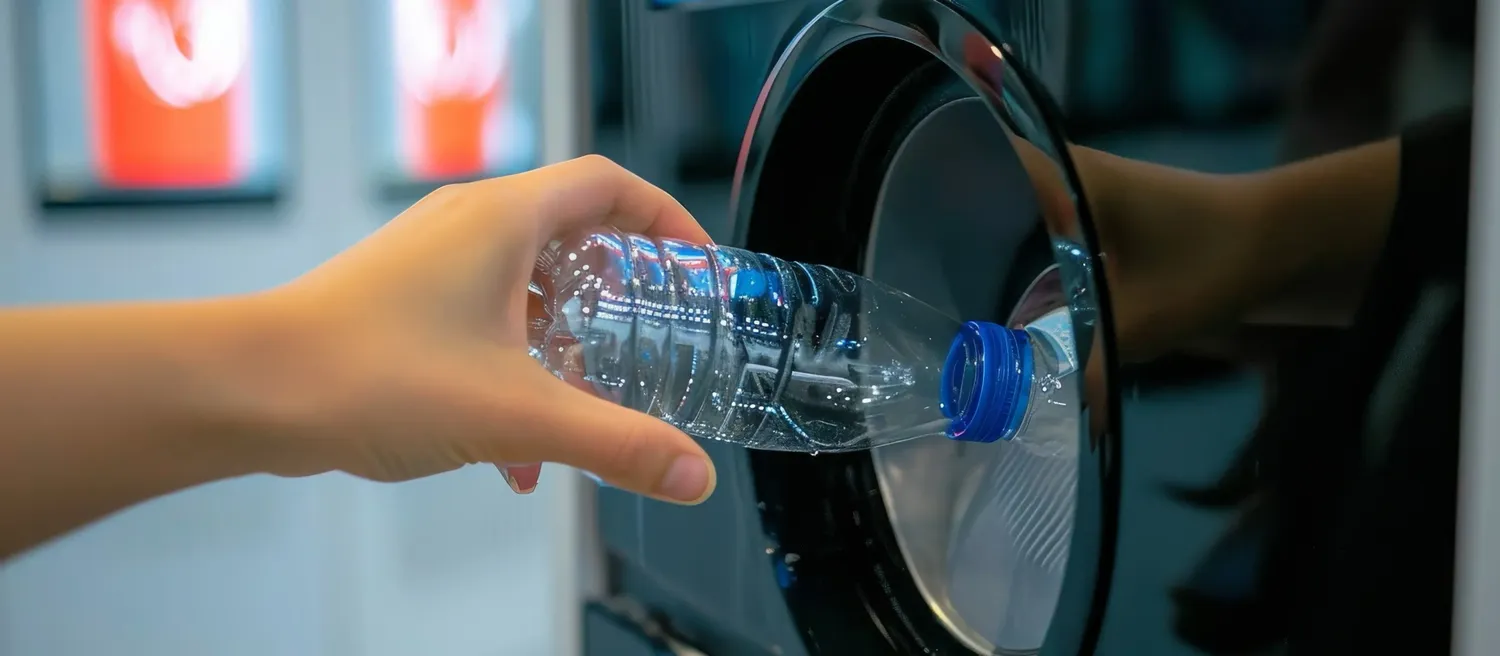
India generates millions of tonnes of plastic waste every year, and a large share of it never makes it into a proper recycling stream. Overflowing landfills, informal waste-picker networks, and inconsistent collection systems have made it clear that traditional methods alone can't keep up with the scale of the problem. As cities and businesses look for practical ways to close that gap, automated recycling technology is stepping in — and one solution leading this shift is reverse vending machines india has increasingly started adopting across malls, campuses, and public spaces.
This shift isn't just about convenience. It reflects a broader change in how India is beginning to think about waste — not as something to dispose of, but as a resource that needs to be captured accurately and efficiently right at the point of disposal.
What's Driving the Shift Toward Automated Recycling
For years, recycling in India has depended heavily on manual collection and informal waste-picker networks. While this system has kept a surprising amount of material out of landfills, it's inconsistent — sorting quality varies, contamination is common, and there's little data on how much is actually being recycled versus lost. Bottles get mixed with general waste, materials arrive at facilities already contaminated, and there's rarely any reliable way to measure collection volumes over time. This is exactly the gap that a modern bottle recycling machine is built to close.
Instead of relying on people to sort correctly, these machines — often called reverse recycling vending machines — identify each container the moment it's deposited, checking barcode, size, and weight before sorting it automatically into the right stream. Many models also compact or shred materials on-site, which cuts down storage space and makes transport to recycling facilities more efficient. This means less handling, fewer errors, and a cleaner material stream by the time it reaches a recycling facility.
The shift toward automation also solves a data problem that manual systems have never really addressed. Every deposit made into an automated machine is logged — giving businesses, campuses, and municipalities real numbers on how much plastic, glass, or aluminum is actually being collected, rather than rough estimates based on informal networks.
How Reverse Vending Machines Fit Into the Bigger Picture
A bottle recycling machine is really just one form of a broader category of technology: reverse vending machines. Unlike a traditional vending machine that dispenses a product, a reverse vending machine does the opposite — it accepts a used container and, in many cases, rewards the user for returning it. This reward-based model is central to Deposit Return Schemes (DRS), which are already common in several countries and are gaining traction in Indian cities as awareness around plastic waste grows.
Under a typical DRS setup, a small deposit is added to the price of a bottled product at the point of sale. When the consumer returns the empty container to a reverse vending machine, that deposit is refunded — either as cash, a voucher, or loyalty points. This simple incentive has been shown to significantly increase return and recycling rates in markets where it's been implemented, because it turns recycling from an optional good deed into something with a direct, tangible benefit for the individual.
Even in regions without a formal deposit return system in place, these machines still provide real value — they simplify recycling for the end user, improve the accuracy of what gets sorted, and generate usable data on collection volumes over time. For many Indian businesses and municipalities that haven't yet moved to a formal DRS model, this makes reverse vending machines a practical first step toward more structured recycling infrastructure, without needing regulatory change to see the benefit.
Why This Matters for Institutions and Businesses
Malls, corporate campuses, educational institutions, and municipal bodies are increasingly evaluating reverse recycling vending machines as part of their sustainability strategy — not just because it looks good on a report, but because it solves a real operational problem: how do you collect large volumes of plastic, glass, and aluminum waste accurately, without relying entirely on manual labor?
For a shopping mall or transit hub, this might mean processing hundreds of bottles a day without needing dedicated sorting staff. For a corporate campus, it might mean giving employees an easy, visible way to participate in the company's sustainability goals. For municipal bodies, it can mean generating real collection data that supports compliance reporting and long-term waste management planning — something that's historically been very difficult to track accurately with manual systems.
There's also a behavioral element worth noting. Placing a recycling machine in a highly visible, high-traffic location changes how people think about disposal in that moment. Instead of defaulting to a general waste bin, users are prompted — often with a small reward attached — to make the more sustainable choice. Over time, this kind of visible infrastructure can shift recycling from something people occasionally think about to something built into daily routine.
What to Look for When Adopting This Technology
Not every machine is suited to every location. Before adopting a system, organizations should consider:
- Expected volume — how many bottles or cans will be deposited daily? A small office has very different needs than a busy mall or transit station.
- Available space — compact units suit smaller offices, while high-capacity models fit malls or transit hubs where footfall and collection volume are much higher.
- DRS compatibility — will the machine need to support a formal deposit/reward system, or operate as a standalone recycling point without a monetary incentive attached?
- Sorting accuracy — barcode scanning and weight/size sensors significantly reduce contamination compared to manual bins, which matters a great deal for the resale value and usability of the recycled material.
- Maintenance and support — since these are mechanical, sensor-driven systems, it's worth understanding what ongoing servicing and support looks like once the machine is installed.
Getting these details right at the planning stage makes a meaningful difference in how well the machine actually performs once it's deployed — a mismatch between expected volume and machine capacity is one of the most common reasons automated recycling programs underdeliver.
The Road Ahead
As India's regulatory environment around plastic waste continues to tighten and public awareness grows, automated recycling infrastructure is likely to become far more common — not just in metro cities, but across smaller towns and institutional campuses as well. Policy conversations around extended producer responsibility (EPR) and formal deposit return frameworks are already pushing more businesses to think seriously about how they manage plastic waste at the point of collection, not just after the fact.
Businesses that adopt this technology early are positioning themselves ahead of both compliance requirements and consumer expectations around sustainability. As more consumers come to expect visible, convenient recycling options wherever they shop, work, or study, organizations that have already built this infrastructure will be better placed to meet that expectation — rather than scrambling to catch up once it becomes the norm.
Final Thoughts
Whether it's called a bottle recycling machine, a reverse vending machine, or simply an RVM, the underlying goal is the same: making recycling more accurate, more convenient, and more data-driven. These machines don't just collect waste — they remove the guesswork from sorting, generate real data for organizations to act on, and make sustainable behavior easier for the people using them every day.
As adoption grows across the country, this technology is quickly becoming a practical answer to one of India's most persistent environmental challenges — not as a distant future solution, but as infrastructure that's already being installed in malls, offices, and campuses today.