Ear instruments are a vital component in the practice of Otolaryngology, particularly in the treatment and diagnosis of ear disorders. The precise design and functionality of these tools enable ENT surgeons (ear, nose, and throat specialists) to perform detailed procedures with high accuracy, from routine examinations to complex surgeries. In this blog, we will explore the different types of ear instruments, their applications, and the benefits they offer to both medical professionals and patients.
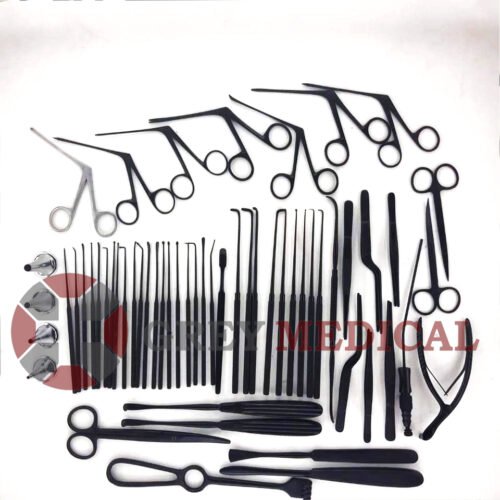
Types of Ear Instruments
Ear instruments come in a wide range of types, each designed for specific tasks. Here are some of the most common tools used in ear procedures:
- OtoscopeFunction: An otoscope is a handheld device used for examining the external ear canal and the eardrum. It allows the physician to visualize the ear’s inner structures to detect signs of infection, injury, or other abnormalities.
Features: Equipped with a light source and a magnifying lens, the otoscope provides a clear view of the ear canal. Some otoscopes also include disposable specula for hygiene purposes.
- Ear CuretteFunction: An ear curette is a small, spoon-shaped tool used to remove earwax or debris from the ear canal.
Applications: It is commonly used during ear cleaning procedures or when patients experience excessive earwax buildup.
Design: Curettes may come in various shapes and sizes to suit the patient’s ear canal.
- Ear ForcepsFunction: Ear forceps are used for grasping, pulling, or manipulating ear tissue or foreign objects in the ear canal.
Applications: These instruments are essential during procedures like foreign body extraction or ear surgery.
Design: Typically designed with delicate tips to avoid damaging the ear canal or eardrum, ear forceps come in straight or curved shapes for better precision.
- Tympanometry ProbeFunction: Tympanometry probes are used to assess the condition of the middle ear by measuring the movement of the eardrum in response to changes in air pressure.
Applications: It is frequently used to diagnose middle ear conditions like otitis media (middle ear infection) or eustachian tube dysfunction.
Features: The probe has a small, flexible rubber tip that fits snugly into the ear canal to perform the test.
- Ear SpeculumFunction: An ear speculum is a cone-shaped instrument used to widen the ear canal for better examination.
Applications: Typically used with an otoscope to facilitate a clear view of the ear structures.
Design: Available in various sizes, ear specula ensure that the ear canal is held open gently to allow safe and effective inspection.
- Mastoid ShaverFunction: A mastoid shaver is used in mastoid surgery (surgery on the bone behind the ear) to remove tissue or bone during procedures.
Applications: It is often used in surgeries for conditions such as cholesteatoma or mastoid infections.
Design: The shaver typically has a rotating or oscillating blade designed to cut through hard tissue while preserving surrounding structures.
Applications of Ear Instruments
Ear instruments are employed in a wide range of medical procedures, particularly in diagnosing and treating ear-related conditions. Some common applications include:
- Routine Ear Examinations:
Instruments like the otoscope and ear speculum are essential for visual inspection during routine checkups. They allow the physician to detect ear infections, blockages, or other irregularities in the ear canal and eardrum. - Earwax Removal:
Ear curettes and ear forceps are commonly used to remove excessive earwax buildup, a common cause of hearing loss or discomfort. These instruments allow for precise removal without damaging the ear canal. - Foreign Body Removal:
When foreign objects, such as beads, cotton, or insects, get lodged in the ear, ear forceps are used to safely extract them. This procedure requires careful handling to avoid injury to the ear structures. - Ear Surgeries:
For more invasive procedures, such as mastoidectomy or tympanoplasty, specialized instruments like the mastoid shaver and tympanometry probe are used to perform the surgery and ensure that the eardrum and middle ear structures are functioning correctly. - Hearing Tests:
Some ear instruments, such as the tympanometry probe, are used to evaluate the function of the middle ear and detect potential hearing loss. Tympanometry is often used alongside other hearing tests to get a complete picture of ear health.
Benefits of Using Ear Instruments
- Precision and Accuracy:
Ear instruments are specifically designed to allow precise manipulation and examination of the delicate structures of the ear. This ensures that treatments and diagnoses are performed with the utmost accuracy. - Minimally Invasive Procedures:
Many ear instruments, such as ear curettes and forceps, help avoid the need for more invasive surgical procedures. This reduces patient discomfort, recovery time, and the risk of complications. - Improved Patient Care:
By enabling clear visualization and effective treatment, ear instruments contribute to better patient outcomes, especially when used in combination with other diagnostic tools. - Enhanced Diagnosis:
Instruments like the tympanometry probe help ENT specialists assess and diagnose a range of ear conditions with greater confidence. This leads to more effective and targeted treatments.
Conclusion
Ear instruments are indispensable in the field of Otolaryngology, offering healthcare professionals the tools they need to perform thorough exams, accurate diagnoses, and successful treatments for ear conditions. Whether used for routine checkups or complex surgeries, these instruments ensure that the ear canal and associated structures are treated with care and precision. With ongoing advancements in medical technology, ear instruments will continue to evolve, further enhancing patient care and treatment outcomes in the realm of ear health.