Diastasis recti, a common condition particularly among postpartum women, involves the separation of the abdominal muscles along the midline. This separation can lead to a bulge in the belly area and may contribute to core weakness, lower back pain, and a change in posture. Fortunately, specific exercises can help in managing and improving this condition. This article provides an overview of safe and effective exercises for diastasis recti.
Understanding Diastasis Recti
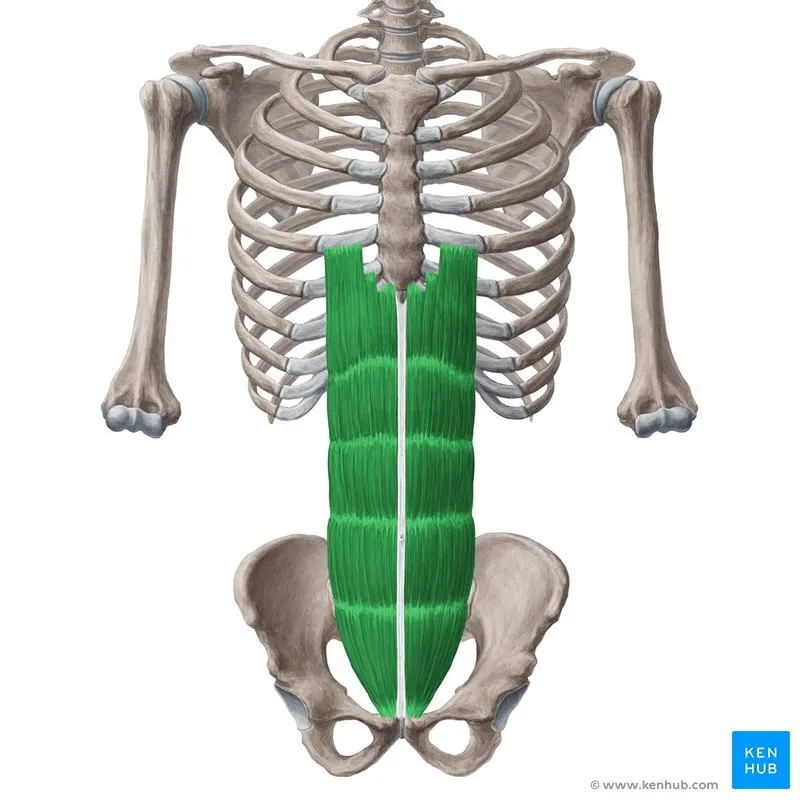
Before diving into the exercises, it’s crucial to understand what diastasis recti is. It’s the widening of the gap between the left and right abdominal muscles, a condition often caused by the stretching of the linea alba, the connective tissue at the midline of the abdomen. While commonly associated with pregnancy, it can also affect men, women who have never been pregnant, and even newborns.
Key Principles for Diastasis Recti Exercises
- Gentle Core Activation: The focus should be on gently activating the deep core muscles without putting pressure on the midline.
- Posture Awareness: Maintaining good posture is essential in all exercises to avoid additional strain on the abdominal muscles.
- Breathing Techniques: Proper breathing helps in engaging the core muscles effectively.
- Progressive Overload: Start with simpler exercises and gradually increase the intensity as your strength improves.
Recommended Exercises for Diastasis Recti
Pelvic Tilts
- Lie on your back with your knees bent and feet flat on the floor.
- Inhale, then exhale while gently tilting your pelvis towards your ribs, flattening your back against the floor.
- Hold for a few seconds and then release.
Heel Slides
- Lie on your back with knees bent.
- Slowly slide one heel out to straighten the leg, keeping your back flat.
- Slide the heel back and repeat with the other leg.
Here you can find more diastasis recti exercises
Precautions and Tips
- Consult a Professional: Before starting any exercise program, especially postpartum, consult with a healthcare provider or a physical therapist.
- Listen to Your Body: If any exercise causes pain or discomfort, stop immediately.
- Avoid Certain Movements: Steer clear of exercises that cause bulging or straining in the abdominal area, such as traditional crunches or sit-ups.
- Consistency is Key: Regular practice of these exercises can lead to better results.
Conclusion
Diastasis recti exercises, when performed correctly and consistently, can significantly aid in the recovery and strengthening of the abdominal muscles. It’s important to approach these exercises with patience and to progress gradually. Remember, every individual’s journey to recovery is unique, and it’s crucial to listen to your body and consult with healthcare professionals for personalized advice.
https://medium.com/@yourcorerestore/diastasis-recti-exercises-a-guide-to-safe-and-effective-workouts-6dd5ac1f15c1