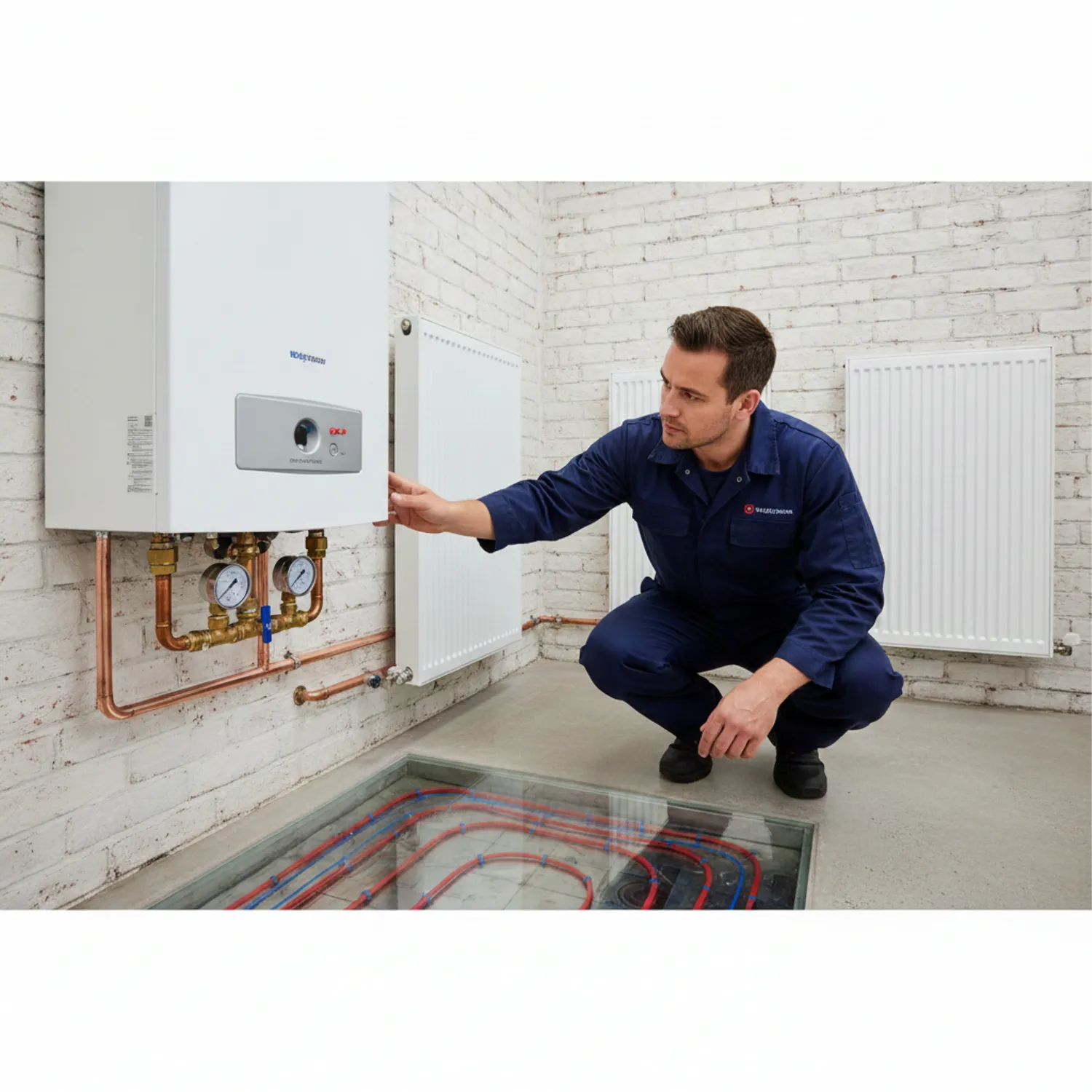
A well-maintained hydronic heating system is one of the most reliable, energy-efficient heating solutions you can own. But like any mechanical system, hydronic heating requires regular attention to perform at its best. Whether you have a hydronic heating boiler, a set of hydronic heating radiators, or a full underfloor system, this guide covers everything Melbourne homeowners need to know to keep their radiant heating system running safely and efficiently for decades.
Why Hydronic Heating Maintenance Matters in Melbourne
Melbourne's heating season runs roughly from April through to October. During those months, your hydronic heating Melbourne system works hard — and any underlying issues that went unnoticed during summer will surface fast once temperatures drop. Regular maintenance protects your investment, preserves energy efficiency, and prevents costly emergency call-outs mid-winter.
The good news is that hydronic heating is inherently low-maintenance compared to ducted gas systems. There are no filters to replace, no ducts to clean, and no fans to service. But that doesn't mean zero maintenance. A neglected boiler or an unbled radiator can quietly reduce system performance and drive up your gas bill without you realising it.
Annual Hydronic Heating Boiler Service
What a Boiler Service Involves
The hydronic heating boiler is the most critical component in your system and the one that demands the most attention. Melbourne heating specialists recommend an annual service before the heating season begins — ideally in late March or early April. A standard boiler service includes:
- Inspection of the heat exchanger for scale build-up or corrosion
- Checking and adjusting gas pressure and burner operation
- Testing flue gases for safe combustion and carbon monoxide levels
- Inspecting seals, gaskets, and internal components for wear
- Verifying system pressure and topping up if required
- Checking the expansion vessel charge
- Testing safety controls and thermostat accuracy
For Immergas hydronic heating boilers — among the most widely installed condensing units in Melbourne — annual servicing is also a condition of maintaining the manufacturer's warranty. Immergas recommends using accredited service technicians familiar with their condensing boiler technology to ensure the heat exchanger and modulating burner are correctly calibrated.
Boiler Pressure Checks
System pressure is one of the easiest things homeowners can monitor themselves. Most hydronic boilers operate between 1.0 and 1.5 bar when cold. A pressure gauge is visible on the front of most units. If pressure has dropped below 0.8 bar, the system needs to be re-pressurised via the filling loop — a simple process your technician can demonstrate during a service visit.
Maintaining Hydronic Heating Radiators
Bleeding Your Radiators
Hydronic heating radiators can accumulate air pockets over time, particularly after system shutdowns or pressure drops. Trapped air prevents hot water from circulating fully through the radiator, leaving cold spots at the top and reducing heat output. Bleeding your radiators at the start of each heating season is a simple DIY task:
- Turn the system on and allow it to reach operating temperature
- Identify radiators with cold spots at the top
- Use a radiator bleed key to slowly open the bleed valve
- Allow air to escape until water flows steadily, then close the valve
- Check boiler pressure afterwards and re-pressurise if needed
For panel radiators Melbourne homes rely on — including DeLonghi hydronic heating panels — bleeding once per season is usually sufficient. DeLonghi's panel range features accessible bleed valves that make this task straightforward for homeowners.
Checking for Leaks and Corrosion
Inspect the base of each radiator and any visible pipe connections for signs of rust staining, mineral deposits, or moisture. Small weeps can become significant leaks if left unattended. Catching corrosion early — especially on older cast-iron radiator heating Melbourne systems — can save the cost of a full panel replacement.
Underfloor Hydronic Heating Maintenance in Melbourne
Underfloor heating Melbourne systems require the least hands-on maintenance of all hydronic configurations, since the pipe network is sealed within the floor structure. However, there are still key checks to observe:
- Manifold inspection: The manifold controls flow to each underfloor zone. Check for drips, corrosion, or actuator faults annually.
- Zone valve testing: Confirm each zone valve opens and closes correctly in response to thermostat signals.
- Flow balancing: Over time, some zones may receive more or less flow than intended. A technician can rebalance the system to ensure even heat distribution across all zoned heating systems.
Water Quality and Inhibitor Levels
One of the most overlooked aspects of hydronic heating maintenance is water quality. The water circulating through your boiler heating system should contain a corrosion inhibitor and, where appropriate, an anti-freeze additive. Without inhibitor, internal corrosion of the boiler, pipes, and radiators accelerates significantly.
Melbourne heating specialists recommend testing inhibitor concentration every two years using a test kit or as part of a professional service. If the inhibitor has degraded, the system should be flushed and recharged — a process known as a power flush — which removes sludge, rust, and debris that accumulate over years of operation.
Seasonal Maintenance Checklist
Before winter (March–April):
- Book annual boiler service with an accredited technician
- Bleed all hydronic heating radiators
- Check system pressure and re-pressurise if below 1.0 bar
- Test all zone thermostats and controls
- Inspect visible pipework for leaks or corrosion
During winter:
- Monitor boiler pressure monthly
- Listen for unusual noises — gurgling or banging can indicate air locks or scale build-up
- Ensure adequate ventilation around the boiler unit
After winter (October–November):
- Switch system to standby or summer mode — don't power it off entirely
- Note any issues experienced during the season for next service
Frequently Asked Questions
How often should a hydronic heating boiler be serviced in Melbourne?
Once per year, ideally in late March or early April before the heating season starts. Annual servicing is also required to maintain warranty conditions on brands like Immergas hydronic heating.
Can I bleed my hydronic heating radiators myself?
Yes. Bleeding radiators is a straightforward DIY task requiring only a bleed key. Always check system pressure after bleeding and re-pressurise if it has dropped below 1.0 bar.
How do I know if my DeLonghi hydronic heating panels need attention?
Cold spots at the top of the panel indicate trapped air and the need for bleeding. Rust staining at the base or around valves suggests a developing leak that should be assessed by a Melbourne heating specialist promptly.
What is a power flush and when do I need one?
A power flush is a deep-clean of the hydronic system that removes sludge, rust, and debris using a high-flow pump and cleaning chemicals. It's recommended if your radiators are slow to heat, if the water appears discoloured when bled, or as part of a boiler replacement.
Does underfloor hydronic heating require more maintenance than radiators?
No — underfloor heating Melbourne systems generally require less hands-on maintenance than radiator systems. The main checks relate to manifold condition, zone valve function, and flow balancing, all of which are handled during a professional service.
How long will a hydronic heating system last with proper maintenance?
A well-maintained hydronic heating Melbourne system — including the boiler and radiators — can last 20–30 years. Condensing boilers from reputable brands like Immergas, when serviced annually, regularly reach and exceed 20 years of reliable operation.
Consistent, proactive maintenance is what separates a hydronic heating Melbourne system that lasts 30 years from one that fails at 12. With an annual boiler service, seasonal radiator bleeding, and regular water quality checks, your radiant heating system will deliver the silent, comfortable, energy-efficient warmth Melbourne winters demand — year after year.