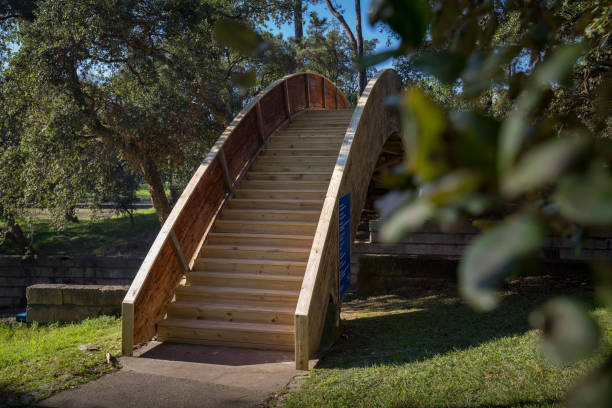
Public parks serve as community spaces where people connect with nature, exercise, and enjoy outdoor recreation. Trails often weave through diverse landscapes — crossing creeks, valleys, and wetlands — where timber bridges become essential for access and continuity. Public park trail timber bridge construction combines durability, environmental responsibility, and aesthetic design to create safe and visually appealing crossings that enhance the visitor experience while preserving the natural setting.
The Importance of Timber Bridges in Public Parks
Timber bridges provide both function and beauty. They allow walkers, joggers, and cyclists to traverse streams or uneven terrain without damaging vegetation or disrupting water flow. Beyond their practical role, these structures contribute to the overall charm and identity of a park.
Key benefits include:
- Accessibility: Timber bridges connect trail systems and improve accessibility for all visitors.
- Environmental protection: Elevated crossings protect sensitive habitats and prevent soil erosion.
- Aesthetic harmony: Natural wood tones blend with the surrounding landscape, maintaining a rustic appeal.
- Durability and adaptability: Modern-treated timber bridges withstand heavy use, weather fluctuations, and moisture.
In essence, a well-built timber bridge ensures that nature remains undisturbed while visitors move freely and safely through the park.
Key Features of a Professional Timber Bridge Construction Company
Constructing a public park trail timber bridge demands technical skill, creativity, and an understanding of local environmental conditions. Reputable builders offer:
- Comprehensive Site Assessment
Builders start with topographical and environmental evaluations to determine optimal bridge locations and dimensions. They assess soil conditions, hydrology, and load requirements to design a structure that fits the terrain. - Custom Design and Engineering
Each bridge is tailored to the park’s landscape and trail system. Designers ensure proper width for pedestrian and bicycle use, compliance with safety standards, and ADA accessibility where required. - Sustainable Material Selection
Environmentally conscious builders use renewable, pressure-treated, or naturally rot-resistant woods like cedar, pine, or oak. Fasteners and connectors are corrosion-resistant, and finishes are selected to protect against UV exposure and moisture. - Low-Impact Construction Methods
Construction crews use methods that minimize soil disturbance and tree root damage. Prefabricated components are often transported and assembled onsite, reducing noise and environmental impact. - Maintenance and Longevity Planning
A professional company not only builds but also advises on maintenance schedules — from periodic sealing and inspections to drainage management — ensuring long-term structural integrity.
Steps in the Construction Process
Building a timber bridge in a public park involves several well-defined stages:
- Site Evaluation and Surveying
Engineers and landscape architects collaborate to study terrain, drainage, and visitor flow. The bridge’s alignment and elevation are determined based on natural features and trail connectivity. - Design Development
The design phase incorporates load requirements, aesthetics, and safety standards. It may include features such as handrails, non-slip decking, and scenic viewing platforms. - Permitting and Environmental Approval
Public park projects must comply with local building codes, floodplain regulations, and environmental protection guidelines. Professionals handle this process to ensure compliance. - Material Preparation and Prefabrication
Timber is cut, treated, and assembled into modular sections where possible. Prefabrication reduces onsite construction time and minimizes disruption to park visitors. - Foundation Installation
Depending on soil type and water proximity, the foundation may involve driven piles, helical anchors, or concrete abutments. The goal is to provide stability while maintaining natural water flow. - Bridge Assembly
Decking, beams, and rail systems are installed carefully. Builders ensure proper alignment, spacing for drainage, and smooth transitions to adjoining trails. - Finishing and Inspection
After installation, protective coatings are applied, and final safety inspections ensure compliance with load and accessibility standards.
Design Considerations for Park Environments
Timber bridge design in public parks emphasizes both function and aesthetic appeal. Factors to consider include:
- Integration with landscape: The bridge should appear as a natural extension of the trail.
- Safety and accessibility: Handrails, curbs, and non-slip decking enhance visitor safety.
- Durability: Weather-resistant materials and finishes protect against decay, insects, and wear.
- Capacity: The bridge must accommodate pedestrians, cyclists, and maintenance vehicles if needed.
- Visual impact: The bridge’s design should complement the park’s theme, whether rustic, modern, or historic.
Sustainable and Eco-Friendly Building Practices
Environmental sensitivity is at the heart of public park projects. Professional builders employ practices that protect natural habitats while promoting sustainability:
- Use of certified sustainable timber from responsibly managed forests.
- Minimal ground disturbance using lightweight equipment and prefabricated elements.
- Erosion control measures to safeguard water bodies and surrounding vegetation.
- Non-toxic sealants and finishes to prevent contamination.
- Post-construction restoration to return the area to its natural state.
By prioritizing eco-conscious methods, timber bridge projects support both conservation and recreation goals.
Benefits of Timber Bridges for Public Parks
Timber bridges provide long-term benefits that go beyond accessibility:
- Enhanced visitor experience: Bridges create scenic viewpoints and promote engagement with nature.
- Community value: Attractive, well-built bridges increase public pride and encourage park use.
- Cost-effectiveness: Timber is often more affordable and easier to maintain than steel or concrete alternatives.
- Sustainability: Renewable materials align with environmental initiatives and green building practices.
Why Professional Expertise Matters
Constructing bridges for public parks requires coordination among engineers, architects, and environmental experts. A professional construction team ensures compliance with regulations, structural integrity, and aesthetic balance. Poorly built or under-engineered bridges can pose safety hazards and require expensive repairs. Experienced builders deliver precision, durability, and environmental stewardship — ensuring the structure’s success and longevity.
Conclusion
Public park trail timber bridge construction blends engineering, artistry, and environmental awareness. These bridges enable safe passage over natural obstacles while enhancing the park’s beauty and ecological integrity. With proper planning, sustainable materials, and professional craftsmanship, timber bridges become lasting landmarks that invite visitors to explore nature with safety, comfort, and respect. They stand as testaments to how thoughtful construction can preserve the environment while enriching public outdoor spaces.