
Running an occupational therapy clinic involves much more than providing exceptional patient care. Therapists and administrative staff must coordinate appointments, maintain detailed clinical documentation, process insurance claims, communicate with patients, and ensure compliance with healthcare regulations. As practices grow, managing these responsibilities manually becomes increasingly challenging. That's why investing in occupational therapy practice management technology has become a necessity rather than a luxury.
The right platform helps reduce administrative burdens while allowing therapists to focus on improving patient outcomes. However, not every solution offers the same capabilities. Understanding which features truly matter can help practice owners choose software that supports long-term growth, operational efficiency, and outstanding patient experiences.
Why Feature Selection Matters
Practice management software serves as the operational backbone of an occupational therapy clinic. It connects scheduling, documentation, billing, reporting, and communication into one centralized system. Choosing a platform with comprehensive functionality minimizes errors, saves valuable time, and creates a smoother workflow for everyone involved.
Instead of relying on multiple disconnected systems, a feature-rich solution simplifies daily operations and improves collaboration between therapists, office staff, and patients.
Below are ten essential features every occupational therapy practice management platform should include.
1. Intelligent Appointment Scheduling
Scheduling is one of the busiest administrative tasks in any therapy practice. A robust scheduling system should go beyond simply booking appointments.
Look for features such as:
- Drag-and-drop calendar management
- Recurring appointment scheduling
- Therapist availability tracking
- Waitlist management
- Multiple clinic location support
- Color-coded calendars
An intelligent scheduling system reduces double bookings, improves resource allocation, and helps maximize therapist productivity.
2. Comprehensive Electronic Documentation
Documentation is essential for tracking patient progress, maintaining compliance, and supporting reimbursement.
An effective platform should allow therapists to:
- Create customized evaluation templates
- Document treatment sessions efficiently
- Record measurable goals
- Monitor patient progress over time
- Store assessments securely
Templates designed specifically for occupational therapy reduce repetitive data entry while ensuring documentation remains accurate and consistent.
3. Secure Patient Portal
Patients increasingly expect convenient digital access to healthcare services.
A secure patient portal should allow patients to:
- Complete intake forms online
- Review appointment schedules
- Access treatment plans
- Upload required documents
- Send secure messages to providers
- View invoices and payment history
Providing self-service options improves patient satisfaction while reducing administrative workload.
4. Integrated Billing and Insurance Management
Revenue cycle management directly impacts the financial health of every occupational therapy practice.
An integrated billing system should support:
- Insurance verification
- Electronic claim submission
- Claim tracking
- Payment posting
- Copay collection
- Outstanding balance monitoring
Automation helps minimize billing mistakes and accelerates reimbursement, improving cash flow throughout the practice.
5. Customizable Clinical Workflows
Every occupational therapy clinic operates differently based on patient populations, specialties, and provider preferences.
The ideal platform should offer customizable workflows that adapt to your practice rather than forcing your team to change established processes.
Examples include:
- Customized treatment plans
- Personalized documentation templates
- Flexible evaluation forms
- Task automation
- Workflow triggers
Customization allows practices to maintain efficiency while delivering personalized care.
6. HIPAA-Compliant Communication Tools
Communication plays a major role in delivering coordinated patient care.
Practice management platforms should include secure communication features such as:
- Internal staff messaging
- Patient messaging
- Appointment reminders
- Follow-up notifications
- Document sharing
- Automated alerts
Maintaining HIPAA compliance protects patient privacy while ensuring communication remains fast and secure.
7. Outcome Tracking and Progress Reporting
Occupational therapists regularly measure patient progress to evaluate treatment effectiveness.
The right platform should simplify outcome tracking by providing:
- Progress graphs
- Functional assessment comparisons
- Goal achievement monitoring
- Treatment history
- Therapist notes
- Improvement reports
Visual reports help therapists make informed treatment decisions while demonstrating measurable improvements to patients and insurers.
8. Telehealth Capabilities
Virtual care has become an important component of modern rehabilitation services. While not every treatment can occur remotely, telehealth provides valuable flexibility for follow-up visits, caregiver education, and certain therapy sessions.
Integrated telehealth features should include:
- Secure video appointments
- Virtual waiting rooms
- Screen sharing
- Digital documentation
- Session recording where permitted
- Integrated scheduling
Having telehealth built into the same platform eliminates the need for third-party applications and streamlines patient care.
9. Reporting and Business Analytics
Practice owners need accurate data to make informed business decisions.
Comprehensive reporting tools should provide insights into:
- Appointment utilization
- Revenue performance
- Therapist productivity
- Patient retention
- Cancellation rates
- Insurance reimbursement trends
- Outstanding claims
Access to real-time analytics helps identify growth opportunities while addressing operational challenges before they become significant problems.
10. Scalability and Integration
As occupational therapy practices expand, software should grow alongside them.
A scalable platform should support:
- Additional providers
- Multiple clinic locations
- Increased patient volume
- Role-based user permissions
- Cloud accessibility
- Third-party integrations
Integration with accounting software, payment processors, electronic health records, and communication platforms creates a more connected healthcare ecosystem that improves overall efficiency.
Benefits of Choosing the Right Practice Management Platform
Selecting software with these essential features delivers long-term advantages that extend far beyond administrative convenience.
Some of the biggest benefits include:
Improved Efficiency
Automation eliminates repetitive administrative tasks, allowing therapists to dedicate more time to patient care.
Better Patient Experience
Convenient scheduling, online forms, appointment reminders, and secure communication improve the overall patient journey.
Increased Revenue
Accurate billing, faster insurance claims, and fewer documentation errors contribute to healthier financial performance.
Enhanced Compliance
Built-in compliance tools help maintain proper documentation, secure patient information, and reduce regulatory risks.
Better Team Collaboration
Centralized information enables therapists, administrators, and billing staff to work together more effectively.
Data-Driven Growth
Business intelligence tools provide valuable insights that support smarter operational and financial decisions.
Common Mistakes to Avoid When Choosing a Platform
Not every software solution meets the unique needs of occupational therapy practices. Before making a decision, avoid these common mistakes:
- Choosing software based solely on price
- Ignoring specialty-specific documentation needs
- Overlooking scalability for future growth
- Selecting systems with limited customer support
- Failing to request demonstrations before purchasing
- Ignoring integration capabilities with existing systems
Evaluating software carefully ensures your investment delivers lasting value.
Ready to Simplify Your Occupational Therapy Practice?
Managing an occupational therapy clinic becomes much easier when every aspect of your workflow is connected through one reliable platform. From scheduling and documentation to billing, reporting, patient communication, and compliance, the right software can transform daily operations while improving patient care.
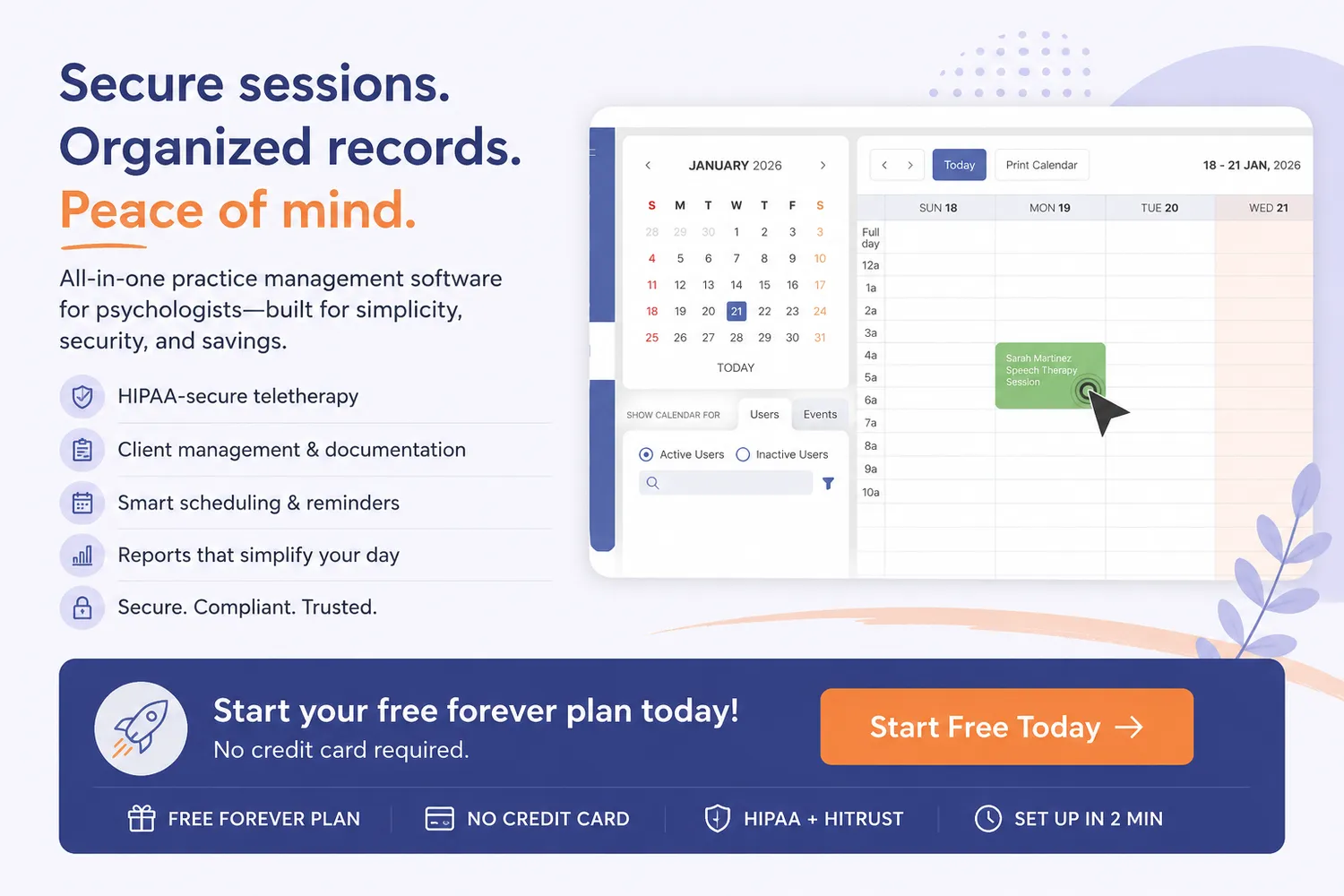
ReadySetConnect offers a comprehensive practice management solution designed specifically for occupational therapists. Its intuitive tools help streamline administrative work, improve clinical efficiency, enhance collaboration, and support practice growth. Whether you're launching a new clinic or upgrading your current system, ReadySetConnect provides the technology needed to help your practice operate more efficiently and deliver exceptional patient experiences.
Conclusion
Selecting a practice management platform is one of the most important technology decisions an occupational therapy clinic can make. The right solution should simplify administrative responsibilities, strengthen clinical workflows, improve financial performance, and create a better experience for both providers and patients.
Rather than focusing on basic scheduling alone, clinics should evaluate software based on its complete set of features, including documentation, billing, analytics, telehealth, communication, reporting, and scalability. Investing in a comprehensive solution today prepares your practice for future growth while enabling therapists to spend more time delivering meaningful patient care. Choosing modern occupational therapy software is a strategic step toward building a more efficient, organized, and successful practice.
Frequently Asked Questions (FAQs)
1. What is occupational therapy practice management software?
Occupational therapy practice management software is a digital platform that helps clinics manage scheduling, documentation, billing, patient records, reporting, communication, and administrative workflows from a centralized system.
2. Why is appointment scheduling important in occupational therapy practices?
Efficient scheduling reduces missed appointments, prevents booking conflicts, improves therapist productivity, and creates a smoother experience for both staff and patients.
3. Can practice management software improve billing accuracy?
Yes. Integrated billing features automate insurance verification, claim submission, payment tracking, and invoicing, helping reduce errors and accelerate reimbursements.
4. Is telehealth an important feature for occupational therapy clinics?
Absolutely. Telehealth allows therapists to conduct appropriate virtual sessions, provide caregiver education, perform follow-ups, and increase accessibility for patients who cannot visit the clinic.
5. What should I look for when choosing occupational therapy software?
Look for features such as customizable documentation, scheduling, billing integration, patient portals, secure messaging, reporting, HIPAA compliance, telehealth capabilities, scalability, and responsive customer support.