A well-planned outdoor space can change how you use your property. A strong structure keeps soil in place, while a comfortable surface gives you room to relax, dine, or entertain. When you combine both features, careful planning becomes essential. Hiring the right professional helps you avoid uneven surfaces, drainage issues, weak foundations, and costly repairs.
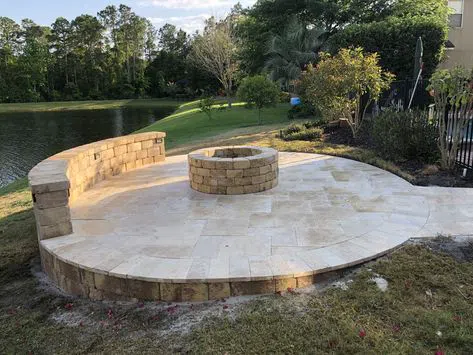
Before you choose a contractor, you need to understand what to check, what questions to ask, and how to compare your options. The right preparation helps you create a retaining wall and paver patio that looks attractive and performs well for years.
Start With Your Project Goals
Before contacting contractors, define what you want from the project. Consider the size of the patio, the height and length of the wall, the preferred layout, and how you plan to use the space.
Think about drainage as well. A retaining wall affects how water moves through your yard. Your contractor needs to understand the existing slope and soil conditions before suggesting materials or construction methods.
A clear project goal makes conversations easier. It also helps you compare estimates because each contractor works from similar expectations.
Look for Relevant Experience
Experience matters when your project involves several construction elements. Look for contractors who regularly handle retaining walls, outdoor paving, grading, drainage, and related landscape construction.
You can ask about similar projects without relying on specific names or locations. Request photos of completed work when available. Pay attention to straight wall lines, consistent paver spacing, clean edges, and overall finishing.
A contractor with suitable experience also understands how different materials work together. This knowledge helps you avoid design choices that create maintenance problems later.
Check Contractor Credentials
Do not choose a contractor based only on a low price. Check whether the contractor has the required license, insurance, and other credentials for your area.
Insurance is particularly important. Proper coverage helps protect you from certain risks that may occur during construction. You can also ask whether subcontractors work on the project and how their responsibilities are handled.
Clear documentation gives you more confidence before construction begins. It also shows that the contractor treats the project as professional work rather than a quick installation.
Ask About Materials and Installation
Material selection affects appearance, durability, maintenance, and cost. Ask which wall materials and pavers fit your property and why.
If you prefer a paved outdoor surface, ask about different paver types, base materials, joint materials, and edge restraints. Some homeowners consider concrete patio pavers because they offer several shapes, textures, and layout options.
You should also ask how the contractor prepares the ground. Proper excavation, compaction, base installation, leveling, and drainage all influence the final result. Attractive materials cannot compensate for poor preparation underneath them.
Compare Detailed Estimates
Get written estimates from several qualified contractors. Each estimate should explain the major parts of the work, including materials, preparation, labor, drainage, removal, and cleanup.
Do not compare totals alone. One contractor may include important preparation work while another provides a lower quote with fewer services. A detailed estimate makes these differences easier to identify.
For a retaining wall and paver patio, ask each contractor to explain how the wall, patio base, grading, and drainage work together. This detail helps you understand whether the estimate covers the complete project rather than only the visible surfaces.
Ask about possible additional costs before signing an agreement. You should understand what happens if the contractor discovers poor soil, unexpected drainage concerns, or other site conditions during preparation.
Review the Project Timeline
A clear schedule helps you plan around construction. Ask when the work starts, how long each stage takes, and what conditions can affect the timeline.
Weather, material availability, site preparation, and unexpected ground conditions can influence progress. A professional contractor explains these factors instead of promising an unrealistic completion date.
You can also ask how the site stays organized during construction. Good communication about access, equipment, materials, and cleanup keeps the project easier to manage.
Discuss Design and Drainage
A retaining structure needs more than an attractive appearance. It needs proper support and water management. Ask how the contractor handles drainage behind the wall and where excess water moves.
Your patio also needs suitable grading. Water should move away from areas where it can cause pooling or damage. A thoughtful design considers both structures as parts of the same outdoor space.
When reviewing paver patio contractors, focus on their complete approach rather than their sales pitch. Ask how they connect design, preparation, drainage, installation, and finishing.
Choose Based on Clear Information
After reviewing estimates, experience, credentials, materials, timelines, and contracts, you can make a more informed choice. Look for clear communication and a contractor who answers questions directly.
Do not rush because of a temporary price difference. Outdoor construction becomes difficult to change after installation, so careful planning at the beginning saves time and stress later.
Build With Confidence
Hiring the right contractor gives you a stronger foundation for a successful outdoor project. When you compare experience, credentials, materials, drainage plans, estimates, and contracts, you reduce avoidable problems. Careful preparation also helps you understand exactly what you receive for your investment.
A qualified professional can guide you through each construction stage while keeping your design goals in focus. With the right planning and workmanship, your retaining wall and paver patio can provide a functional, attractive outdoor area that fits your property and supports comfortable use for years.