I’ve been playing games for decades, long enough to recognize patterns in design — the comfort loops, the reward mechanics, the dopamine triggers. Most games are generous. They help you win. They want to be liked.
MotoGP 25 doesn’t care about being liked. It wants to be respected. And after dozens of hours, hundreds of crashes, and what felt like a slow rewiring of my brain, I realized: this game is teaching something more valuable than how to ride.
It’s teaching how to lose well.
And how to stay with the thing that punishes you most — because on the other side of punishment, if you’re stubborn enough, is something close to mastery.
The First 10 Hours Felt Like I Had No Business Playing
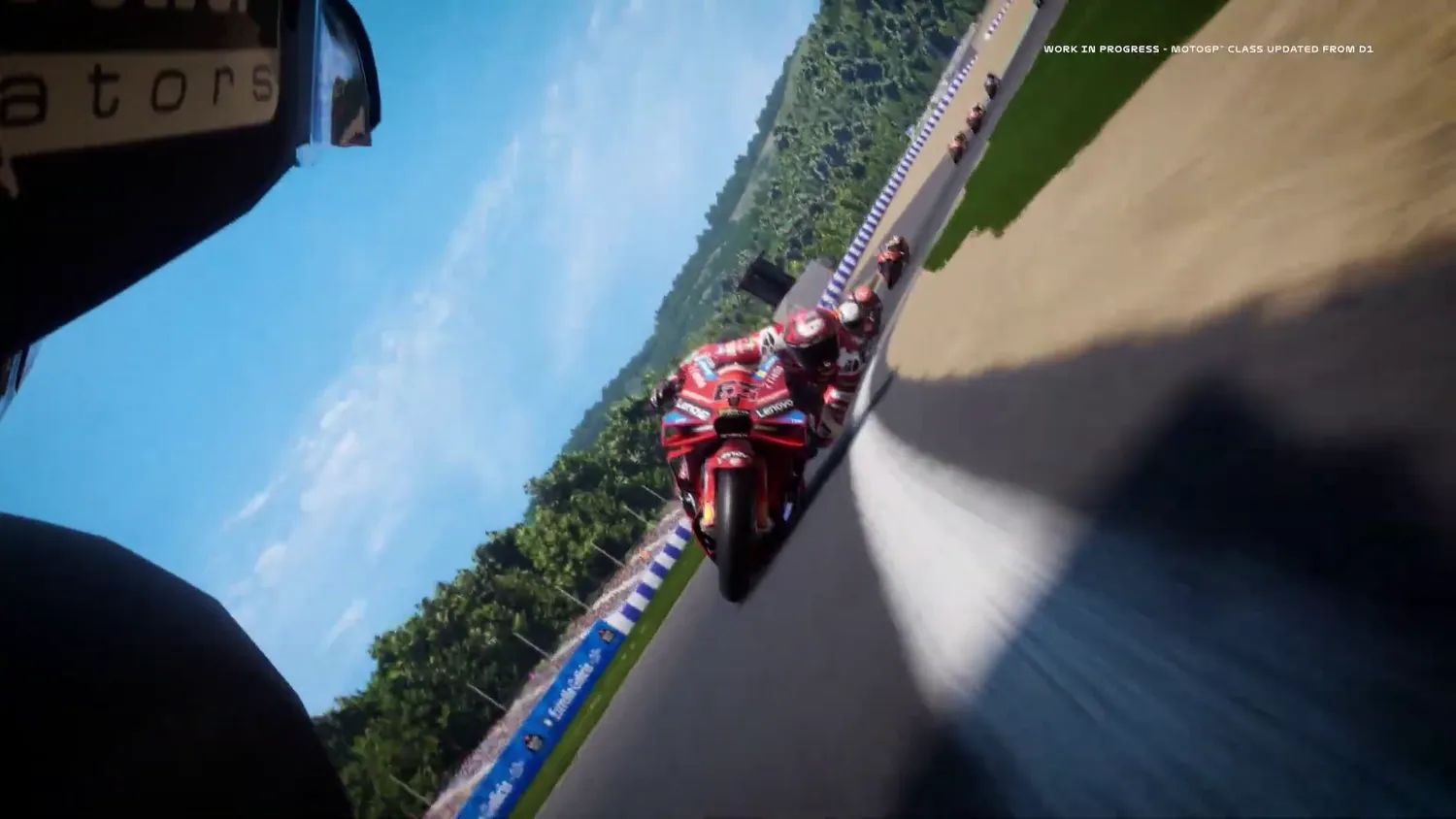
Most racing games — even the serious ones — give you time to settle in. MotoGP 25 throws you into the deep end. You crash. A lot. You misjudge braking zones. You overshoot apexes. The bike bucks you like it knows you don’t belong.
That’s because you don’t — not yet.
This game doesn’t meet you halfway. It demands that you rise. It’s not hostile, but it’s unforgiving. And in a strange way, that’s what hooked me.
There’s no illusion of speed here. No arcade shortcuts. This is a sim that respects physics more than flash. The bike doesn’t care how you feel — it only responds to inputs. Too fast, too early on the throttle? You’re off. Too late on the brakes in damp conditions? Say goodbye.
If you’re looking to buy cheap games but don’t want cheap thrills, MotoGP 25 is a hidden gem. It asks you to earn every inch — and that’s why it’s worth playing.
Progress Isn’t Linear, and That’s the Point
I plateaued in hour 12. I was riding better. Cleaner. Still slow — but consistent. Then it rained.
And I realized I knew nothing.
Wet tracks in MotoGP 25 aren’t just a visual filter. They change everything — the weight transfer, the grip curve, the way you shift your body. I started crashing again. I lost races. I raged. But I didn’t quit.
That’s when I noticed something important: this game doesn’t reward perfection — it rewards persistence.
If you stick with it, the feedback loop deepens. You start noticing what matters. The track temperature. Your tire selection. The wind. The lean angle difference between soft and hard compounds. The way AI riders take different lines depending on the circuit.
It becomes less of a game and more of a craft.
AI That Doesn’t Just Compete — It Pressures
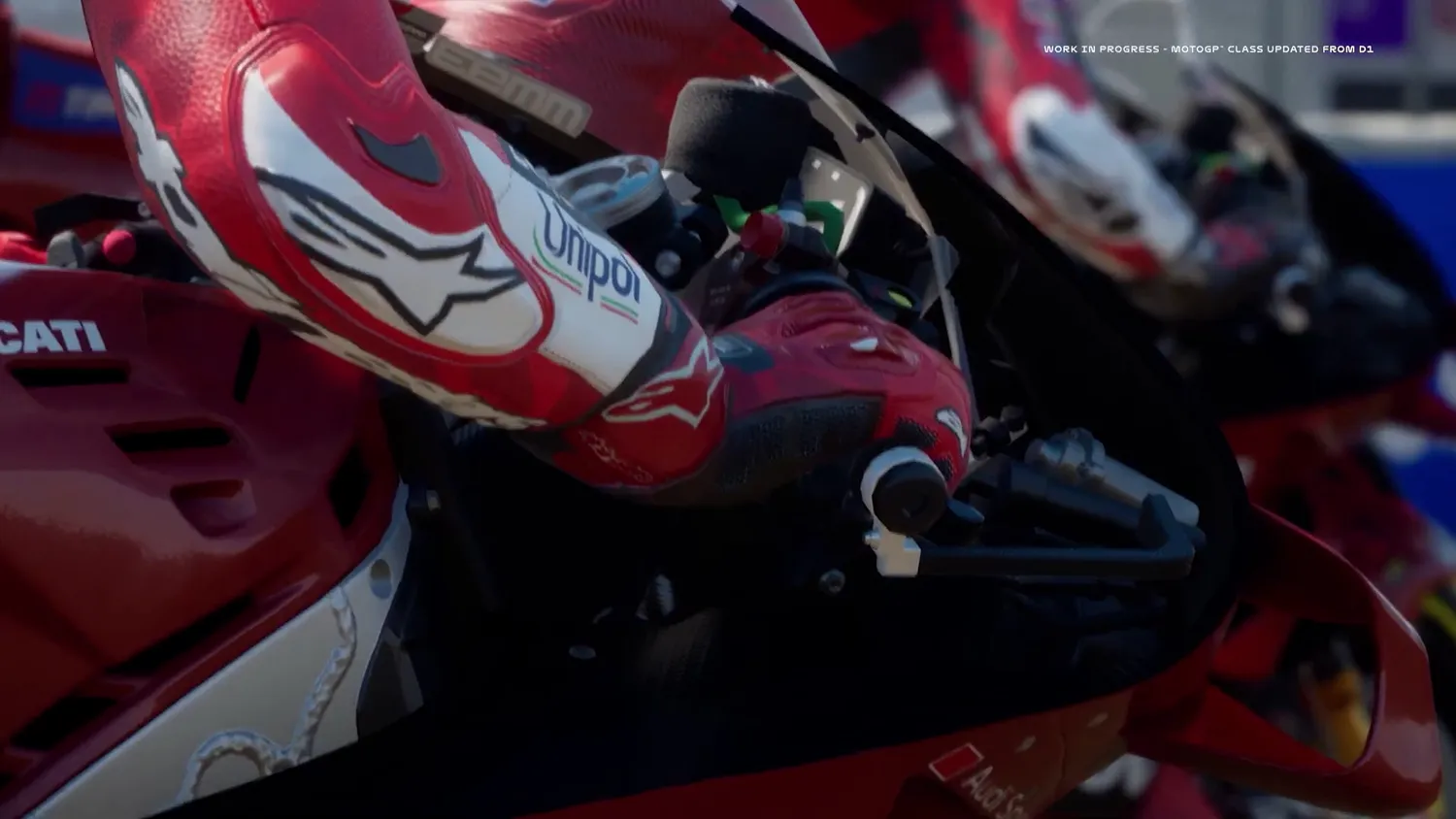
MotoGP 25 has some of the best AI I’ve raced against — not because it’s fast, but because it’s strategic. It watches your weak points. It defends tight lines. It punishes mistakes. And it adapts.
I’ve had races where I led for 10 laps, only to be overtaken on the last two because I got lazy. I’ve had moments where I faked a dive on the inside and watched the AI react defensively — giving me the outside pass I needed. That’s not just smart code. That’s immersive tension.
It’s not racing against numbers. It’s racing against minds.
No Cinematics, No Fluff — Just Discipline
What’s most refreshing about MotoGP 25 is what it doesn’t have.
No bloated cutscenes. No forced rivalries. No overproduced drama. The storytelling is in your decisions — which bike to develop, which contract to sign, whether to push for pole or focus on tire strategy.
This minimalist design mirrors its gameplay philosophy: strip away the unnecessary. Keep what matters. Make it count.
And that fits a platform like Telescope. This isn’t a game that wants to dazzle. It wants to stay with you.
It Changed the Way I Think About Failure
After 40 hours, I realized something strange. MotoGP 25 had rewired the way I relate to failure — not just in the game, but in other parts of life.
Instead of seeing mistakes as dead ends, I started seeing them as feedback loops. Instead of rage-quitting after a crash, I started asking: what changed this time? Why did the rear give out here? Why was that overtake too aggressive?
It became a habit. A reflex.
I took that mindset into other areas — writing, work, even fitness. The idea that small, granular failures are how mastery forms. That setbacks are data, not defeat.
All from a racing sim I picked up because I was browsing cheap games on a whim.
The Best Games Don’t Entertain — They Stay With You
I’ve played prettier games. Louder games. Easier games.
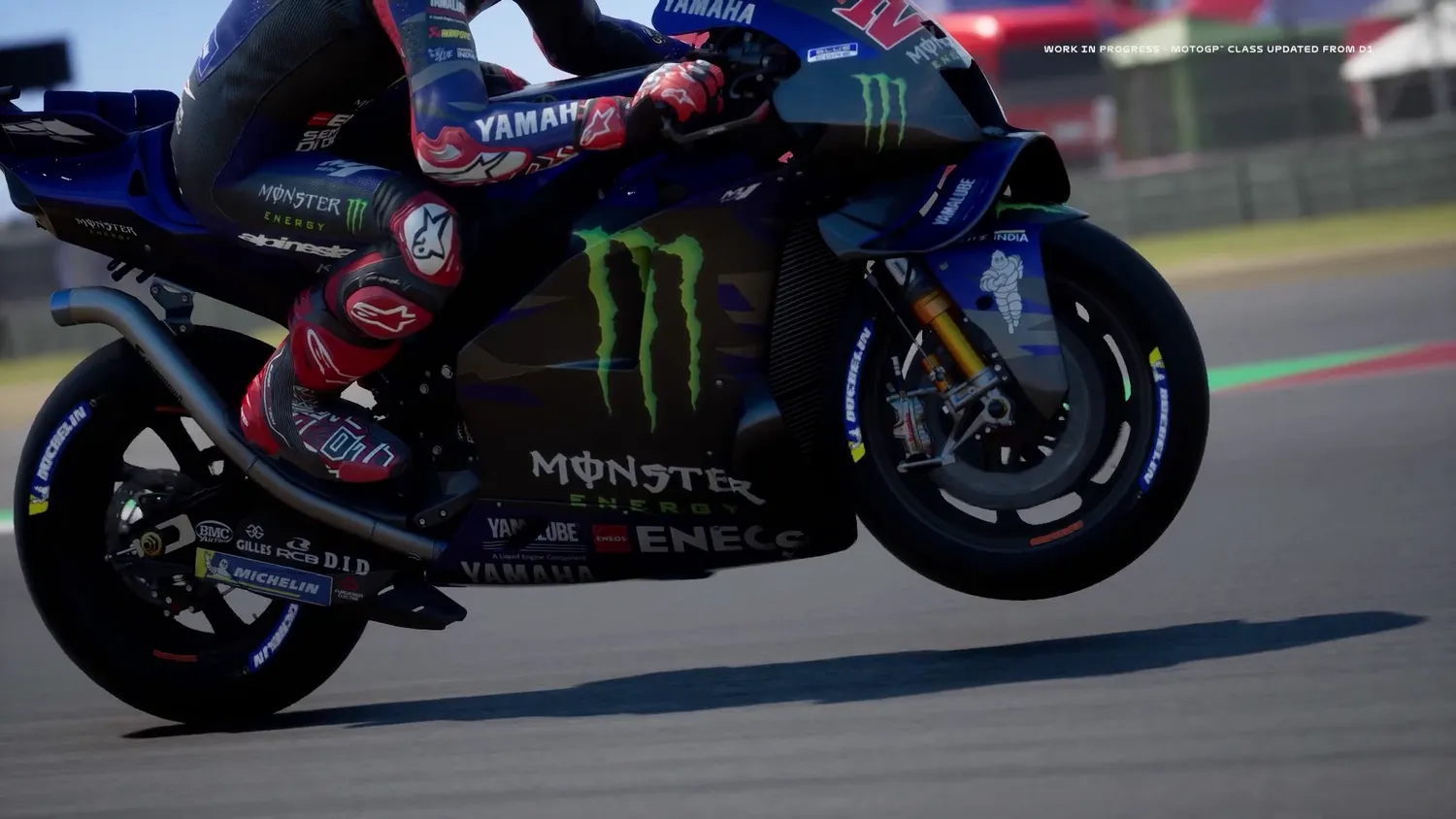
But none have lingered in my mind the way MotoGP 25 has. I find myself thinking about track layouts during my commute. Wondering if I could shave time off Sector 3 in Assen. Replaying old crashes in my head to decode what I did wrong.
There’s a depth here that goes beyond simulation. It’s about focus. Precision. Self-improvement.
And that makes it one of the most valuable games I’ve ever played — not just in terms of buying games that are worth your time, but in how they shape how you use your time.
Final Thought: You Don’t Need to Be a MotoGP Fan — Just Someone Who Wants to Improve
MotoGP 25 isn’t just for motorsport obsessives. It’s for anyone who wants a challenge that respects their intelligence. It’s for anyone who’s tired of games that over-reward mediocrity. It’s for people who know that the best kind of growth is slow, difficult, and deeply satisfying.
If you’re browsing for cheap games that don’t treat you like a consumer — but as a learner — this is one to consider.
It might frustrate you. But it might also make you better.
And really, what more can you ask from a game?