Safety matches are a staple in households, emergency kits, and outdoor adventures. They offer a reliable, safe way to start a fire, thanks to their special design and chemical composition. But have you ever wondered how safety matches are made? From raw materials to the finished product, manufacturing safety matches is an intricate process that combines chemistry, engineering, and precision. In this step-by-step guide, we'll take you through the process of how safety matches are manufactured by top safety matches manufacturers.
Step 1: Sourcing the Materials
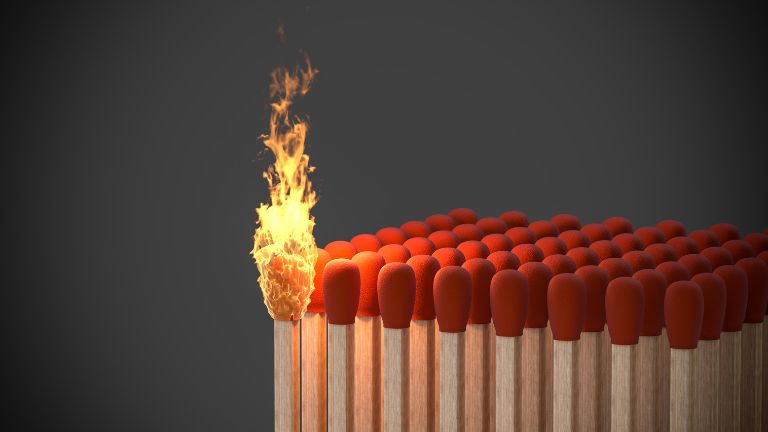
The first step in manufacturing safety matches is sourcing the raw materials. The primary ingredients for the match head include:
Potassium chlorate: A key oxidizer that helps the match burn.
Sulfur: Contributes to the ignition process and gives matches their characteristic smell.
Glass powder: Adds friction to the match head, helping it ignite when struck.
Red phosphorus: Coats the striking surface of the matchbox and is essential for ignition.
Binders and fillers: Help to hold the ingredients together and give the match its shape and stability.
In addition to these ingredients, the matchstick itself is usually made from softwood like pine or aspen, which is chosen for its lightweight and easy-to-burn properties.
Step 2: Preparing the Matchsticks
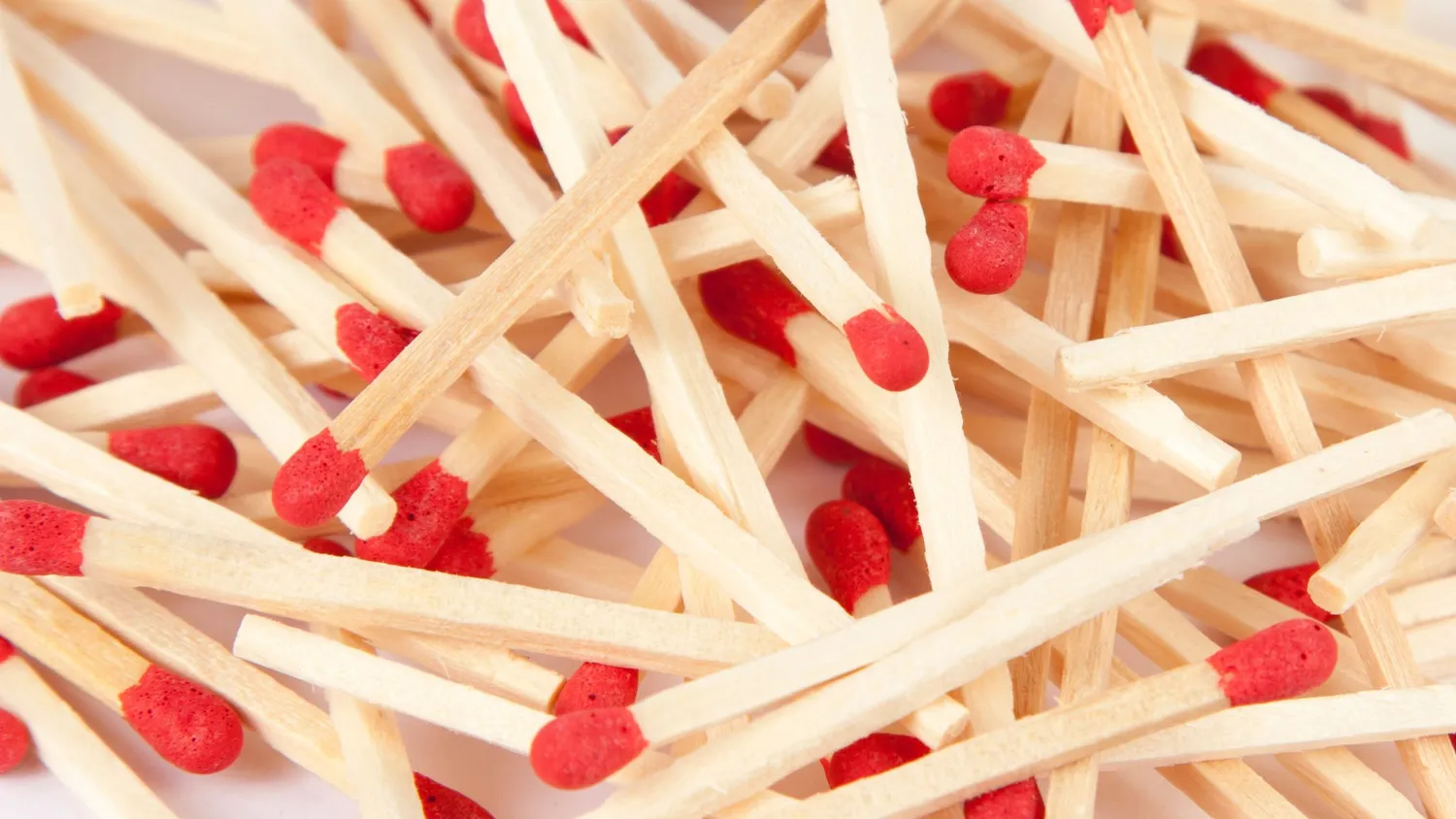
Once the raw materials are sourced, the next step is preparing the wooden matchsticks. Logs of softwood are first cut into small, uniform pieces. These pieces are then sliced into thin sticks, usually about 4 to 5 cm long, using specialized machinery. The sticks are carefully treated to remove any impurities and smoothen their surfaces.
In some modern production processes, matchsticks may be made from paper or other materials, buy wooden sticks remain the most common choice due to their ease of use and cost-effectiveness.
Step 3: Mixing the Ingredients
The ingredients for the match head are then carefully mixed together to form a paste. The key to a good safety match head is ensuring that the chemicals are mixed in the right proportions. Too much oxidizer or sulfur can cause the match to burn too quickly or even become dangerous, while too little can result in a match that fails to ignite.
Once mixed, the paste is applied to the top of the matchstick using a machine that coats the sticks evenly and precisely. This process ensures that every match has the correct amount of active ingredients needed to ignite when struck.
Step 4: Drying the Matchsticks
After the matchstick heads are coated, they must be dried in a controlled environment. This step ensures that the match heads are fully hardened and ready for use. The drying process can take several hours, and the matches are often heated in drying chambers to remove any excess moisture. This helps the matches maintain their integrity and ensures that the match heads don’t crumble or break easily during handling.
Step 5: Adding the Striking Surface
The striking surface on a matchbox is just as important as the match head itself. It’s where the match meets friction, allowing it to ignite. The striking surface is typically made from red phosphorus, which reacts with the chemicals on the match head to produce the heat needed to start the fire.
Once the matchsticks have dried, the matchboxes are carefully coated with a special mixture that includes red phosphorus, glass powder, and other friction-producing ingredients. This surface is then allowed to dry to ensure it’s both functional and safe for use.
Step 6: Quality Control and Testing
At this stage, the matches undergo a rigorous quality control process. Samples are taken to test their ignition efficiency, burn time, and durability. A match that doesn’t ignite properly or breaks too easily isn’t suitable for sale. Safety matches manufacturers perform extensive testing to ensure that every match adheres to strict safety standards. Some manufacturers also perform safety tests, where matches are deliberately exposed to extreme conditions, such as humidity or high temperatures, to ensure that they remain reliable in different environments.
Step 7: Packaging and Distribution
After passing the quality control tests, the matches are ready for packaging. The matchsticks are carefully counted and placed into boxes. Some matchsticks are bundled into small packs, while others are packed into larger boxes for bulk distribution. Each matchbox is printed with the company’s branding and safety instructions, and the final product is sealed to prevent damage during transit.
The packaged safety matches are then distributed to retailers, wholesalers, and consumers worldwide, ready for use in homes, offices, or outdoor adventures.
Conclusion
The manufacturing of safety matches involves a precise combination of materials, techniques, and safety protocols to ensure that every match is reliable and safe to use. From the careful selection of raw materials to the rigorous quality testing, the production process is a delicate balance of chemistry and craftsmanship. When looking for high-quality safety matches, choosing trusted safety matches manufacturers who adhere to strict safety and manufacturing standards is crucial.