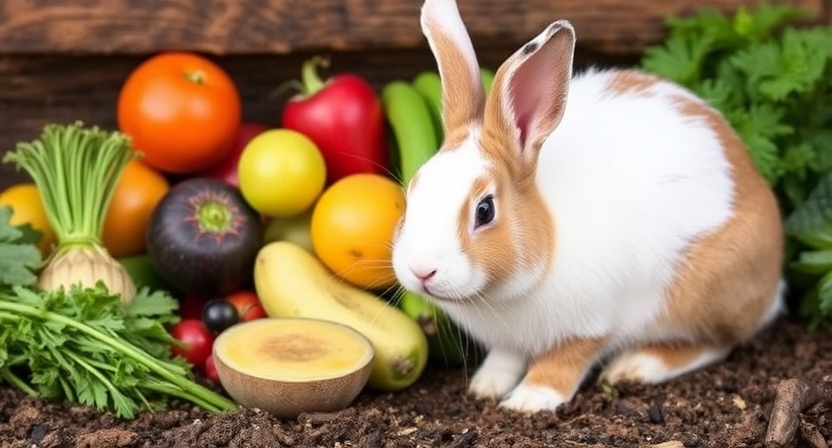
Rabbits are delightful pets known for their adorable twitching noses and friendly personalities. As herbivores, their diet plays a crucial role in their overall health and happiness. A proper understanding of what fruit and vegetables are suitable for daily consumption ensures your rabbit remains healthy and well-nourished. This blog will guide you through the best fruit and vegetables for your rabbit and offer tips on providing a balanced diet.
The Basics of a Rabbit’s Diet
Before diving into specific fruits and vegetables, it’s essential to understand the fundamental components of a rabbit’s diet:
- Hay: The cornerstone of a rabbit’s diet, high-quality hay (such as Timothy or orchard grass) should make up around 80% of their daily intake. Hay aids digestion and keeps their teeth healthy.
- Fresh Vegetables: These provide essential nutrients, vitamins, and hydration. Veggies should constitute about 10-15% of a rabbit’s daily diet.
- Pellets: Commercial rabbit pellets offer a concentrated source of nutrients but should only be given in moderation (approximately 5% of the diet).
- Fruit: While fruit can be a healthy treat, it contains natural sugars and should be given sparingly.
- Water: Fresh, clean water must always be available.
Vegetables Rabbits Can Eat Daily
Not all vegetables are suitable for rabbits. Some are ideal for daily feeding, while others should only be given occasionally. Here are some of the best veggies for everyday consumption:
Leafy Greens
- Romaine Lettuce: A safe and nutritious option, romaine lettuce is high in water content and fiber.
- Kale: Packed with vitamins A, C, and K, kale is excellent but should be rotated with other greens due to its calcium content.
- Cilantro: This fragrant herb is a rabbit favorite, providing a fresh taste and essential nutrients.
- Parsley: Rich in vitamins and minerals, parsley is another great daily option.
- Spinach: Although high in oxalates, small amounts can be given as part of a balanced diet.
- Dandelion Greens: These are a fantastic source of fiber and antioxidants.
- Arugula: This peppery green is rich in calcium and provides variety.
Non-Leafy Vegetables
- Bell Peppers: All colors of bell peppers are safe and provide a good source of vitamin C.
- Zucchini: Low in calories and high in water, zucchini makes a great addition.
- Carrot Tops: The leafy green tops of carrots are more nutritious and less sugary than the root.
- Cucumber: This hydrating vegetable is ideal for hot days but should be balanced with fiber-rich foods.
- Celery: Cut into small pieces to avoid stringy fibers causing issues.
Fruits Rabbits Can Eat in Moderation
Fruits are best regarded as treats due to their sugar content. Offer fruit in small portions, about 1-2 tablespoons per 5 pounds of body weight per day. Here are some rabbit-safe options:
- Apples: Remove seeds and stems before feeding as they can be toxic.
- Bananas: A small slice provides a sweet treat.
- Strawberries: These are loved by rabbits and packed with antioxidants.
- Blueberries: Rich in vitamins and low in calories, blueberries are a great occasional treat.
- Pineapple: High in natural enzymes, a small piece can aid digestion.
- Watermelon: The rind is healthier than the flesh due to lower sugar content.
- Papaya: Known for its digestive benefits, papaya can be offered sparingly.
- Pear: Like apples, ensure seeds and cores are removed.
Vegetables and Fruits to Avoid
Some foods can be harmful to rabbits and should be avoided entirely:
- Iceberg Lettuce: It contains high water content but lacks nutrients and can cause diarrhea.
- Potatoes: Starchy and difficult for rabbits to digest.
- Tomatoes: The fruit is safe in small amounts, but leaves and stems are toxic.
- Rhubarb: Highly toxic to rabbits and should never be fed.
- Avocado: Contains persin, which is toxic to rabbits.
- Onions and Garlic: These can cause digestive upset and are potentially toxic.
Tips for Feeding Fruits and Vegetables to Rabbits
- Introduce New Foods Gradually: Sudden dietary changes can upset a rabbit’s sensitive digestive system. Introduce new fruits and vegetables one at a time and monitor for any adverse reactions.
- Wash Thoroughly: Always wash produce to remove pesticides or contaminants.
- Serve at Room Temperature: Avoid offering cold fruits or vegetables straight from the refrigerator.
- Portion Control: Remember that overfeeding even healthy foods can lead to obesity or digestive problems.
- Observe Preferences: Every rabbit is unique. Pay attention to your rabbit’s likes and dislikes while ensuring variety.
- Avoid Mixing: Feed one type of new food at a time to make it easier to identify any potential issues.
A Sample Daily Feeding Plan
- Morning: Unlimited hay and a handful of leafy greens (e.g., romaine lettuce, kale, and cilantro).
- Afternoon: A small serving of non-leafy vegetables (e.g., zucchini or bell peppers).
- Evening: Hay replenished and a small treat of fruit (e.g., a slice of banana or a few blueberries).
Conclusion
Providing your rabbit with a balanced diet of hay, vegetables, and occasional fruits is essential for their health and happiness. While it can be tempting to offer them a variety of treats, remember that moderation is key. By understanding what fruits and vegetables rabbits can eat daily, you’ll ensure your furry friend lives a long, healthy life. Always consult with a veterinarian for any concerns or questions about your rabbit’s diet.