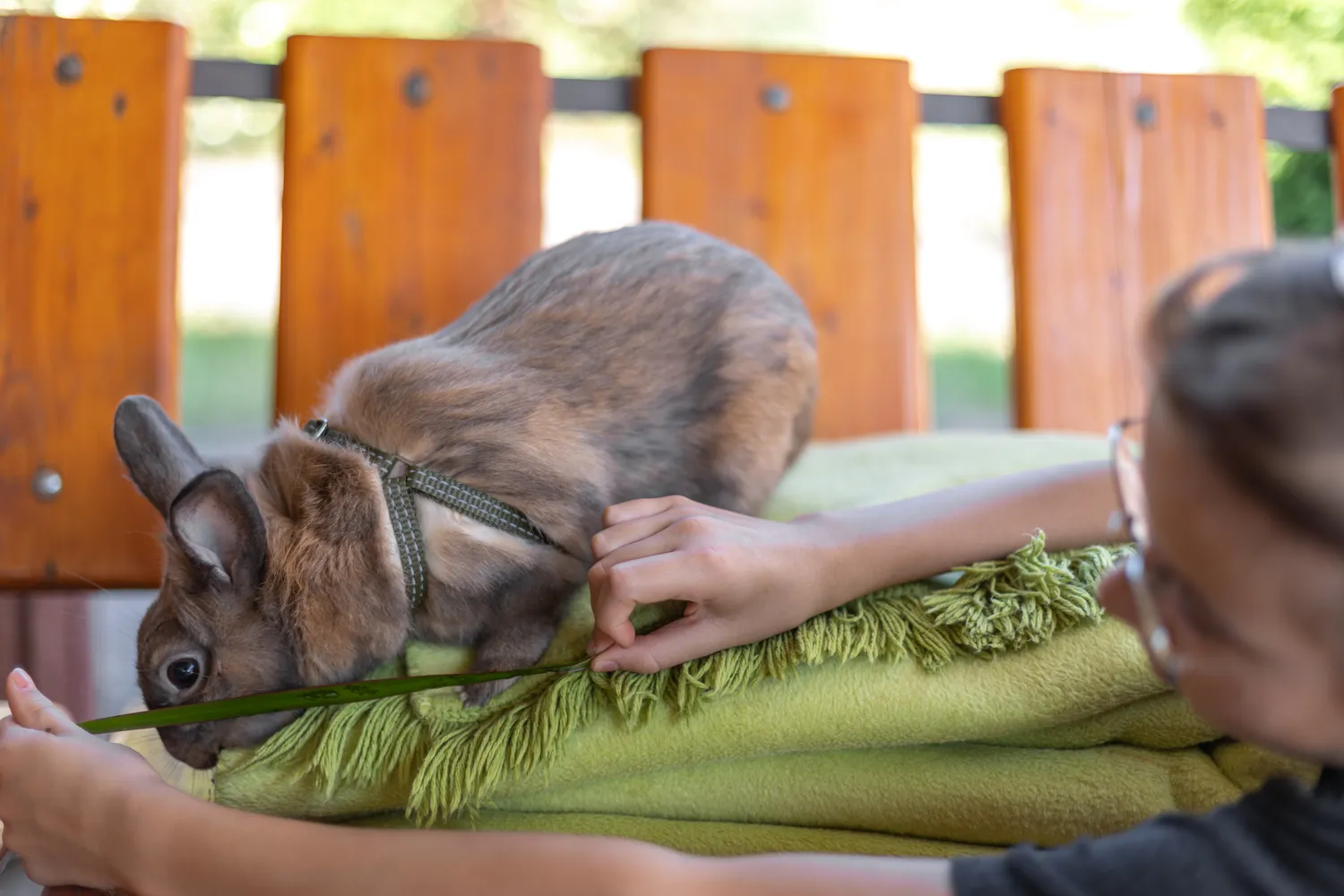
Rabbits are charming, low-maintenance pets known for their playful behavior and soft, cuddly fur. Yet, providing the right care, including proper nutrition, is crucial for keeping them healthy and happy. Hay, a staple in a rabbit’s diet, plays an essential role in maintaining their digestive health, teeth condition, and overall well-being. If you're wondering how much hay your rabbit consumes per month, this guide will help you understand the factors influencing their consumption and ensure you’re adequately prepared to meet their needs.
Why Is Hay Important for Rabbits?
Hay is the foundation of a rabbit’s diet, making up around 80-90% of their daily intake. It provides essential fiber, which is vital for a rabbit’s digestive system. Without adequate fiber, rabbits can develop gastrointestinal stasis—a potentially life-threatening condition where the digestive system slows down or stops.
Additionally, chewing hay helps wear down a rabbit’s continuously growing teeth, preventing dental problems such as overgrown incisors. Hay also keeps rabbits engaged and satisfies their natural foraging instincts, contributing to their mental well-being.
Factors Influencing Hay Consumption
Several factors can affect how much hay a rabbit consumes in a month. These include:
- Size and Breed: Larger breeds like Flemish Giants consume more hay than smaller breeds such as Netherland Dwarfs.
- Age: Young, growing rabbits and adult rabbits may consume hay differently based on their energy needs.
- Health Status: A healthy rabbit will generally consume more hay compared to one that is ill or stressed.
- Quality of Hay: High-quality hay that is fresh, green, and fragrant is more palatable, encouraging rabbits to eat more.
- Availability of Other Foods: If rabbits have unlimited access to pellets, vegetables, or treats, they may eat less hay. Limiting these supplementary foods is important to encourage hay consumption.
Estimating Monthly Hay Consumption
On average, an adult rabbit eats its body weight in hay every month. This is a useful guideline to estimate how much hay you’ll need:
- A small rabbit weighing around 2 pounds may eat approximately 2 pounds of hay per month.
- A medium-sized rabbit weighing 5 pounds will likely consume around 5 pounds of hay per month.
- A large rabbit weighing 10 pounds might need as much as 10 pounds of hay monthly.
It’s important to provide unlimited hay so your rabbit can eat as much as they need. Restricting hay can lead to health problems.
Types of Hay Suitable for Rabbits
Not all hay is the same, and choosing the right type is crucial for your rabbit’s health. The most common types of hay for rabbits include:
- Timothy Hay: A popular choice, Timothy hay is high in fiber and has a balanced nutritional profile. It’s suitable for rabbits of all ages.
- Orchard Grass Hay: A softer alternative to Timothy hay, orchard grass is an excellent option for rabbits who may prefer a different texture.
- Meadow Hay: A mix of grasses, meadow hay provides variety and is often enjoyed by picky eaters.
- Alfalfa Hay: High in protein and calcium, alfalfa hay is suitable for young, growing rabbits or pregnant and nursing females. It should be limited for adult rabbits as it can contribute to obesity and urinary issues.
How to Store Hay
Proper storage ensures that hay remains fresh and nutritious. Here are some tips:
- Store hay in a cool, dry place away from direct sunlight.
- Use breathable containers like cardboard boxes or fabric bags to prevent mold.
- Avoid plastic bags, as they trap moisture and can lead to spoilage.
- Purchase hay in manageable quantities to maintain freshness.
Tips for Encouraging Hay Consumption
If your rabbit isn’t eating enough hay, try these strategies:
- Offer Different Types: Experiment with different hay varieties to find your rabbit’s preference.
- Provide Fresh Hay Daily: Rabbits are more likely to eat fresh hay, so replenish their supply regularly.
- Limit Pellets and Treats: Reducing the availability of other foods encourages hay consumption.
- Place Hay Strategically: Put hay in areas where your rabbit spends most of their time, such as near their litter box.
- Mix with Treats: Hide small pieces of dried herbs or rabbit-safe treats in the hay to make it more enticing.
Monthly Cost of Hay
The cost of hay depends on the type and where you purchase it. A 10-pound bag of Timothy hay typically costs between $15 and $25. For a medium-sized rabbit consuming 5 pounds of hay per month, this translates to $7.50 to $12.50 monthly. Buying hay in bulk or sourcing it from local farms can help reduce costs.
Signs Your Rabbit Is Eating Enough Hay
Monitor your rabbit to ensure they’re consuming enough hay. Positive signs include:
- Regular, firm droppings—a sign of a healthy digestive system.
- Consistent chewing and foraging behavior.
- Healthy weight and active behavior.
If your rabbit isn’t eating enough hay, consult a veterinarian to rule out health issues.
Conclusion
Providing unlimited access to high-quality hay is one of the most important things you can do for your rabbit. By understanding their monthly hay consumption needs and making adjustments based on their size, age, and preferences, you can ensure your rabbit stays healthy and happy. With proper care and attention to their dietary needs, your furry friend will thrive and bring you joy for many years to come.