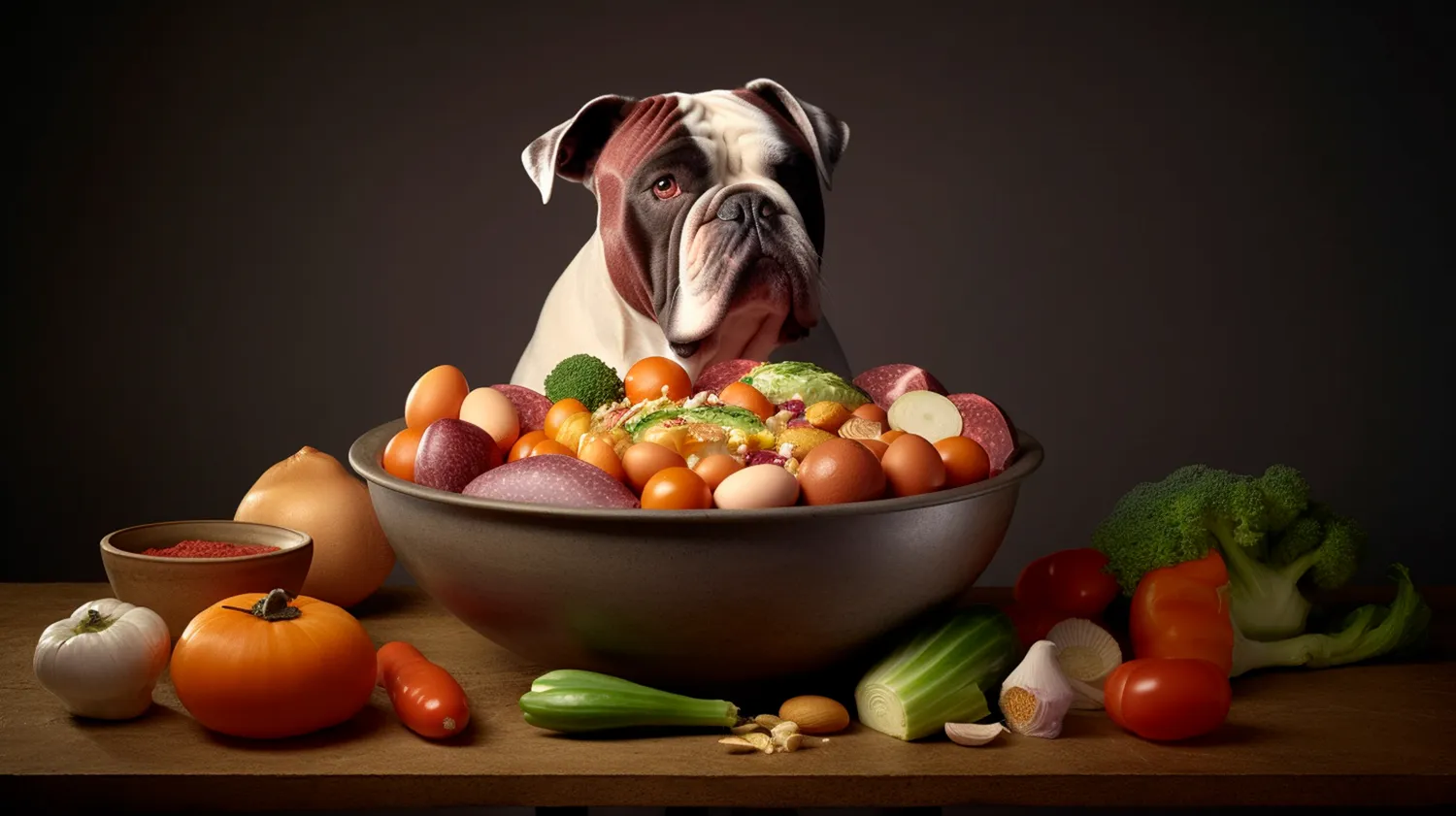
Dogs are beloved companions, and as responsible pet owners, it’s natural to want to share our food with them. However, not all human foods are safe for dogs. While many fruits and vegetables can be nutritious and beneficial, some can pose serious health risks. In this blog post, we’ll explore the fruits and vegetables that dogs should not eat, the reasons behind their toxicity, and safer alternatives to keep your furry friend happy and healthy.
Why Are Some Fruits and Vegetables Harmful to Dogs?
Dogs have different digestive systems and metabolisms compared to humans. While our bodies can process certain compounds in food safely, dogs may lack the enzymes or physiological mechanisms required to handle these substances. This can lead to symptoms ranging from mild stomach upset to severe poisoning or even death.
Toxins, high sugar content, or choking hazards are common reasons why certain fruits and vegetables are unsafe for dogs. It’s crucial to understand these risks and keep harmful foods out of your pet’s reach.
Fruits That Dogs Should Avoid
1. Grapes and Raisins
Why They’re Harmful:
Grapes and raisins can cause acute kidney failure in dogs. Even small amounts can be toxic, though the exact compound responsible for their toxicity is still unknown.
Symptoms of Toxicity:
- Vomiting
- Diarrhea
- Lethargy
- Dehydration
- Decreased urination
Tip: Keep all forms of grapes, raisins, and products containing them (like raisin bread) away from your dog.
2. Cherries
Why They’re Harmful:
The pits, stems, and leaves of cherries contain cyanide, a toxic compound that can interfere with oxygen transport in your dog’s body.
Symptoms of Toxicity:
- Difficulty breathing
- Bright red gums
- Dilated pupils
- Weakness
Tip: If you want to share cherries with your dog, ensure the fruit is completely pit-free, though it’s better to avoid them altogether.
3. Avocado
Why They’re Harmful:
Avocado contains persin, a toxin that can cause vomiting and diarrhea in dogs. While the flesh is less toxic than the pit, stem, and leaves, it’s still best avoided.
Symptoms of Toxicity:
- Vomiting
- Diarrhea
- Abdominal pain
Tip: Avoid giving your dog avocado or any guacamole containing it.
4. Citrus Fruits (Lemons, Limes, Oranges)
Why They’re Harmful:
The peels, seeds, and leaves of citrus fruits contain essential oils and psoralens, which can cause gastrointestinal distress and central nervous system depression in large quantities.
Symptoms of Toxicity:
- Vomiting
- Diarrhea
- Tremors
Tip: Small amounts of orange flesh may be safe, but it’s best to steer clear of citrus fruits entirely.
5. Unripe Tomatoes
Why They’re Harmful:
Unripe tomatoes and tomato plants contain solanine, a compound toxic to dogs.
Symptoms of Toxicity:
- Drooling
- Lethargy
- Weakness
Tip: Ripe tomatoes are generally safe in moderation, but avoid unripe ones and the green parts of the plant.
Vegetables That Dogs Should Avoid
1. Onions and Garlic
Why They’re Harmful:
Onions, garlic, and related plants (like shallots and leeks) contain thiosulfates, which can cause oxidative damage to red blood cells, leading to hemolytic anemia.
Symptoms of Toxicity:
- Weakness
- Pale gums
- Increased heart rate
- Collapse
Tip: Avoid all forms of onions and garlic, including powdered or cooked versions.
2. Mushrooms (Wild or Unknown Types)
Why They’re Harmful:
While some store-bought mushrooms are safe, wild mushrooms can be extremely toxic. Different types of mushrooms have varying toxins, some of which can cause liver failure or death.
Symptoms of Toxicity:
- Vomiting
- Seizures
- Liver damage
- Death
Tip: Stick to dog-safe, store-bought varieties and avoid letting your dog forage for mushrooms outdoors.
3. Rhubarb
Why They’re Harmful:
Rhubarb leaves contain oxalates, which can cause kidney failure and other serious symptoms in dogs.
Symptoms of Toxicity:
- Drooling
- Tremors
- Kidney failure
Tip: Never allow your dog to eat rhubarb, especially the leaves.
4. Potatoes (Raw or Green)
Why They’re Harmful:
Raw potatoes and green potato skins contain solanine, a toxic compound. Cooking reduces solanine levels, but it’s still best to avoid feeding potatoes to dogs.
Symptoms of Toxicity:
- Vomiting
- Diarrhea
- Weakness
Tip: If you want to give your dog a potato treat, ensure it’s cooked and free of seasoning.
5. Corn on the Cob
Why They’re Harmful:
While corn itself isn’t toxic, the cob poses a significant choking hazard and can cause intestinal blockages.
Symptoms of Blockage:
- Vomiting
- Constipation
- Abdominal pain
Tip: Feed plain, cooked corn kernels if you want to share this vegetable with your dog.
General Tips for Feeding Fruits and Vegetables to Dogs
- Wash Thoroughly: Always wash fruits and vegetables to remove pesticides and chemicals.
- Remove Seeds and Pits: Seeds and pits can be choking hazards or toxic.
- Serve in Moderation: Too much fruit or vegetable can cause digestive upset.
- Avoid Seasonings: Stick to plain, unseasoned options. Ingredients like salt, sugar, and spices can be harmful.
Safer Alternatives for Dogs
If you’re looking for dog-friendly fruits and vegetables, here are some safe options:
- Fruits: Apples (seedless), blueberries, watermelon (seedless), bananas.
- Vegetables: Carrots, green beans, sweet potatoes (cooked), zucchini.
These can be offered as occasional treats, ensuring they’re cut into manageable sizes.
Conclusion
Knowing which fruits and vegetables are unsafe for dogs can prevent accidental poisoning and keep your pet healthy. Always double-check before introducing new foods into your dog’s diet and consult your veterinarian if you’re unsure. By being informed and cautious, you can ensure your furry friend enjoys a safe and nutritious diet.