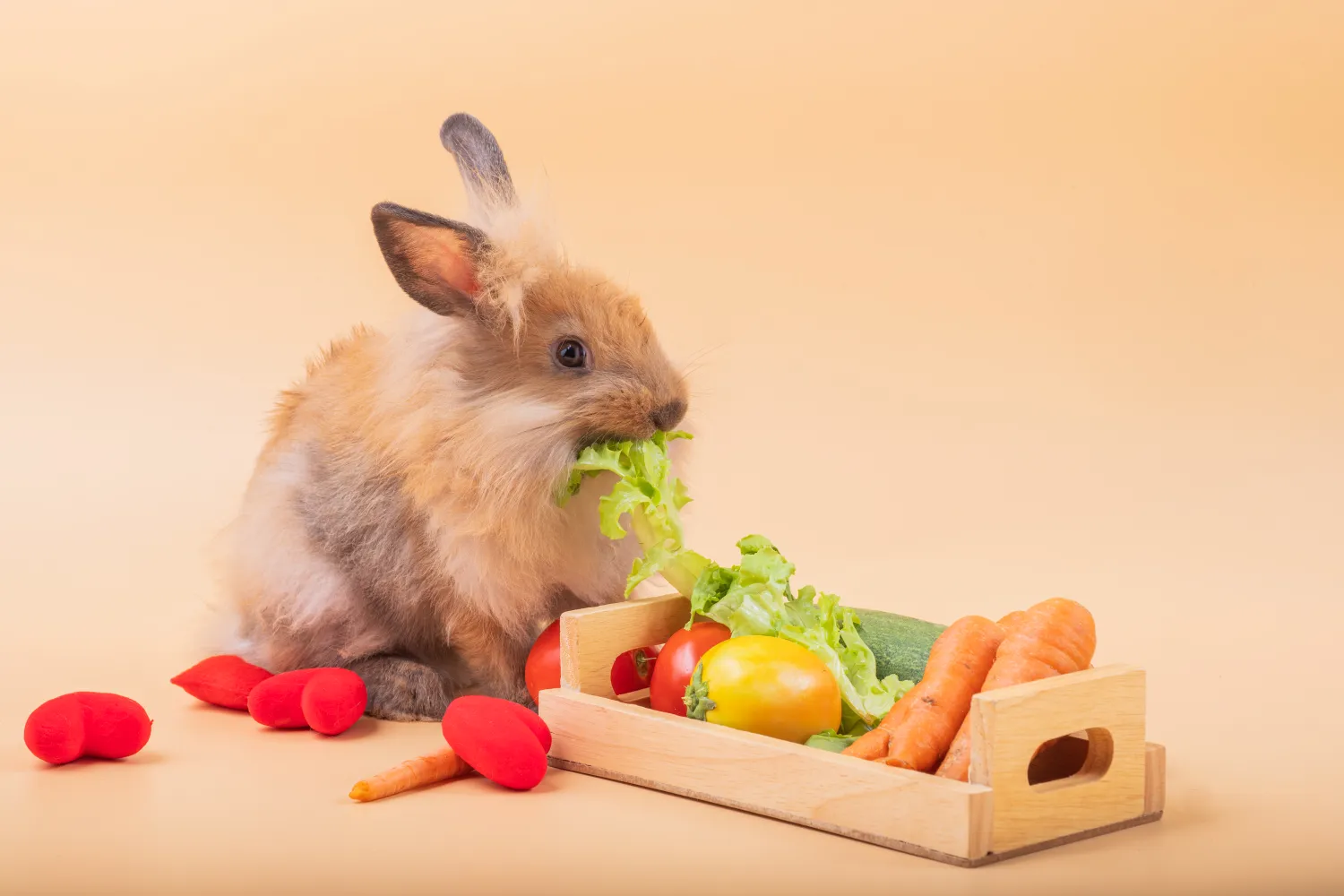
How Many Times a Day Should I Feed My Rabbit Vegetables? feeding your rabbit is not just about providing nourishment; it’s about ensuring they have a balanced diet to maintain good health and happiness. A key component of a rabbit’s diet is fresh vegetables, but rabbit owners often wonder how often and how much to feed them. Striking the right balance is crucial to meet their dietary needs without overfeeding.
In this blog, we’ll explore how often you should feed your rabbit vegetables, what types of vegetables are suitable, and tips for maintaining a healthy feeding schedule.
Understanding a Rabbit’s Diet
Before determining how often to feed your rabbit vegetables, it’s essential to understand their overall dietary requirements. A healthy rabbit’s diet typically consists of:
- Hay (75-80%)
High-quality hay, such as timothy, meadow, or orchard grass, should make up the majority of their diet. Hay aids in digestion and keeps their teeth healthy. - Fresh Vegetables (10-15%)
Fresh vegetables provide essential vitamins and nutrients. They also add variety to their diet, keeping your rabbit interested in their meals. - Pellets (5-10%)
High-fiber pellets can supplement their diet, but they should be given in moderation. - Fresh Water
Clean water should always be available. - Occasional Treats (<5%)
Fruits and other treats should be offered sparingly due to their high sugar content.
How Often Should Rabbits Eat Vegetables?
General Guidelines
Rabbits should be fed vegetables once or twice a day as part of their regular diet. However, the frequency depends on your rabbit’s age, size, and health.
Morning and Evening Feeding
Many rabbit owners prefer to divide vegetable servings into two meals per day—once in the morning and once in the evening. Splitting the servings ensures your rabbit doesn’t go too long without fresh food, promotes better digestion, and aligns with their natural grazing behavior.
How Much Vegetables Should You Feed?
The general rule of thumb is to provide approximately 1 cup of vegetables per 2 pounds of body weight daily. This portion can be split into two smaller meals if feeding twice a day.
For example:
- A 4-pound rabbit may eat about 2 cups of vegetables per day.
- A 6-pound rabbit may require around 3 cups of vegetables per day.
What Vegetables Are Safe for Rabbits?
Not all vegetables are suitable for rabbits. Some can upset their stomachs or be toxic. Below is a list of rabbit-safe vegetables and those to avoid.
Rabbit-Safe Vegetables
Leafy Greens (Staples)
- Romaine lettuce
- Kale (in moderation)
- Spinach (in moderation)
- Arugula
- Cilantro
- Parsley
- Endive
- Basil
Other Vegetables (In Moderation)
- Carrots (high in sugar, so treat them as a snack)
- Bell peppers
- Zucchini
- Cucumber
- Broccoli leaves (avoid stems and tops)
- Brussels sprouts
- Celery (cut into small pieces to prevent choking)
Vegetables to Avoid
- Iceberg lettuce (low in nutrients, may cause diarrhea)
- Potato and potato peels
- Onions, garlic, and chives
- Rhubarb
- Tomato leaves and stems (the fruit is safe in small amounts)
- Beans and peas
Age-Based Feeding Recommendations
Young Rabbits (Under 3 Months)
Young rabbits should primarily consume mother’s milk, followed by hay and pellets. Vegetables can be introduced around 12 weeks of age, starting with small amounts of a single type to monitor their digestion.
Adult Rabbits (3 Months and Older)
Adult rabbits thrive on a diet rich in hay, supplemented with vegetables. Offer a variety of vegetables daily to ensure a balanced intake of nutrients.
Senior Rabbits (5+ Years)
Older rabbits may require adjustments to their diet based on their health. Consult your veterinarian to determine the right balance of vegetables, especially if your rabbit has dental or digestive issues.