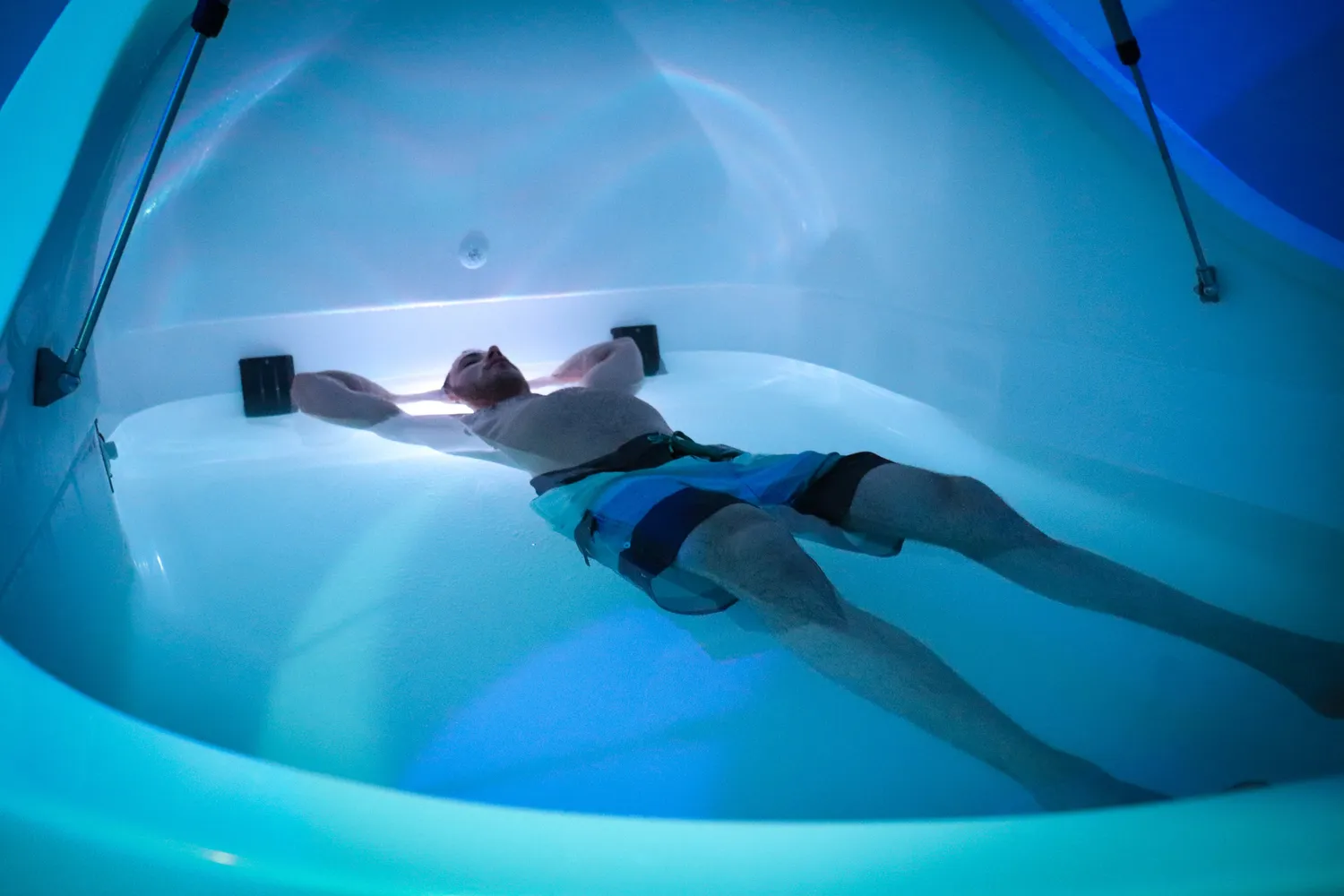
Float therapy, also known as sensory deprivation or isolation tank therapy, is a popular method for stress relief and relaxation. Here are steps on how to relieve stress with float therapy:
1. Choose a Reputable Float Center:
- Research and select a reputable float center in your area. Ensure that they maintain clean, well-maintained float tanks.
2. Schedule a Session:
- Book a float therapy session at a time when you can enjoy uninterrupted relaxation. Sessions typically last around 60 to 90 minutes.
3. Prepare Mentally:
- Before your session, take a few moments to clear your mind. Set an intention for your float session, whether it's to relax, release tension, or simply enjoy the experience.
4. Hygiene Routine:
- Follow the float center's hygiene guidelines. Shower thoroughly before entering the float tank to remove oils, lotions, and other substances from your skin and hair.
5. Enter the Float Tank:
- Enter the float tank, which is filled with a buoyant solution of water and Epsom salt. The buoyancy allows you to effortlessly float on the surface.
6. Adjust to Sensory Deprivation:
- Initially, you may experience a period of adjustment to the sensory-deprived environment. The tank is designed to minimize external stimuli, providing a quiet and dark space for relaxation.
7. Focus on Your Breath:
- Once settled, focus on your breath. Practice deep, slow breathing to help activate the body's relaxation response and calm the nervous system.
8. Let Go of Tension:
- Allow your body to fully relax. Release tension in your muscles, starting from your toes and working your way up to your head. Feel the weightlessness of floating in the tank.
9. Explore Mindfulness or Meditation:
- Use the float session as an opportunity for mindfulness or meditation. Bring your attention to the present moment, letting go of thoughts and worries.
10. Visualize Positive Imagery:
- Visualize calming and positive imagery during your float. This can enhance the relaxation response and contribute to stress relief.
11. Embrace the Silence:
- Enjoy the silence within the float tank. Disconnect from external noise and distractions, allowing your mind to enter a state of profound relaxation.
12. Exit Slowly:
- When your session is complete, exit the float tank slowly. Take your time getting up to avoid any dizziness that may occur after the weightlessness of the float.
13. Hydrate and Reflect:
- Drink water to stay hydrated after your float. Take a moment to reflect on the experience and notice any positive changes in your mental and physical state.
Float therapy can be a powerful tool for stress relief, providing a unique environment for deep relaxation and mental rejuvenation. Consistent float sessions may offer cumulative benefits in managing stress and promoting overall well-being.