Maintaining high standards of quality is a critical requirement for organizations operating in regulated industries. A well-designed Quality Management System (QMS) provides the structure needed to ensure consistency, compliance, and continuous improvement across all business processes.
As regulatory expectations grow and competition intensifies, companies are turning to advanced Quality Management System solutions to stay compliant while improving operational performance.
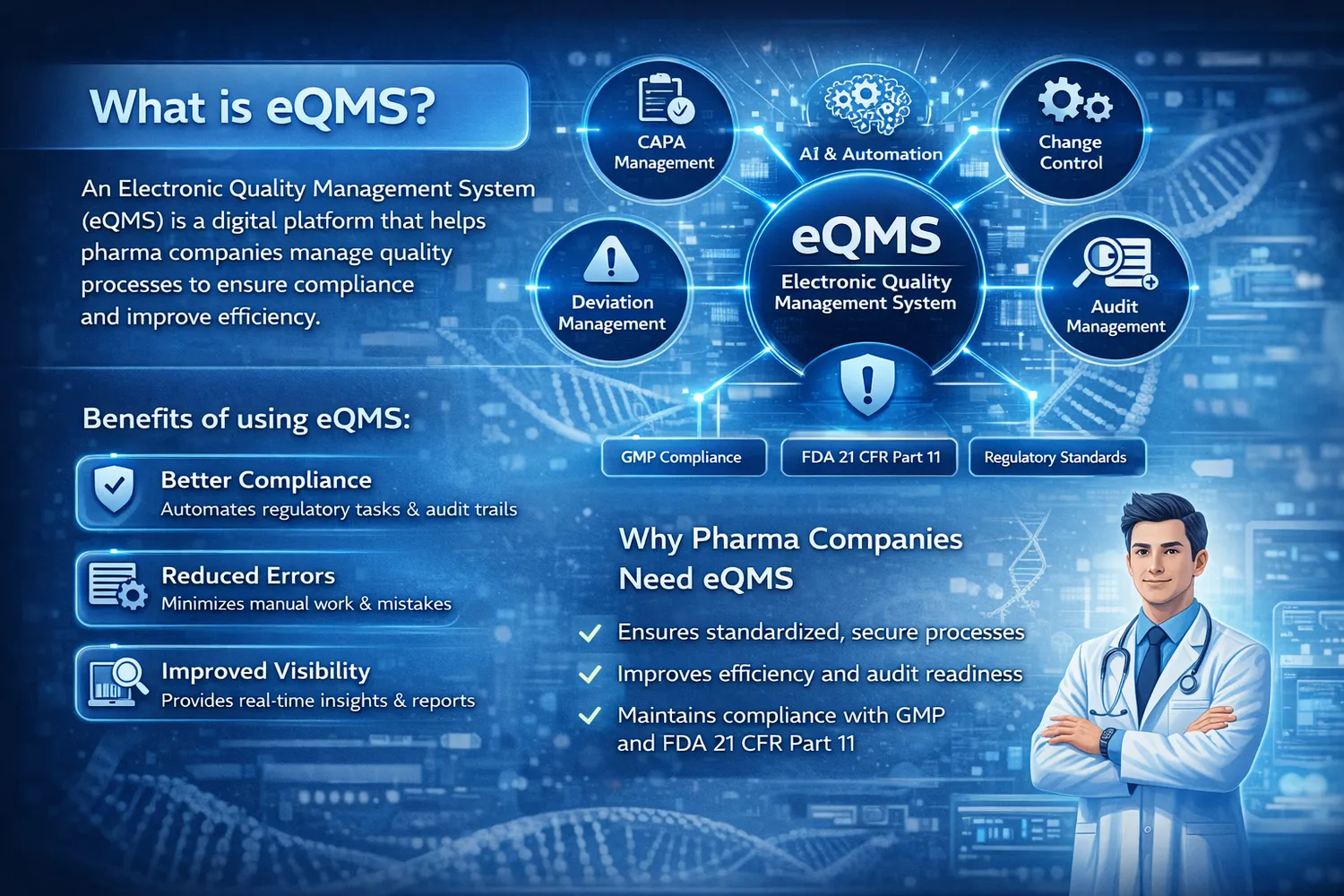
Defining a Quality Management System
A Quality Management System is a coordinated set of processes, policies, and tools that help organizations meet quality objectives and regulatory requirements. It acts as a centralized framework that ensures all quality-related activities are controlled, documented, and monitored effectively.
From managing documentation to handling audits and risk, a QMS ensures that quality is embedded into every stage of operations.
The Role of a Quality Management System in Modern Organizations
A Quality Management System plays a vital role in aligning business operations with quality standards. It helps organizations:
- Maintain consistency in processes and outputs
- Ensure compliance with regulatory requirements
- Improve transparency and accountability
- Reduce operational risks and inefficiencies
- Support continuous improvement initiatives
By implementing a structured QMS, organizations can move from fragmented quality practices to a unified approach.
Essential Elements of a Quality Management System
An effective Quality Management System includes several interconnected components that support end-to-end quality management:
Document Control System
Ensures proper management of documents, including version control, approvals, and access.
Deviation Management
Captures and investigates deviations to maintain compliance and improve processes.
CAPA System
Enables organizations to identify root causes and implement corrective and preventive actions.
Audit Management
Supports internal and external audits with organized documentation and tracking.
Change Management
Ensures that any changes are evaluated, approved, and implemented in a controlled manner.
Risk-Based Approach
Focuses on identifying and mitigating risks before they impact product quality.
Moving Toward Digital QMS Solutions
The shift from manual to digital systems has transformed the effectiveness of the Quality Management System. Digital QMS platforms offer:
- Automated workflows that reduce manual intervention
- Real-time data access for faster decision-making
- Centralized systems for better traceability
- Improved collaboration across departments
These systems not only enhance efficiency but also ensure greater accuracy and reliability.
Intelligent Quality Management with Advanced Technologies
Modern organizations are leveraging advanced technologies to strengthen their Quality Management System. With the integration of AI and analytics, businesses can:
- Predict potential quality issues before they occur
- Analyze trends and identify improvement opportunities
- Automate routine quality tasks
- Enhance overall decision-making capabilities
This shift toward intelligent quality management allows companies to be proactive rather than reactive.
Key Benefits of a Quality Management System
A robust Quality Management System delivers multiple advantages that impact both compliance and business growth:
- Improved product quality and consistency
- Reduced risk of non-compliance
- Faster resolution of quality issues
- Increased operational efficiency
- Better customer satisfaction and trust
Organizations that prioritize quality management are better positioned to succeed in competitive markets.
Compliance with Global Standards
A strong Quality Management System helps organizations meet international regulatory requirements, including:
- ISO 9001 quality standards
- GMP and GxP guidelines
- FDA compliance requirements
- Industry-specific regulations
Adhering to these standards ensures that products are safe, reliable, and ready for global distribution.
The Future of Quality Management Systems
As industries continue to evolve, the Quality Management System is becoming more dynamic and technology-driven. Future trends include:
- Cloud-based QMS platforms for scalability
- Predictive analytics for risk management
- Integration with enterprise systems
- Real-time monitoring and reporting
These advancements are shaping a new era of quality management focused on agility, intelligence, and continuous improvement.
A Quality Management System is essential for organizations seeking to maintain high standards, ensure compliance, and improve operational efficiency. By adopting modern, digital solutions, businesses can streamline quality processes and respond effectively to changing regulatory demands.
Ultimately, a strong Quality Management System not only safeguards quality but also drives long-term success and sustainability.