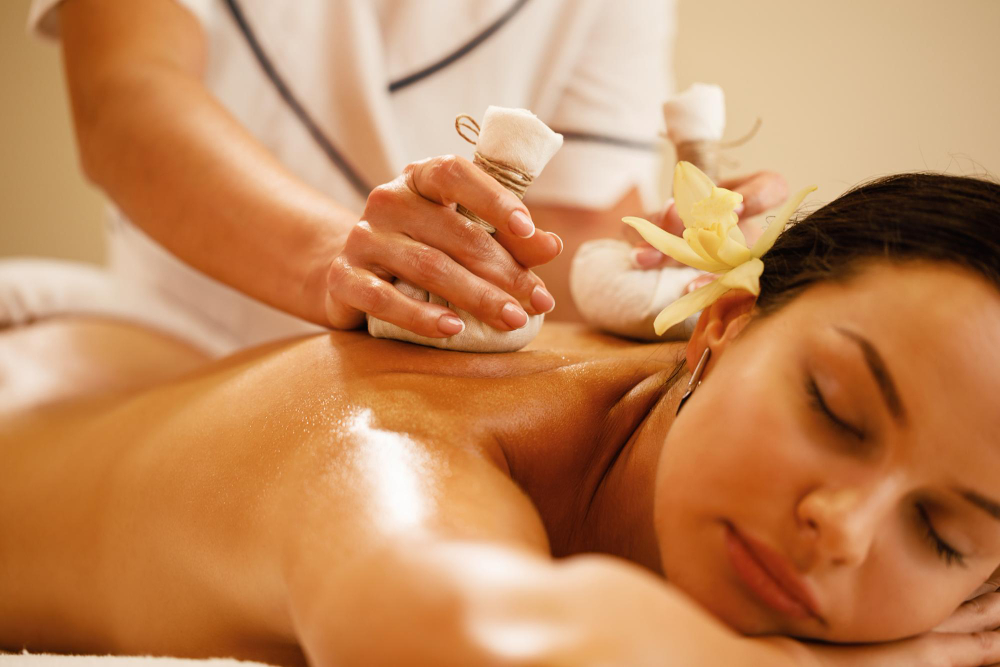
Thai massage, an ancient practice from Thailand, combines Indian Ayurvedic, Chinese, and Southeast Asian healing techniques. Known as "Thai yoga massage," this therapy uses rhythmic compression, acupressure, and assisted stretching to rejuvenate the body and mind. Unlike Western styles, Thai massage occurs on a mat with the recipient dressed, promoting a dynamic experience. Its global popularity stems from its holistic approach and scientific backing.
In this article, we’ll explore 10 proven benefits of Thai massage you should know about, why this practice stands out, compare Thai massage vs Swedish massage, and spotlight specialties such as Thai foot massage.
10 Proven Benefits of Thai Massage
1. Enhances Flexibility and Range of Motion
One of the standout benefits of Thai massage is its ability to improve flexibility and joint mobility. The therapist leads assisted yoga-like stretches for muscles and ligaments. Research in the Journal of Bodywork and Movement Therapies shows Thai massage enhances range of motion, especially for those with stiff joints. It's ideal for athletes, seniors, or anyone wanting to maintain physical agility.
Unlike Thai massage, which focuses on relaxation through long, gliding strokes, Swedish massage actively engages the body in dynamic movements. The stretching component mimics yoga poses, enhancing elasticity without requiring independent execution. Regular sessions can improve limberness and agility.
2. Reduces Stress and Anxiety
One of the most desired advantages of Thai massage is stress relief. This technique utilizes acupressure and deep breathing to stimulate the parasympathetic nervous system, effectively reducing cortisol levels, a hormone linked to stress.
The meditative rhythm of Thai massage, focusing on energy lines (Sen), fosters calm. Compared to Thai, Swedish massage reduces stress with passive techniques, while Thai provides an active, invigorating experience.
3. Relieves Chronic Pain
Chronic pain sufferers frequently seek Thai massage for its effective pain relief, deep tissue pressure, and stretching to ease lower back, shoulders, and neck tension. A study in Complementary Therapies in Clinical Practice found that Thai massage significantly reduced chronic lower back pain, outperforming some conventional treatments.
The benefits of Thai massage extend to conditions like arthritis, sciatica, and muscle stiffness. Techniques like Thai foot massage target reflexology points in the feet that correspond to various body parts, alleviating discomfort. This hands-on method offers a natural alternative to painkillers or invasive treatments.
4. Boosts Energy Levels
Feeling sluggish? Thai massage offers a natural energy boost by stimulating energy pathways, improving circulation, and removing blockages for lasting revitalization. Unlike caffeine, its energy boost is steady and balanced due to grounding techniques.
Unlike Swedish massage, which can leave you sleepy, Thai massage invigorates and leaves clients refreshed and alert, ideal for midday fatigue or preparing for a busy day.
5. Improves Circulation
Improved blood flow is a key benefit of Thai massage. The rhythmic compressions and stretches enhance circulation, delivering oxygen and nutrients while removing toxins. A Journal of Alternative and Complementary Medicine study shows that Thai massage significantly boosts blood flow, aiding healing and wellness.
Thai foot massage targets the lower extremities, addressing common circulation issues. Improved circulation supports physical health and enhances complexion and muscle recovery, benefits shared with Swedish massage but achieved through gentler techniques.
6. Promotes Better Sleep
Are you struggling with insomnia? Thai massage can improve sleep quality by reducing stress hormones, balancing the nervous system, and preparing the body for restful slumber.
While both Thai massage vs Swedish massage can promote sleep, Thai massage’s active stretching addresses physical tension that might otherwise disrupt rest. Pair it with a Thai foot massage to soothe overactive nerves in the feet, and you’ve got a recipe for a peaceful night.
7. Strengthens the Immune System
One significant yet often overlooked benefit of Thai massage is its ability to enhance the immune system. By boosting lymphatic drainage and circulation, Thai massage aids the body in waste removal and bolsters immune function. According to findings published in the Massage Therapy Journal, consistent massage, which includes Thai methods, raises white blood cell levels, strengthening the body’s defenses.
This holistic benefit aligns with Thai massage’s roots in traditional medicine, where balance is key to health. Incorporating Thai foot massage further stimulates reflex points linked to immunity, offering a dual approach to staying well.
8. Eases Headaches and Migraines
For those plagued by tension headaches or migraines, the benefits of Thai massage offer relief. The practice targets head, neck, and shoulder pressure points—common culprits of headache pain. A clinical trial published in Pain Management Nursing showed that Thai massage reduced headache frequency and intensity in chronic sufferers.
Unlike Swedish massage, which focuses on general relaxation, Thai massage uses acupressure and stretching to target headache triggers. Thai foot massage stimulates reflex zones connected to the head, enhancing this effect.
9. Improves Posture
Poor posture from desk jobs or slouching can wreak havoc on the body, but the benefits of Thai massage include posture correction. The assisted stretches realign the spine, open the chest, and release hip and shoulder tension. Over time, this can counteract the effects of sedentary living.
A study in the Journal of Physical Therapy Science found that Thai massage improved spinal alignment in participants with postural imbalances. Compared to Thai massage vs Swedish massage, Thai massage’s active approach makes it uniquely suited to tackling structural issues, offering long-term benefits beyond temporary relaxation.
10. Enhances Mental Clarity and Focus
Finally, the benefits of Thai massage extend to the mind, sharpening focus and mental clarity. The combination of physical release and mindful breathing boosts oxygenation to the brain, enhancing cognitive function. Research in Behavioral Medicine indicates that Thai massage improves attention span and reduces mental fog, making it a favorite among professionals and students.
Swedish massage provides passive relaxation for the mind, whereas Thai massage uniquely combines active engagement of both body and mind. A session may feature Thai foot massage, which helps ground your energy, leaving you mentally rejuvenated and prepared to face challenges.
Why Choose Thai Massage?
The benefits of Thai massage are extensive and well-documented. It provides a combination of physical, mental, and emotional advantages. Whether you seek flexibility, pain relief, or an energy boost, this practice produces results. Specialties like Thai foot massage offer targeted relief, while the differences between Thai massage vs Swedish massage, active versus passive, dynamic versus gentle, make it a versatile option for varied needs.
Unlike Swedish massage, which prioritizes relaxation through oil-based strokes, Thai massage is a dry, clothed practice rooted in movement and energy work. It’s less about luxury spa vibes and more about functional healing, though it’s deeply relaxing in its own right. Sessions typically last 60–120 minutes, allowing ample time to address multiple concerns.
Getting Started with Thai Massage
To experience the benefits of Thai massage, seek a certified practitioner trained in traditional techniques. Wear loose, comfortable clothing, and communicate your goals—pain relief, stress reduction, or flexibility. For a focused introduction, try Thai foot massage to ease into the practice, especially if you’re new to bodywork.
Regular weekly or bi-weekly sessions maximize benefits, but even one can feel transformative. Pregnant women or those with conditions like osteoporosis or recent surgery patients should consult a doctor, as stretches may be intense.
Conclusion
The benefits of Thai massage are more than anecdotal; they’re backed by science and centuries of tradition. From boosting flexibility and circulation to easing pain and enhancing mental clarity, this practice offers a holistic path to wellness. Whether you opt for a full-body session or a targeted Thai foot massage, invest in a time-tested method that stands apart in massage therapy.
Compared to Thai massage vs Swedish massage, its active, energizing style appeals to those seeking relaxation and revitalization. Why not try it? Your body and mind will thank you.