This article explains how clutch friction plate materials affect performance. It compares organic, ceramic, Kevlar, and cera-metallic options, highlighting their benefits, composition, and applications. Choosing the right material depends on driving style, heat resistance, durability, and performance needs for optimal efficiency and longevity.
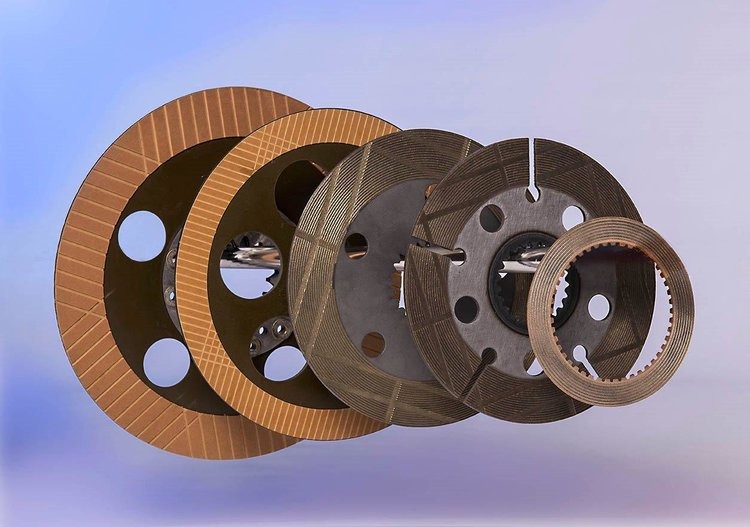
This article offers complete guidance on choosing the perfect clutch friction plates and how they impact the performance of your car.
Different material offers unique benefits based on the application, whether for driving, aggressive track use, or all-out racing. Marine Clutch Friction Plates should deliver a high coefficient of friction, excellent heat resistance, and durability under pressure.
This article shares a breakdown of the most common clutch friction materials and the key characteristics.
Organic Friction Materials
What Material is used for Clutch Friction Plates? Organic friction materials are the most common choice for their balance of performance, comfort, and reliability. It offers smooth engagement, solid wear resistance, and minimal break-in requirement, making it ideal for street-driven vehicles.
Organic friction materials are typically composed of phenolic resins for high mechanical strength, thermal stability, and chemical resistance. Friction modifier, including metallic powders for fine-tuning performance. Compounded rubber can increase compliance and reduce harshness for engagement.
They are perfect for street performance vehicles, autocross, and track-day builds.
Ceramic Friction Materials
They are designed for high-performance and racing applications that excel under extreme heat and repeated clutch engagement. The aggressive nature makes it less suitable for regular driving. Ideally, ceramic frictions are made from copper, iron, tin, bronze, silicon dioxide, and graphite.
This compound is sintered if brazed onto a backing plate that is riveted to the clutch disc. Ideally, they are high-heat resistant and ideal for high-RPM shifting and heavy track use. This material is ideal for road racing, time attack, and drag racing.
Kevlar Friction Material
This para-aramid synthetic fiber is ideal for strength, heat resistance, and longevity. This disc offers very smooth engagement and exceptionally long service life. They are extremely durable under high loads and requires long break-in period. They are ideally built for dedicated track cars, high-performance street cars, and applications where long clutch life and smooth engagement are priorities.
Cera-Metallic Friction Material
Well, this material blends the benefits of ceramic and metallic components for delivering high torque capacity. They are the perfect choice for race-level performance without compromising drivability.
The composition is made from copper-based power metals that are engineered to handle extreme power loads and maintain performance. This material is suitable for aggressive engagement and excellent heat tolerance, and engagement. It helps to maintain RPMs that are typically around 500 miles of break-in period.
This friction material is perfect for high-horsepower streets where you need road racing and heavy forced induction.
To Conclude
Choosing the right clutch plate is very crucial for optimal performance and overall riding satisfaction. While choosing the material, you should consider various factors, including compatibility, riding style, friction material, brand reputation, and budget.
If you are in doubt about choosing the best marine clutch friction plates, you should seek guidance for a smooth and comfortable riding experience, for better quality, compatibility, and riding demands. You should also remember that the clutch doesn’t enhance the riding pleasure; however, it also contributes to the longevity and efficiency of the clutch system.
Need further guidance? Please Visit Our Website and share your requirements.