Brake Systems for Robots are vital for maintaining precision, safety, and reliability in industrial automation. A well-designed Industrial Robot Braking System allows robotic joints to stop accurately, hold positions under load, and operate efficiently, ensuring consistent performance in manufacturing, material handling, and collaborative applications.
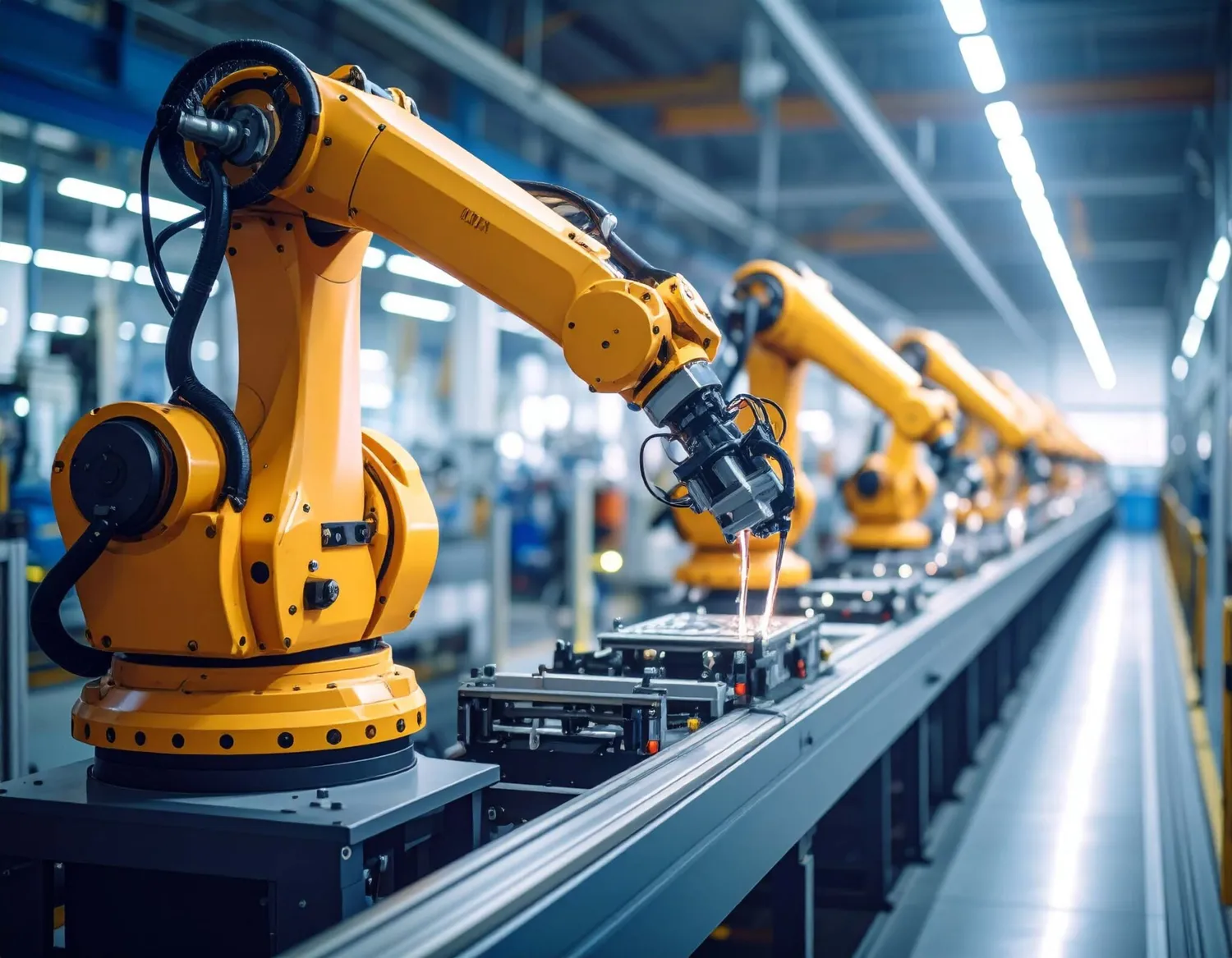
In today’s rapidly advancing industrial landscape, automation is no longer optional—it is a necessity. Robotics have become a cornerstone of modern manufacturing, handling tasks ranging from assembly and welding to material handling and precision machining. However, the efficiency, safety, and reliability of these robots depend on more than just motors and sensors. Central to their performance is the integration of advanced Brake Systems for Robots.
Brakes in robotics serve critical functions that go beyond simple stopping power. They ensure positional accuracy, prevent mechanical failure, and protect both equipment and personnel. An Industrial Robot Braking System is a sophisticated component designed to withstand repeated engagement, dynamic loads, and high operational speeds. This article explores the functionality, benefits, applications, and future trends of robotic brake systems while emphasizing why investing in high-quality solutions is essential for industrial efficiency.
Understanding Brake Systems for Robots
A Brake System for Robotsis a mechanism designed to control motion and maintain precise positioning of robotic joints and actuators. Unlike vehicle brakes, robotic brakes must operate in compact spaces, engage frequently, and respond with exceptional accuracy.
These systems generally serve two primary purposes:
1. Safety Control: Preventing unexpected movements during maintenance, power loss, or emergencies.
2. Positioning Accuracy: Ensuring robotic arms, wrists, or end-effectors remain precisely aligned during operation or when holding a load.
Industrial robots operate under variable loads, speeds, and repetitive cycles. Without an effective Industrial Robot Braking System, even the most sophisticated robots can suffer from positioning errors, mechanical wear, and operational inefficiencies.
Types of Brake Systems Used in Robotics
Robotic brake systems vary in design depending on the application, load requirements, and precision needed. The main types include:
1. Electromechanical Brakes
Electromechanical brakes use an electromagnetic field to engage or disengage the braking mechanism. They are highly responsive, allow for precise control, and integrate seamlessly with robotic control systems. These brakes are ideal for high-speed applications where precise stopping and holding are critical.
2. Hydraulic Brakes
Hydraulic brakes rely on pressurized fluid to engage a braking mechanism. While larger and more complex than other types, hydraulic systems offer high torque capacity and smooth control, making them suitable for heavy-duty robots handling substantial loads.
3. Pneumatic Brakes
Pneumatic brakes operate using compressed air. They are cost-effective, simple to maintain, and particularly useful in environments where electrical or hydraulic systems may be impractical.
4. Friction-Based Brakes
Friction-based brakes employ friction plates or discs to control motion. They are robust, reliable, and provide consistent stopping power. High-quality Industrial Robot Braking Systems often use advanced friction materials to ensure durability and precise control over repeated operations.
Why Brake Systems Are Vital in Robotics
Brake systems in robots are not merely optional components; they are fundamental to operational performance and safety.
Enhancing Safety
Robots operate in dynamic and potentially hazardous environments. A reliable Brake System for Robotsprevents unintended movement, protecting operators, nearby equipment, and the robot itself from accidental collisions or damage.
Maintaining Precision
Robotic applications such as welding, assembly, or pick-and-place operations require exact positioning. Brake systems allow robotic joints to maintain their position even under load or during power interruptions, ensuring operational accuracy.
Reducing Wear and Tear
By controlling deceleration and managing torque during operation, brakes reduce stress on motors, gears, and other mechanical components. This prolongs the lifespan of the robot and reduces maintenance costs.
Supporting Energy Efficiency
Controlled braking minimizes the need for motors to counteract momentum manually, conserving energy and enhancing overall system efficiency.
Ensuring Reliability
Robots often operate continuously in industrial environments. Consistent performance of brake systems reduces downtime, prevents production bottlenecks, and maintains smooth operational flow.
Key Applications of Robotic Brake Systems
Robotic brake systems are used across multiple industries, each with specific operational requirements:
Manufacturing and Assembly
Robotic arms in automotive, electronics, and precision manufacturing rely on brakes to hold components in exact positions during assembly. Accurate braking ensures the correct placement of parts, reducing errors and scrap.
Material Handling
In logistics and warehousing, robots handling packages, pallets, or products need to stop precisely when positioning items. An Industrial Robot Braking Systemensures loads are held securely during transfer or stacking operations.
Welding and Machining
High-precision welding and machining operations demand stable positioning. Brakes maintain joint angles and tool alignment, reducing deviations that could compromise product quality.
Collaborative Robots
Cobots work alongside human operators. Brake systems are essential in these robots for rapid emergency stops and safe motion control, allowing humans and robots to share workspace safely.
Factors to Consider When Selecting Robotic Brake Systems
Choosing the right brake system involves evaluating multiple technical and operational factors:
• Load and Torque Requirements: Ensure the brake can handle the robot’s maximum load and torque.
• Response Time: Fast engagement is critical for high-speed or safety-critical operations.
• Integration Capabilities: Brakes should be compatible with existing robot controllers and automation systems.
• Durability: Look for brakes designed for repetitive use in demanding environments.
• Compliance with Safety Standards: Confirm the brake meets industrial safety regulations and certifications.
Working with trusted suppliers like protecfriction provides access to high-quality brakes, technical support, and customization options to suit diverse industrial needs.
Maintenance and Longevity
Maintaining robotic brake systems ensures reliability and minimizes unexpected downtime:
• Routine Inspection: Regularly check for wear on friction plates, electromagnetic components, and hydraulic seals.
• Lubrication: Proper lubrication of moving parts ensures smooth operation and reduces mechanical stress.
• Calibration: Test braking force and responsiveness to ensure precision over time.
• Timely Replacement of Worn Parts: Proactive replacement prevents system failure and maintains operational safety.
Proper maintenance enhances the lifespan of both the brake system and the robot itself, reducing overall operational costs.
Emerging Trends in Robotic Brake Technology
As industrial robotics continue to evolve, brake systems are also advancing:
• Smart Brakes: Integration with sensors and predictive algorithms allows real-time monitoring of wear, load, and engagement status.
• Energy-Regenerative Brakes: Brakes that recover energy during deceleration improve overall system efficiency.
• Miniaturization: Compact braking systems allow lighter and more agile robots without sacrificing performance.
• Advanced Friction Materials: High-performance materials reduce heat generation, increase durability, and extend maintenance intervals.
These innovations demonstrate the ongoing importance of high-quality Brake Systems for Robots in ensuring reliable, safe, and efficient operations.
Conclusion
Brake Systems for Robots are essential components that directly impact safety, precision, and operational efficiency in industrial automation. Advanced Industrial Robot Braking Systems ensure that robots can stop reliably, maintain precise positioning, and operate safely under variable loads.
From manufacturing and assembly to material handling and collaborative applications, robotic brake systems are critical to maintaining consistent performance and reducing mechanical wear. Partnering with trusted suppliers like protecfriction allows businesses to access reliable, high-quality brake solutions designed to meet the demands of modern industrial environments.
Investing in sophisticated robotic braking technology is not merely a technical choice—it is a strategic decision that ensures safety, precision, and productivity in the competitive world of industrial automation.