Industrial friction discs are essential for controlling motion in automotive and industrial systems. Material choice—metallic, non-metallic, or composite—affects durability, heat resistance, and performance. Proper selection, cost analysis, and maintenance ensure efficiency, safety, and long-term reliability across diverse applications.
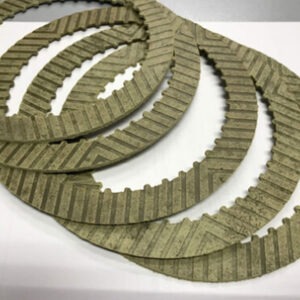
If you are into mechanical engineering or automotive systems, you are probably aware of the importance of the Industrial Friction Disc. It plays a crucial role in controlling motion and managing engagement. By understanding the properties of the disc material, professionals can understand and increase the performance of automotive, aerospace, and heavy-duty machinery.
Friction Disc Materials are classified based on the chemical composition and the primary function that influences friction and wear behavior. This article delves deeper into the various materials used in the discs and their applications and significance.
An Overview
A friction disc is the key component in the clutch system and the brake. The material of industrial friction discs directly impacts the efficiency and safety of the vehicles. Take a look at the different materials and how it affects the performance.
Metallic Friction Disc Material
• Metallic materials are ideally perfect for a high-stress environment known for its durability.
• The bronze friction disc is perfect for heavy-duty application offering excellent wear resistance in industrial machinery.
• The steel friction disc is ideal for thermal conductivity and strength, perfect for high-performance and automotive applications.
Non-Metallic Disc Materials
Non-metallic materials are perfect for less-intensive applications for smooth operation. They include paper friction disc common is automotive transmission and they are very affordable and effective for everyday use.
Organic friction material incorporates materials, including rubber, that are commonly used in consumer vehicles for quiet operations.
Composite Friction Material
It is an ideal blend of metallic and non-metallic properties offering a balanced solution. Carbon composites are the pinnacle of friction disc technology; they are used for extreme condition including racing and aerospace. Ceramic composites offer superior heat resistance, and they are becoming more popular in high-performance vehicles.
Different Factors That Influence Material Choice
The selection of Industrial Friction Discs involves considering factors like longevity, heat tolerance, and cost-effectiveness. Industries often prioritize multiple factors on the basis of specific needs, influencing the material choice.
• Friction disc material is widely used in industries, including automotive, using paper-based and organic materials for its cost-effectiveness and suitability.
• Aerospace supplication is also crucial for the resilience of carbon composites in extreme conditions.
• With growing focus on sustainable manufacturing, the development of eco-friendly friction material is a very significant trend. Advancements in these areas are very crucial for future sustainability across industries.
Effective maintenance ensures longevity and optimal performance of the friction disc. At the same time, it is very crucial to ensure regular inspection and adherence to maintenance guidelines.
Other Factors
A detailed cost analysis is very crucial for initial investment. High-quality materials, including carbon composites, can be a great cost saver as it offers extended lifespan. In fact, many industries often face challenges with innovative materials, especially when it comes to balancing performance and environmental impact. Future advancements are likely to focus on enhancing resistance and eco-friendliness.
Bottom Line
You should always seek experts’ guidance while choosing the right material for a friction disc. As it is a huge investment, consider all the factors that can impact the overall performance.