Integration of Robotics in Manufacturing is no longer a futuristic trend. However, it is an essential aspect for today’s industry. From improving efficiency to reducing cost, robotic integration plays a critical role to optimize production process.
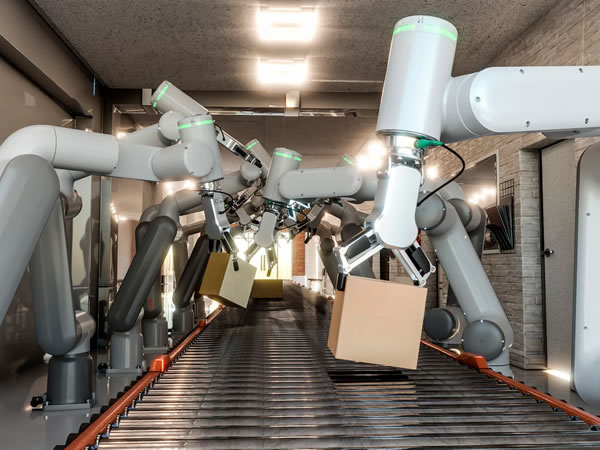
For successful implementation, it is very important to consider certain technical operations.
An Overview
Robotic system integration includes the seamless combination of various automated systems and software to develop an advanced and flexible manufacturing process. This effort is more than just deploying robots and involves a sophisticated automation solution to streamline operations from simple to logistical tasks.
In addition, the Appliance Manufacturing Robotics Integration offers unparalleled flexibility that allows manufacturers to adapt to the quickly changing demands without extensive downtime.
Reasons to Choose Robot Integration
Increased Efficiency
The integration of robots enables a significant improvement in speed and accuracy, surpassing the ability of human labor. It translates into reduced operating costs and better optimization as the robot can consistently.
Improved Product Quality
The best part of robot integration is that it can minimizes error and ensure greater consistency in final products. They can enable compliance with the most demanding quality standards that reduce defects and improve quality control at every stage.
Operational Safety
In the manufacturing industry, some tasks can be hazardous as it involves repetitive movement, exposure to a toxic environment, health hazards, and more. In that case, the robot plays a significant role in taking over the function and protecting employees from accidents, and improving working conditions.
Understanding the Process of Robot Integration
The first step to robot implementation is to understand the current challenges and opportunities. You need to first identify the weak points, repetitive and dangerous tasks, and set clear goals to solve the problem. It is crucial to evaluate the costs and benefits that robotics can bring to your business.
Select the Right Tool
It is very crucial to choose the right type of robot and tools that can meet your requirements. Additionally, you need to evaluate the additional component including sensors, controllers, and software, to ensure their compatibility and the safety of the system.
Design the Workflow
To incorporate robots, you need to adapt the physical layout of the plant and organize the workflow so that the robots operate efficiently. You should remember that a well-structured design can reduce waste and maximize productivity.
Extensive Testing
Once you have selected the right equipment, you need to integrate it and perform tests to ensure everything is working fine. Then configure the robot and test it in different operational conditions.
You should also make sure that the personnel involved in the process have the necessary training with the new system efficiently.
Continually Monitor System Improvement
It is very crucial to monitor the performance of the robotic system. You need to identify the potential areas of improvement by ensuring the quality, efficiency, and production. Make the necessary adjustment and keep the robot in top condition.
Bottom Line
Need expert help for robot integration into your manufacturing system? Visit our website and get ready for the transformation.