Friction Material for Band Brakes plays a vital role in ensuring reliable braking performance, durability, and operational safety across industrial and heavy-duty applications. Choosing the right Brake Band Friction Lining helps reduce wear, improve efficiency, and minimize maintenance costs while delivering consistent braking performance.
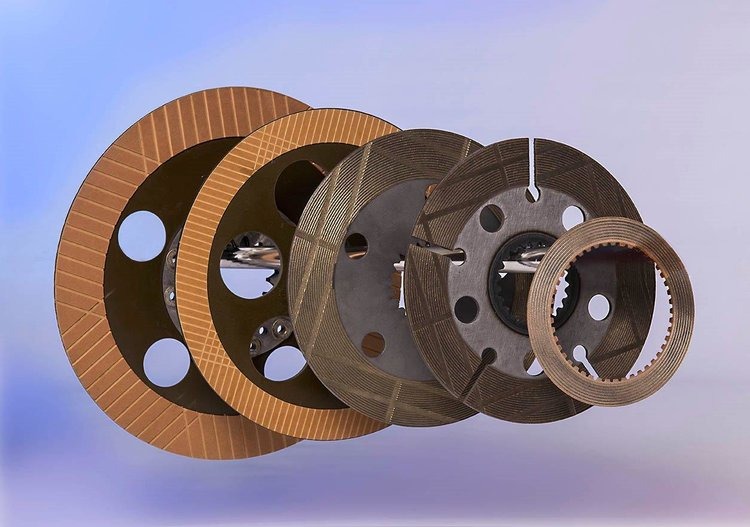
Braking systems are often discussed in the context of modern vehicles, but many industrial machines, heavy-duty equipment, and specialized mechanical systems still depend on band brakes for controlled stopping and power transmission. While the design of a band brake may appear simple, its effectiveness relies heavily on one critical component—the Friction Material for Band Brakes.
The right friction material can significantly improve braking efficiency, reduce wear, enhance operational safety, and extend equipment life. On the other hand, poor-quality materials can lead to inconsistent performance, overheating, increased maintenance costs, and unexpected downtime.
In this article, we'll explore the importance of friction materials in band brake systems, the role of Brake Band Friction Lining, and why selecting a trusted friction material manufacturer can make a measurable difference in long-term performance.
Understanding How Band Brakes Work
A band brake operates using a flexible band wrapped around a rotating drum. When force is applied, the band tightens around the drum, generating friction that slows or stops rotational movement.
This braking mechanism is widely used in:
• Industrial machinery
• Agricultural equipment
• Marine applications
• Material handling systems
• Winches and hoisting equipment
• Construction machinery
• Mining equipment
Although the mechanical design has remained relatively unchanged over the years, advancements in Friction Material for Band Brakes have dramatically improved efficiency, durability, and safety.
Why Friction Material Is the Most Important Component
The friction material serves as the direct contact surface between the brake band and the rotating drum. It converts kinetic energy into heat through friction, enabling controlled deceleration.
Without a properly engineered friction lining, even the most robust brake assembly can struggle to perform effectively.
High-quality friction materials provide:
• Stable braking performance
• Consistent coefficient of friction
• Resistance to heat and wear
• Reduced maintenance requirements
• Longer operational lifespan
• Improved equipment safety
For industries where downtime directly impacts productivity and profitability, choosing the right Friction Material for Band Brakes is not simply a maintenance decision—it's a business decision.
The Role of Brake Band Friction Lining
The Brake Band Friction Liningis the specialized friction layer attached to the brake band. Its primary function is to generate predictable braking force while minimizing damage to the drum surface.
A well-designed lining delivers several operational benefits.
• Consistent Braking Performance: Industrial equipment often operates under varying loads and environmental conditions. Quality friction linings maintain stable performance whether equipment is running continuously or intermittently.
• Heat Resistance: Braking generates substantial heat. Premium Brake Band Friction Lining materials are engineered to withstand elevated temperatures without losing effectiveness.
• Reduced Wear: Advanced friction compounds reduce both lining wear and drum wear, helping operators lower maintenance expenses and replacement frequency.
• Noise and Vibration Control: Modern friction technologies are designed to minimize vibration and unwanted noise, improving overall equipment operation and user experience.
Common Applications for Band Brake Friction Materials
The demand for reliable Friction Material for Band Brakes spans multiple industries.
• Construction Equipment: Heavy machinery frequently operates under harsh conditions where reliable braking performance is essential for operator safety and machine control.
• Agricultural Machinery: Tractors, harvesters, and specialized farming equipment rely on durable friction materials capable of handling demanding workloads and varying weather conditions.
• Marine Systems: Marine braking applications require friction materials that can withstand moisture exposure while maintaining dependable performance.
• Industrial Manufacturing: Factories and production facilities often use braking systems in conveyors, hoists, presses, and material handling equipment where precision and reliability are critical.
• Mining Operations: Mining equipment faces extreme operating environments. High-performance friction linings help ensure safe operation while reducing maintenance interruptions.
Key Characteristics of High-Performance Friction Materials
Not all friction materials offer the same level of performance. The most effective Friction Material for Band Brakes combines several important characteristics.
• Thermal Stability: A friction material must maintain its properties even when exposed to repeated braking cycles and elevated temperatures.
• Wear Resistance: Durability directly affects operational costs. Materials with superior wear characteristics deliver longer service intervals and lower replacement expenses.
• Mechanical Strength: Industrial braking systems often operate under heavy loads. Friction materials must withstand significant mechanical stress without cracking or degrading.
• Stable Friction Coefficient: Consistency is essential. A stable coefficient of friction ensures predictable braking performance across various operating conditions.
• Environmental Compatibility: Modern industries increasingly prioritize environmentally responsible materials that comply with current regulations and sustainability goals.
How Advanced Friction Engineering Improves Equipment Performance
Friction material technology has evolved significantly over the past few decades. Today's manufacturers use sophisticated engineering techniques to develop compounds tailored for specific applications.
Modern Brake Band Friction Lining formulations may include carefully balanced combinations of:
• Reinforcing fibers
• Friction modifiers
• Heat-resistant binders
• Wear-control additives
• Performance-enhancing fillers
The result is a product capable of delivering reliable braking performance even in demanding industrial environments.
This level of engineering helps businesses maximize productivity while reducing maintenance-related disruptions.
Warning Signs of Worn Brake Band Friction Lining
Routine inspections are essential for maintaining safe and efficient equipment operation.
Common indicators of lining wear include:
• Reduced braking efficiency
• Excessive noise during operation
• Increased stopping distance
• Uneven wear patterns
• Visible cracks or damage
• Overheating issues
Ignoring these warning signs can lead to costly repairs, unexpected downtime, and potential safety risks.
Replacing worn friction materials before complete failure helps maintain operational reliability and protects critical equipment components.
Choosing the Right Friction Material Supplier
Selecting a supplier involves more than comparing prices. The quality of friction materials directly impacts equipment performance, maintenance costs, and workplace safety.
When evaluating suppliers, consider:
• Manufacturing Expertise: An experienced manufacturer understands the unique requirements of different industries and applications.
• Product Quality Control: Consistent production standards ensure reliable product performance from batch to batch.
• Technical Support: A knowledgeable supplier can help identify the most suitable friction solution for specific operating conditions.
• Custom Solutions: Different industries often require specialized formulations. Manufacturers capable of developing tailored friction materials can provide significant operational advantages.
Why Businesses Trust Protec Friction Group
For companies seeking dependable Friction Material for Band Brakes, partnering with a trusted manufacturer is essential.
Protec Friction Group focuses on developing high-performance friction solutions designed to meet the evolving needs of industrial and automotive applications. Through advanced engineering, stringent quality standards, and ongoing product innovation, Protec Friction Group delivers friction materials that help improve safety, durability, and operational efficiency.
Whether your application involves heavy machinery, industrial equipment, marine systems, or specialized braking solutions, Protec Friction Group provides reliable products engineered for demanding environments.
Conclusion
The effectiveness of any band brake system depends heavily on the quality of its Friction Material for Band Brakes. From improving stopping performance and heat resistance to reducing maintenance costs and enhancing safety, friction materials play a central role in equipment reliability.
Investing in premium Brake Band Friction Lining solutions can help businesses extend equipment life, reduce downtime, and maintain consistent operational performance. As industries continue to demand greater efficiency and reliability, high-quality friction materials remain a critical component of successful braking systems.
For organizations looking to optimize braking performance and maximize long-term value, Protec Friction Group delivers innovative friction solutions for demanding applications. Call Now 914-244-3600 to speak with our experts, or Contact Us Today to request a quote and learn more about our solutions.