This article explores how Friction Component Engineering plays a vital role in improving performance, safety, and durability across industrial applications. It highlights the importance of Friction Coefficient Engineering in achieving precise control over material behavior, ensuring consistent efficiency and long-term reliability in high-demand systems.
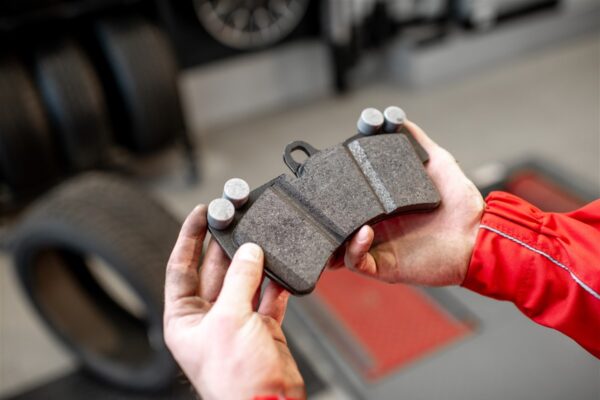
In today’s performance-driven industrial landscape, precision is not optional—it is essential. Every mechanical system that relies on motion control, braking, or torque transfer depends heavily on the quality of its friction components. From automotive assemblies to heavy industrial machinery, the science behind friction directly impacts safety, durability, and operational efficiency. This is where Friction Component Engineering emerges as a critical discipline, enabling businesses to achieve consistent and optimized performance.
At Protec Friction Group, engineering excellence is applied to develop advanced friction solutions tailored to meet complex industrial demands. By integrating deep technical expertise with innovative material science, the company ensures that each component delivers reliable and measurable results.
Understanding Friction Component Engineering
Friction Component Engineering involves the design, development, and optimization of materials and components that control motion through friction. These components are essential in systems such as brakes, clutches, and industrial equipment where controlled resistance is required.
Unlike generic manufacturing processes, friction engineering requires a detailed understanding of material behavior under varying conditions. Factors such as temperature, pressure, speed, and environmental exposure must all be considered to ensure optimal performance.
By applying advanced methodologies, engineers can create components that not only perform efficiently but also maintain consistency over extended periods of use.
The Science Behind Friction Coefficient Engineering
At the core of friction performance lies the concept of Friction Coefficient Engineering. The coefficient of friction determines how two surfaces interact when in contact, directly influencing braking efficiency, wear rates, and heat generation.
Precise control over this coefficient is essential. If the friction level is too high, components may wear out quickly or generate excessive heat. If it is too low, systems may fail to provide adequate stopping power or torque transfer.
Through Friction Coefficient Engineering, manufacturers can fine-tune materials to achieve the ideal balance. This process involves:
• Selecting appropriate base materials
• Incorporating reinforcing fibers and additives
• Testing under simulated real-world conditions
• Adjusting formulations for specific applications
This level of precision ensures that each component performs exactly as required, regardless of operating conditions.
Why Friction Engineering Matters in Modern Industries
Industries today demand higher efficiency, lower downtime, and improved safety standards. Traditional materials and outdated engineering approaches often fail to meet these expectations.
By adopting advanced Friction Component Engineering, businesses can benefit from:
• Enhanced system reliability and performance
• Reduced maintenance and replacement costs
• Improved safety in critical applications
• Greater energy efficiency
• Longer component lifespan
These advantages make friction engineering a strategic investment rather than a simple operational expense.
Applications Across Key Sectors
The impact of Friction Component Engineering extends across multiple industries, each with its own unique requirements.
Automotive Industry: In vehicles, friction components are essential for braking systems and clutches. Precision engineering ensures smooth operation, reduced noise, and reliable stopping power.
Industrial Machinery: Heavy equipment operates under extreme loads and temperatures. Engineered friction components provide the durability needed to withstand continuous use.
Aerospace Sector: In aerospace applications, even minor inconsistencies can have significant consequences. Advanced Friction Coefficient Engineeringensures predictable and stable performance.
Manufacturing and Processing: Production lines rely on consistent motion control. High-quality friction components help maintain efficiency and reduce downtime.
Key Elements of Effective Friction Engineering
Material Selection: The choice of materials plays a crucial role in determining performance. Engineers must consider factors such as heat resistance, wear characteristics, and environmental compatibility.
Thermal Management: Friction generates heat, which can degrade materials over time. Effective engineering ensures that components can withstand and dissipate heat efficiently.
Wear Resistance: Durability is essential for reducing maintenance costs and extending component life. Advanced materials are designed to resist wear even under demanding conditions.
Performance Consistency: Consistency is critical in applications where reliability is non-negotiable. Friction Coefficient Engineering ensures stable performance across varying operating environments.
Innovation as a Driving Force
The field of friction engineering continues to evolve as new materials and technologies emerge. Research and development play a vital role in creating solutions that meet modern industrial challenges.
Protec Friction Group remains at the forefront of this innovation by investing in advanced testing facilities and material science research. This commitment allows the company to develop cutting-edge Friction Component Engineering solutions that address real-world needs.
By staying ahead of industry trends, businesses can adopt technologies that improve efficiency and maintain a competitive edge.
Custom Solutions for Complex Requirements
No two applications are exactly alike. Each system has unique requirements that must be addressed through customized engineering solutions.
Through specialized Friction Coefficient Engineering, Protec Friction Group develops tailored components designed to meet specific operational demands. This approach ensures that clients receive solutions optimized for their exact use cases.
Customization includes:
• Adjusting material compositions
• Designing components for specific load conditions
• Optimizing performance for unique environments
• Ensuring compatibility with existing systems
This level of precision enhances both performance and reliability.
The Business Impact of Advanced Friction Engineering
Investing in Friction Component Engineering delivers measurable business benefits. Companies that prioritize high-quality components often experience improved operational efficiency and reduced long-term costs.
Key outcomes include:
• Lower maintenance and downtime
• Increased productivity
• Enhanced safety and compliance
• Improved product quality
• Stronger return on investment
These benefits make friction engineering a critical factor in achieving sustainable business growth.
Choosing the Right Engineering Partner
Selecting the right partner is essential for maximizing the benefits of friction engineering. Not all providers offer the same level of expertise or commitment to quality.
When evaluating a provider, businesses should consider:
• Technical expertise and industry experience
• Commitment to research and innovation
• Ability to deliver customized solutions
• Proven track record of performance
• Strong customer support and collaboration
Protec Friction Group meets these criteria by combining engineering excellence with a customer-focused approach, ensuring that every solution delivers value.
The Future of Friction Engineering
As industries continue to evolve, the demand for advanced friction solutions will only increase. Emerging technologies and stricter performance standards are driving the need for more sophisticated engineering approaches.
Future developments in Friction Component Engineering are expected to include:
• Integration of smart materials for real-time performance monitoring
• Development of eco-friendly and sustainable materials
• Enhanced simulation and testing techniques
• Expansion into new and emerging industries
These advancements will further solidify the importance of Friction Coefficient Engineering in modern industrial applications.
Conclusion: Precision Engineering for Long-Term Success
Friction is a fundamental aspect of countless mechanical systems, yet its complexity is often underestimated. Through advanced Friction Component Engineering, businesses can achieve higher levels of performance, reliability, and efficiency.
By leveraging the expertise of Protec Friction Group, organizations gain access to innovative solutions that address both current challenges and future demands—simply Call Now to get started. With a strong focus on quality, customization, and continuous improvement, the company provides the tools needed to succeed in a competitive industrial environment, so feel free to Contact Us to learn more.