Automotive friction materials are essential for controlling motion, ensuring safety, and enhancing performance across industries. They offer heat resistance, durability, reduced wear, and noise control. Various types suit different applications, helping improve reliability, extend component lifespan, and maintain efficient operation in demanding conditions.
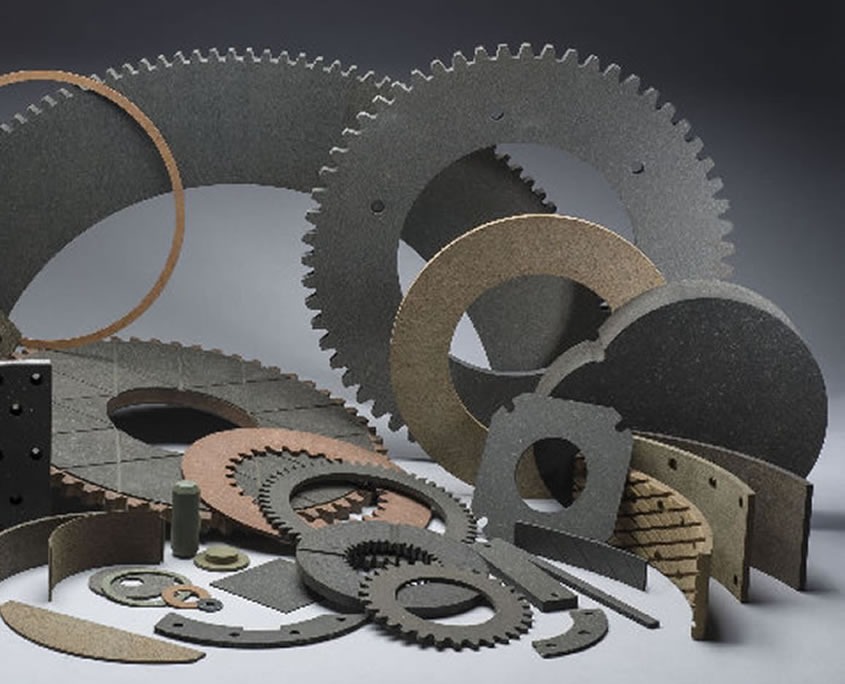
Automotive Friction Lining are specialized substances that are designed to develop and resist motion in applications. This guide explores the importance of using the best friction materials, their types, and the advantages they bring to different applications.
Understanding Friction Materials
Friction materials are engineered composites that are designed to interact with other surfaces and generate the necessary resistance to slow down, stop, or stabilize motion. The material plays a crucial role in industries including automotive, aerospace, and manufacturing by enhancing the safety, efficiency, and reliability.
It is commonly found in brake pads, clutches, and transmission systems that are built to withstand heat and wear. It helps to ensure long-lasting performance under demanding conditions. Automotive Friction Technologies depend on various factors, including load, speed, temperature, and environmental conditions.
Understanding the Key Benefits of Using the Best Friction Material
Friction material offers incredible advantages for safety, longevity, and cost-effectiveness.
Enhanced Safety
Friction materials are very crucial for various application that requires precise control. Automotive friction technologies help to control deceleration, offering smooth and reliable stopping power. High-quality friction materials are very crucial for vehicles and machinery when safety is paramount.
Improved Resistance
Friction materials can handle high temperatures generated through friction without degrading quickly. Its heat resistance capacity allows extended and consistent performance for applications like brakes and clutches, where materials can reach extreme temperatures.
Reduces Wear and Longevity
High-quality friction materials can extend the lifespan of components, including brake rotors and clutch plates. With good-quality materials, it resists abrasion and degradation. Manufacturers can reduce maintenance and replacement costs.
Vibration Reduction
Advanced friction materials can minimize noise and vibration, especially for automotive applications. Noise-damping additives can reduce squealing and rattling sounds that lead to a quieter and smoother experience.
Different Types of Friction Materials
For different applications it requires various friction materials that meet the specific performance.
• You can opt for organic material that offers low noise and good durability, suitable for everyday automotive brakes.
• They are typically used for high-performance vehicles and are durable with excellent heat dissipation; however, it produces more noise.
• Ceramic-based friction materials are known for low noise, minimal dust, and are popular for passenger cars, light truck offering smooth performance and long lifespan.
• Sintered materials are developed through heat and pressure and used for heavy-duty and industrial applications where high friction and durability are paramount.
Different Applications
Friction materials are used for various applications across sectors. In the automotive industry, it is used in brake pads, transmission system and friction materials that ensure the vehicle can decelerate safely and transfer power.
In the aerospace sector, friction materials can help aircraft to achieve precise braking and stability. It also offers necessary deceleration during landing and taxiing.
With the right friction material, industries can improve product safety, reliability, and performance.
Bottom Line
For high-performance vehicles, metallic and semi-metallic friction materials are preferred for their high durability, heat resistance, and ability to handle extreme conditions.
If you need further guidance to choose the perfect friction material, please Get in Touch With Us. Share your requirement with us, and we will get back to you!