As a landlord in Texas, one of the most important aspects of property management is retaining reliable tenants. Lease renewals provide an opportunity to maintain steady income, reduce turnover costs, and build strong relationships with tenants. However, mishandling the renewal process can lead to misunderstandings or even the loss of great tenants. Here's a guide to handling lease renewals in Texas with ease and efficiency.
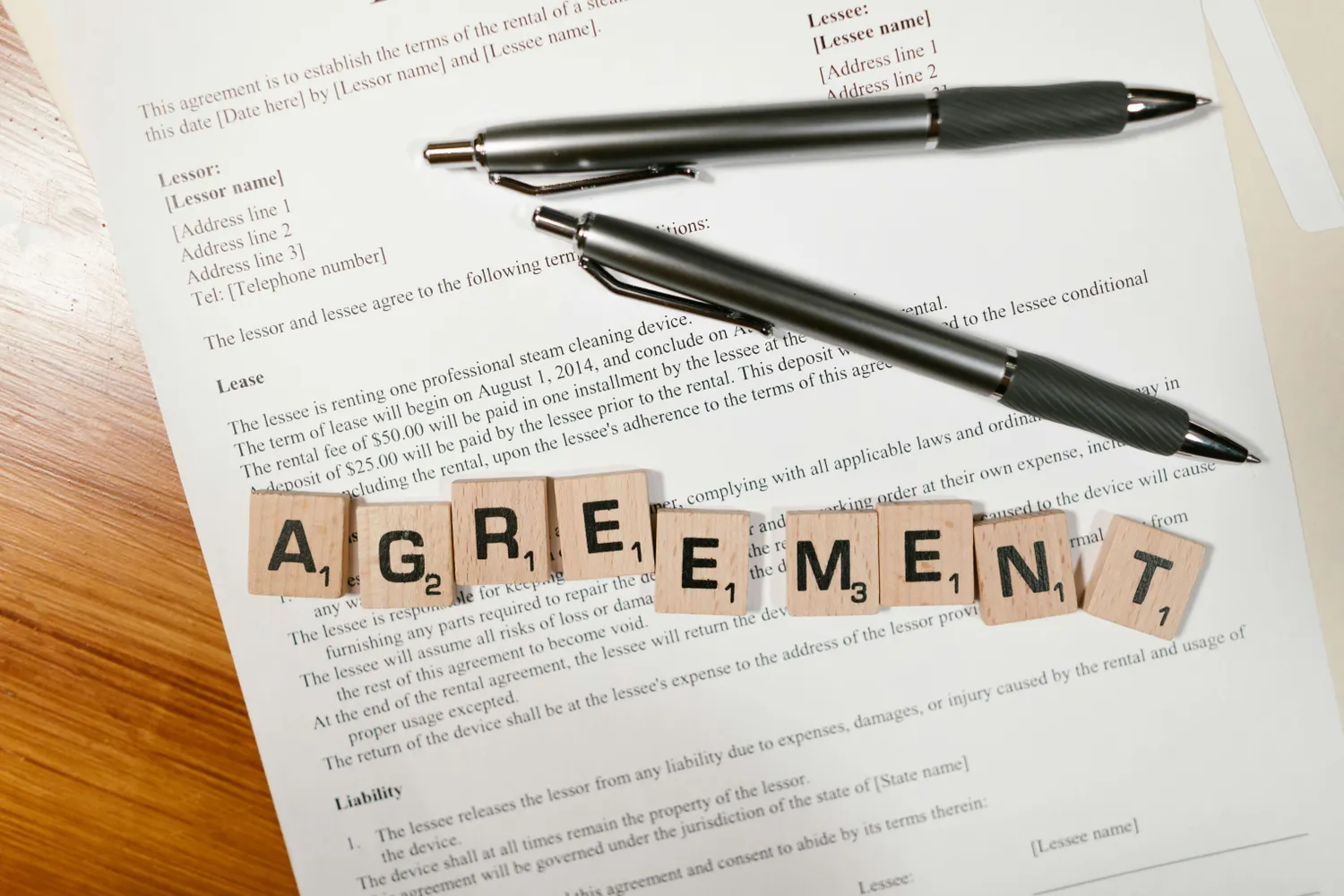
Understand the Importance of Early Communication
The key to a smooth lease renewal process is early communication with your tenants. Start the conversation at least 60-90 days before the lease expires. This timeline gives both you and the tenant enough space to discuss concerns, negotiate terms, and avoid surprises.
Proactively reaching out demonstrates that you value your tenant's tenancy and want to ensure a seamless transition into a new agreement. Tenants who feel appreciated are more likely to renew their lease.
Assess the Current Market Conditions
Before discussing lease renewal terms, review the local rental market. Evaluate comparable properties in your area to determine if your current rent is competitive. If the market has shifted significantly, you may need to adjust the rent accordingly.
Keep in mind that increasing rent is a sensitive issue. Be transparent about the reasons for any increase and back it up with data. Clear explanations can help tenants understand that your decisions are based on market trends, not personal preferences.
Review the Existing Lease Agreement
Thoroughly review the current lease agreement before drafting a renewal offer. Look for clauses that may need updates, such as maintenance responsibilities, pet policies, or late fee penalties. This is an excellent time to ensure that the lease complies with the latest Texas laws and regulations.
For example, the Texas lease agreement must include provisions that align with the Texas Property Code, such as clauses related to security deposits, repair obligations, and tenant rights. Keeping the document legally sound protects both you and your tenant.
Offer Incentives for Long-Term Tenants
To encourage good tenants to renew their lease, consider offering incentives that add value to their rental experience. This could be a small rent discount for signing a longer-term lease, a free upgrade like new appliances, or a promise to repaint the unit.
Tenants appreciate landlords who prioritize their comfort and well-being. Thoughtful gestures can make a significant difference in a tenant's decision to stay.

Address Tenant Concerns Promptly
During lease renewal discussions, listen to your tenants’ concerns or requests. Whether it's about maintenance, parking, or noise issues, showing that you’re willing to address their needs builds trust. Even if you cannot fulfill every request, open communication signals that their opinions matter.
For example, if a tenant requests a minor repair or adjustment, addressing it promptly could sway their decision to renew. These small actions often go a long way in fostering positive relationships.
Keep the Renewal Process Simple
Complicated lease renewal procedures can frustrate tenants and discourage them from signing a new agreement. Use clear language and concise terms in the renewal offer. Provide all necessary documents promptly and explain any changes from the original lease.
Streamlining the process not only saves time but also leaves a good impression on tenants. You can also utilize digital platforms for signing documents to make the process even more convenient.
Be Open to Negotiations
Flexibility is key when dealing with lease renewals. While you may have specific terms in mind, being open to negotiations can help you retain good tenants. Discuss options like adjusting lease lengths, modifying terms, or agreeing to specific requests that don’t compromise your interests.
Remember, a cooperative attitude can prevent conflicts and foster a positive relationship with your tenants.
Plan for Worst-Case Scenarios
Despite your best efforts, there’s always a chance that tenants may decide not to renew. Prepare for this possibility by having a plan in place to find new renters quickly. Start advertising the unit as soon as you receive notice of non-renewal to minimize vacancy time.
Additionally, ensure the unit is in great condition for showings. A clean, well-maintained property will attract high-quality tenants if a renewal isn’t possible.

Conclusion
Handling lease renewals in Texas without losing good tenants requires a balance of proactive communication, market awareness, and tenant appreciation. By reviewing the current Texas lease agreement, addressing concerns, and offering incentives, landlords can create a renewal process that tenants find straightforward and fair.
A well-managed renewal process not only retains reliable tenants but also strengthens your reputation as a landlord who cares about their tenants’ satisfaction. Following these steps can lead to long-term rental success and a positive landlord-tenant relationship.