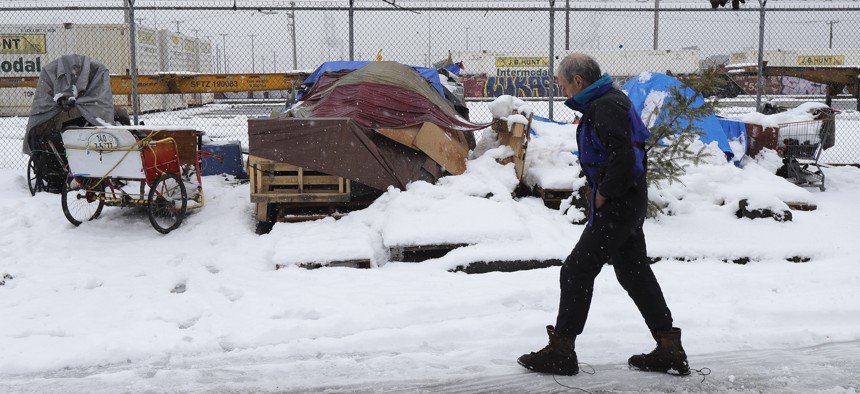
Evictions are never easy, but when winter arrives, the process becomes even more complicated. Many landlords wonder: Can you be evicted in the winter? While the answer largely depends on state laws, cold weather can impact eviction timelines, legal requirements, and tenant protections. Understanding these factors is essential for landlords navigating winter evictions.
In this guide, we’ll explore how cold weather affects the eviction process, what legal considerations landlords must keep in mind, and strategies to handle tenant issues during winter.
Can You Evict a Tenant in the Winter?
Legally, landlords can evict tenants in the winter, but certain restrictions may apply. Some states and cities have seasonal eviction moratoriums, which temporarily prohibit evictions during extreme weather. These rules aim to prevent tenants from becoming homeless in dangerous conditions.
For example:
- Chicago, IL has a Winter Eviction Moratorium that limits eviction enforcement when temperatures drop below freezing.
- Minnesota provides extra tenant protections during the winter months, particularly for those using energy assistance programs.
- New York and other states may delay eviction enforcement if harsh weather conditions make it unsafe.
Landlords should check their state and local eviction laws before proceeding with a winter eviction.
How Cold Weather Affects the Eviction Timeline?
The eviction process can take weeks or months under normal circumstances, but winter can cause additional delays. Here’s why:
1. Court Closures and Scheduling Delays
Winter storms and holiday schedules often disrupt court proceedings. If courthouses close due to inclement weather, eviction hearings may be postponed, delaying the legal process.
2. Tenant Relocation Challenges
Cold weather makes it harder for tenants to find alternative housing, which may lead to:
- Extended eviction timelines as judges grant additional time for tenants to relocate.
- Increased pressure on landlords to offer payment plans or mediate disputes rather than proceeding with eviction.
3. Moving Companies and Services May Be Unavailable
Even if a landlord wins an eviction case, enforcing the order can be difficult in the winter. Snow, ice, and freezing temperatures make moving hazardous, and professional moving companies may be unavailable. This can slow down the process and make eviction enforcement impractical.
Steps Landlords Can Take During Winter Evictions
If an eviction is unavoidable during the winter, landlords should take extra precautions to handle the process lawfully and ethically.
1. Review Local and State Laws
Before proceeding, check whether winter eviction restrictions apply in your area. Even if evictions are permitted, some states require extra notice periods or offer emergency tenant protections in extreme weather.
2. Explore Alternatives to Eviction
Winter can be a challenging time to evict tenants, so consider alternatives such as:
- Payment Plans: Work out an agreement that allows tenants to catch up on rent.
- Cash for Keys: Offer financial incentives for tenants to leave voluntarily.
- Mediation Services: Third-party mediators can help resolve disputes without legal action.
3. Follow Proper Legal Procedures
If eviction is necessary, ensure that all legal requirements are met, including:
- Providing the correct notice period (e.g., a 30-day or 60-day notice, depending on the situation).
- Filing the eviction lawsuit properly and attending court hearings.
- Working with the local sheriff’s department to enforce an eviction order if required.
4. Be Prepared for Weather-Related Delays
Since winter can cause unexpected delays, landlords should:
- Plan ahead for potential court rescheduling due to bad weather.
- Give tenants additional time to move if roads or conditions are unsafe.
- Ensure that utilities remain on in the vacant property to prevent issues like frozen pipes.
Ethical Considerations for Winter Evictions
While legal eviction is a right landlords have, winter evictions can pose serious humanitarian concerns. If possible, landlords should:
- Consider postponing evictions when extreme weather conditions make it unsafe for tenants to move.
- Assist tenants with finding resources such as temporary shelters or community assistance programs.
- Maintain communication with tenants to explore solutions that work for both parties.
Conclusion
So, can you be evicted in the winter? The answer depends on where you live and the circumstances surrounding the eviction. While landlords can proceed with evictions during cold months, weather-related delays, legal restrictions, and ethical concerns should all be considered.
By staying informed about local laws, exploring alternatives, and preparing for winter-related challenges, landlords can navigate the eviction process smoothly while minimizing disruptions for both themselves and their tenants.