When your sound system lacks clarity, balance, or punch, the issue often isn’t the speakers — it’s the signal distribution. That’s where a professional active crossover makes all the difference.
Whether you're setting up a live concert rig, DJ system, auditorium installation, or a permanent PA setup, an active crossover ensures every speaker receives the exact frequency range it’s designed to handle. The result? Cleaner highs, tighter mids, and deeper, distortion-free bass.
If you’re serious about professional audio performance, choosing the right active crossover is not optional — it’s essential.
What Is an Active Crossover and Why Does It Matter?
An active crossover is an electronic device that splits audio signals into separate frequency bands before amplification. Unlike passive crossovers, it works at line level, giving you greater precision and control.
Why professionals prefer active crossovers:
- Accurate frequency separation
- Reduced distortion
- Better amplifier efficiency
- Improved speaker protection
- Customizable crossover points
This makes them ideal for line array systems, DJ sound setups, live sound reinforcement, and professional PA systems.
How to Choose the Right Active Crossover
Not all crossover units are built the same. Choosing the right one depends on your setup and performance goals.
1. Number of Ways (2-Way vs 3-Way)
- 2-way active crossover: Ideal for systems with subwoofer + full-range tops
- 3-way active crossover: Best for subwoofer + midrange + high-frequency drivers
If you're running a larger sound setup, a 3-way system offers greater control and sonic accuracy.
2. Frequency Control & Adjustability
Look for adjustable crossover frequencies. This allows you to fine-tune your system based on venue size, speaker configuration, and music style.
3. Build Quality & Reliability
In live sound environments, durability matters. A professional active crossover should feature:
- Low-noise circuitry
- Stable signal processing
- Rugged chassis construction
- Reliable input/output connectivity
Benefits of Using an Active Crossover in Your Sound System
Here’s how an audio crossover for PA systems enhances performance:
- Protects high-frequency drivers from low-frequency damage
- Improves overall clarity and definition
- Allows better bass management
- Reduces strain on amplifiers
- Enhances audience listening experience
For DJs, event companies, and sound engineers, an active crossover isn’t just a device — it’s control over your entire sound architecture.
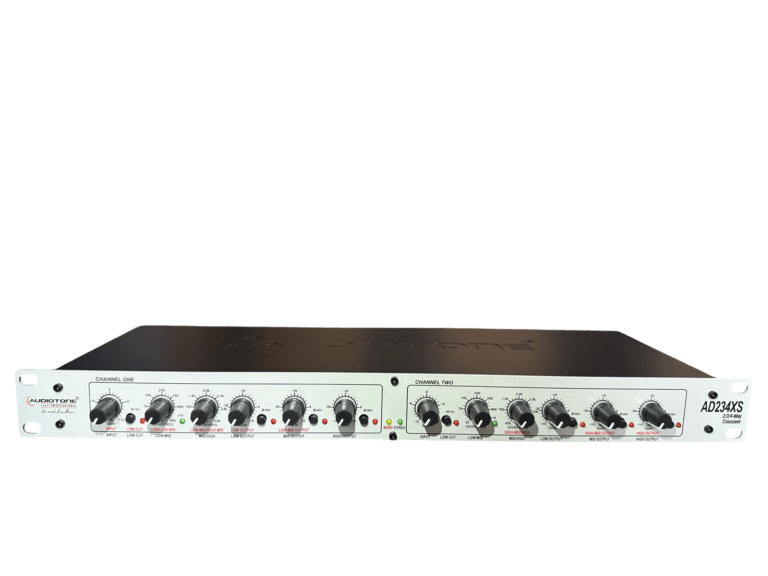
Who Should Use an Active Crossover?
An electronic crossover system is perfect for:
- DJ professionals
- Live sound engineers
- Event production companies
- Auditoriums & churches
- Touring sound setups
- Permanent PA installations
If you’re upgrading your speaker cabinets or amplifiers, pairing them with a high-quality DJ crossover unit ensures maximum output efficiency.
Why Investing in a Quality Active Crossover Pays Off
A well-calibrated live sound crossover can dramatically improve tonal balance and system longevity. Instead of pushing your speakers beyond their limits, you’re distributing frequencies intelligently.
In the long run, that means:
- Fewer equipment failures
- Lower maintenance costs
- Better sound quality
- Stronger audience impact
Professional sound system isn’t about volume alone — it’s about precision.
Conclusion: Take Full Control of Your Sound
If you want tighter bass, smoother mids, and crystal-clear highs, upgrading to a professional active crossover is a smart move. Whether you're building a new sound setup or refining an existing one, the right crossover ensures your system performs at its peak.
Explore high-performance active crossover solutions today and elevate your sound system with confidence.