Ever been to a gig where the music is incredibly loud, but it just sounds... messy? Like a giant wall of sonic mud? We've all been there. The secret to fixing that often comes down to one massively underrated piece of gear in the rack: the active crossover. Whether you're a working DJ, a live sound engineer, or just someone who refuses to settle for bad audio, getting a grip on this tool changes everything.
What Is an Active Crossover & Why Does It Matter?
Think of an active crossover as a super-smart traffic cop for your audio signal. It sits right before your amplifiers and splits the sound into different frequency lanes.
In plain English? It grabs the heavy lows and sends them straight to your subwoofers. It pushes the vocals and mids to your mid-range speakers, and tosses the crisp highs up to your tweeters. Because of this, every single speaker only works on the exact sounds it was physically built to handle.
Why is this such a big deal?
- It completely stops frequencies from crashing into each other.
- Your overall sound clarity shoots through the roof.
- Distortion basically drops to zero.
- It acts as a bodyguard, protecting your expensive speakers from blowing out.
How Active Crossovers Improve Your Sound System
When you try to run a setup without a proper active crossover for speakers, you're basically forcing your gear to play frequencies it naturally hates. And that's exactly when things start sounding harsh or getting damaged.
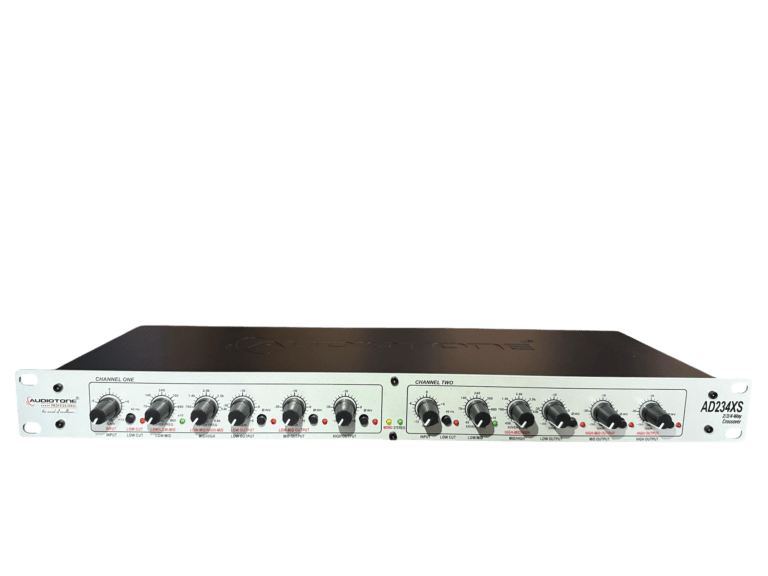
Here is what happens when you actually use one:
- Sharper sound separation: Every box in your rig only plays its dedicated range. No overlapping mess.
- Way better efficiency: Because your amplifiers aren't wasting power pushing heavy bass to a tweeter, they work incredibly efficiently.
- Increased system lifespan: You take a massive amount of strain off your components, meaning they survive years longer on the road.
- Custom tuning options: You get the freedom to tweak and fine-tune your sound to perfectly match whatever weird acoustic space or venue you're playing in.
Types of Active Crossovers You Should Know
Buying a crossover isn't a "one size fits all" deal. You have to match it to what you're actually running on stage. If you are looking into the different types of audio crossovers, here is the quick breakdown:
- 2-Way Active Crossover: This splits your audio straight down the middle—just lows and highs. Honestly, this is the sweet spot for basic DJ setups and smaller pub gigs.
- 3-Way Active Crossover: This chops the signal into lows, mids, and highs. If you are running a professional, large-scale sound system, this is an absolute must-have.
- Stereo vs Mono Crossovers: This really just comes down to your specific stage design and how you prefer to route your outputs.
How to Choose the Right Active Crossover
Not all units sitting on the shelf are worth your money. If you are hunting for the best active crossover for DJ or live band setups, you need to look past the marketing fluff.
Here are the absolute must-check features before you buy:
- Knobs that give you tight, precise frequency control.
- Low-noise circuitry (because nobody wants a background hiss during a quiet acoustic set).
- Enough output channels to feed all your amps.
- A solid, heavy-duty build that can survive long, demanding sessions.
- Dead-simple compatibility with your current amplifiers and speakers.
Common Mistakes to Avoid
You can buy the most expensive gear in the world, but if you set it up wrong, it'll still sound terrible. Crossover setup mistakes happen all the time, even to the seasoned pros.
Watch out for these common traps:
- Dialing in the wrong crossover frequencies (please don't send 80Hz to a tweeter!).
- Messing up your gain structure and clipping the signal.
- Totally ignoring how your specific speakers naturally roll off.
- Overcomplicating a setup that just needs to be simple and balanced.
Keep your levels in check, and always do a proper soundcheck before the crowd walks in.
Why Audiotone is the Smart Choice for Precision Sound
In the professional audio world, rock-solid consistency and performance beat flashy specs every single time. When you're live, you just need gear that works.
What makes Audiotone stand out from the pack?
- Precision-engineered crossovers: Built strictly for dead-accurate frequency splitting.
- User-friendly controls: Even if you are relatively new to tuning a room, the layout makes total sense.
- Rock-solid under pressure: Whether you're an installation tech or a touring DJ, this gear doesn't quit halfway through a set.
- Clean signal processing: It preserves the raw integrity of your audio without injecting annoying noise.
- A versatile lineup: From local setups to massive club installations, there is a unit built for your specific rig.
Conclusion: Take Control of Your Sound
At the end of the day, if you take your audio quality seriously, an active crossover isn't just an optional accessory—it is the brain of your entire operation.
It hands you the clarity, control, and absolute confidence you need during every single performance. Don’t let your expensive sound system underperform because of a weak signal chain. Upgrade your rack with the right crossover and you will hear the massive difference the second you hit play.