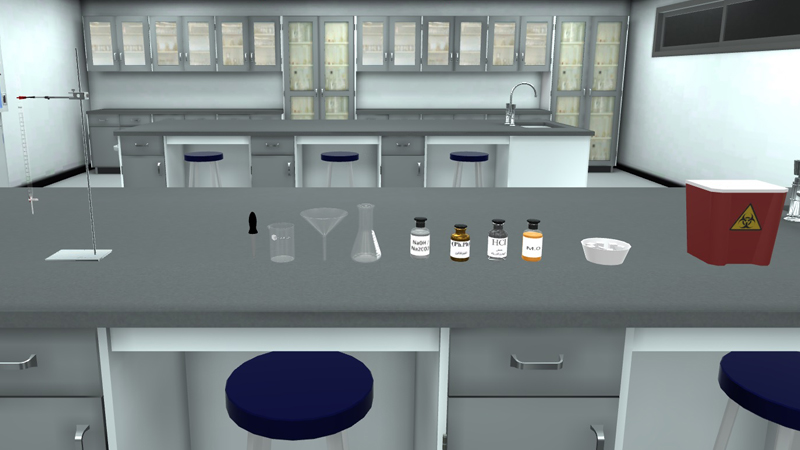
Warder Titration is a classical acid-base titration technique used to determine the individual concentrations of sodium hydroxide (NaOH) and sodium carbonate (Na₂CO₃) in a mixed solution. The method employs two indicators—phenolphthalein and methyl orange—to identify two distinct endpoints during titration with hydrochloric acid. These endpoints correspond to the sequential neutralization of hydroxide and carbonate ions, allowing accurate calculation of each component's concentration. Warder Titration also helps students understand neutralization reactions, acid-base titration principles, and the role of double-indicator methods in quantitative chemical analysis, making it an essential experiment in analytical chemistry laboratories.