Polypropylene (PP) yarn is a versatile and high-demand material widely used across various industries, from textiles to packaging, agriculture, and beyond. Known for its durability, resistance to chemicals, and cost-effectiveness, PP yarn has become essential for many manufacturers worldwide, especially in India, where the industry is thriving. In this article, we’ll explore the features, uses, and benefits of PP yarn, and highlight some of the top PP yarn manufacturers in India.
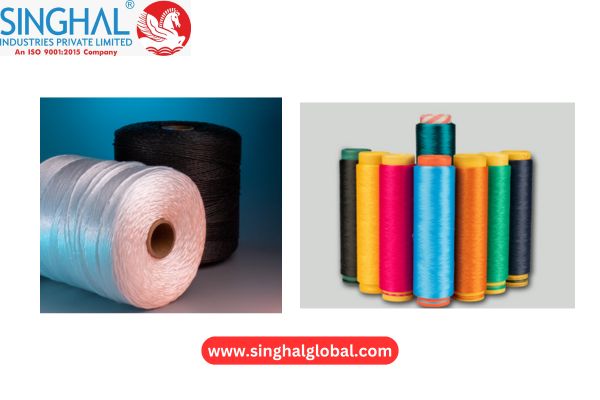
Understanding PP Yarn and Its Applications
What is PP Yarn?
Polypropylene yarn, commonly known as PP yarn, is a synthetic fiber derived from propylene polymer. It’s a lightweight, high-strength yarn that offers numerous benefits, including resistance to moisture, chemicals, and abrasion. PP yarn is also recyclable, making it an environmentally-friendly choice for companies prioritizing sustainability.
Key Characteristics of PP Yarn
- High Strength and Durability: PP yarn is known for its tensile strength, making it ideal for products that require robust material, such as ropes, sacks, and geotextiles.
- Chemical and Moisture Resistance: Unlike many natural fibers, polypropylene does not absorb water and is resistant to mildew, bacteria, and chemical degradation.
- Cost-Effectiveness: The production of PP yarn is less expensive than many other synthetic fibers, making it a budget-friendly choice for manufacturers.
- Lightweight: PP yarn’s low density allows for lighter end-products, which can be advantageous for industries focused on ease of handling and transport.
Applications of PP Yarn
The versatility of PP yarn has opened its use across a wide range of sectors:
- Textiles: Used in clothing, furnishings, and other textile products, PP yarn provides strength and durability.
- Industrial Applications: Common in the manufacturing of ropes, webbings, and industrial fabric due to its resilience and durability.
- Agriculture: Used for making agricultural netting, woven ground cover, and other products that need durability in outdoor conditions.
- Geotextiles and Construction: PP yarn is often used in construction applications such as soil stabilization and erosion control due to its high strength and stability.
PP Yarn Manufacturing in India: A Growing Industry
India has become a significant hub for the production of PP yarn, thanks to its well-established textile industry and availability of raw materials. PP Yarn Manufacturers in India not only meet the domestic demand but also export PP yarn globally, reinforcing the country’s position in the global PP yarn market.
Several factors contribute to India’s prominence in PP yarn manufacturing:
- Abundant Raw Materials: India has a robust petrochemical industry, which provides an ample supply of polypropylene, the raw material for PP yarn.
- Skilled Labor Force: India’s long history in textile manufacturing ensures a skilled workforce capable of producing high-quality yarn.
- Competitive Pricing: Indian manufacturers are known for providing high-quality products at competitive prices, making them attractive suppliers to the global market.
Leading PP Yarn Manufacturers in India
India boasts numerous manufacturers that specialize in producing PP yarn.
The Future of PP Yarn in India
The demand for Polypropylene yarn in India is expected to continue growing as industries increasingly favor polypropylene for its durability, cost-effectiveness, and environmental benefits. Several trends are likely to shape the future of PP yarn manufacturing in India:
- Sustainability Initiatives: As global awareness of environmental impact increases, manufacturers are investing in sustainable practices, including producing recyclable and biodegradable variants of PP yarn.
- Advanced Manufacturing Technologies: Innovations such as automated spinning and quality control technologies are helping manufacturers increase production efficiency and maintain high quality.
- Expansion of Export Markets: Indian PP yarn manufacturers are increasingly looking to expand their reach in international markets, particularly in Europe and North America, where demand for durable, cost-effective materials is strong.
Conclusion
PP yarn is a cornerstone of many industries, valued for its strength, versatility, and affordability. With a thriving manufacturing industry and abundant resources, India is well-positioned to lead in the production and export of high-quality polypropylene yarn.
The rise of eco-friendly practices and advancements in production technology further position Indian manufacturers at the forefront of the global PP Yarn Manufacturer. Whether for textiles, agriculture, or industrial applications, Indian PP yarn manufacturers are set to play a pivotal role in meeting the needs of modern industries worldwide.
Frequently Asked Question
1. What is PP yarn, and what is it made of?
Answer: PP yarn, or polypropylene yarn, is a type of synthetic fiber made from the polymer polypropylene. This material is known for its durability, lightweight nature, and resistance to chemicals and moisture. It’s widely used in textiles, packaging, agriculture, and industrial applications.
2. What are the main advantages of using PP yarn over other types of yarn?
Answer: PP yarn is valued for its high strength, cost-effectiveness, and resistance to moisture, chemicals, and abrasion. It’s also lightweight, making it ideal for various applications where weight is a concern. Unlike natural fibers, PP yarn does not absorb water, which prevents issues like mold or mildew.
3. What are the common applications of polypropylene yarn?
Answer: PP yarn is used in various industries, including:
- Textiles: For products like carpets, upholstery, and outdoor fabrics.
- Agriculture: For netting, ground covers, and crop protection fabrics.
- Industrial: Used in ropes, webbings, and geotextiles.
- Packaging: Often used in making woven sacks, bulk bags, and packaging materials.
4. Why is India a leading manufacturer of PP yarn?
Answer: India’s PP yarn industry benefits from factors like an ample supply of raw materials (thanks to a strong petrochemical industry), skilled labor, and advanced manufacturing technology. Indian manufacturers are also able to produce high-quality yarn at competitive prices, making India a preferred supplier globally.