As outdoor electronic devices become increasingly integrated into our daily lives, the demand for robust and reliable protective solutions grows. Protective vents have emerged as essential components for safeguarding outdoor electronics against environmental challenges while ensuring optimal performance. This article explores the importance of protective vents, their applications, and how they contribute to the longevity of electronic devices.
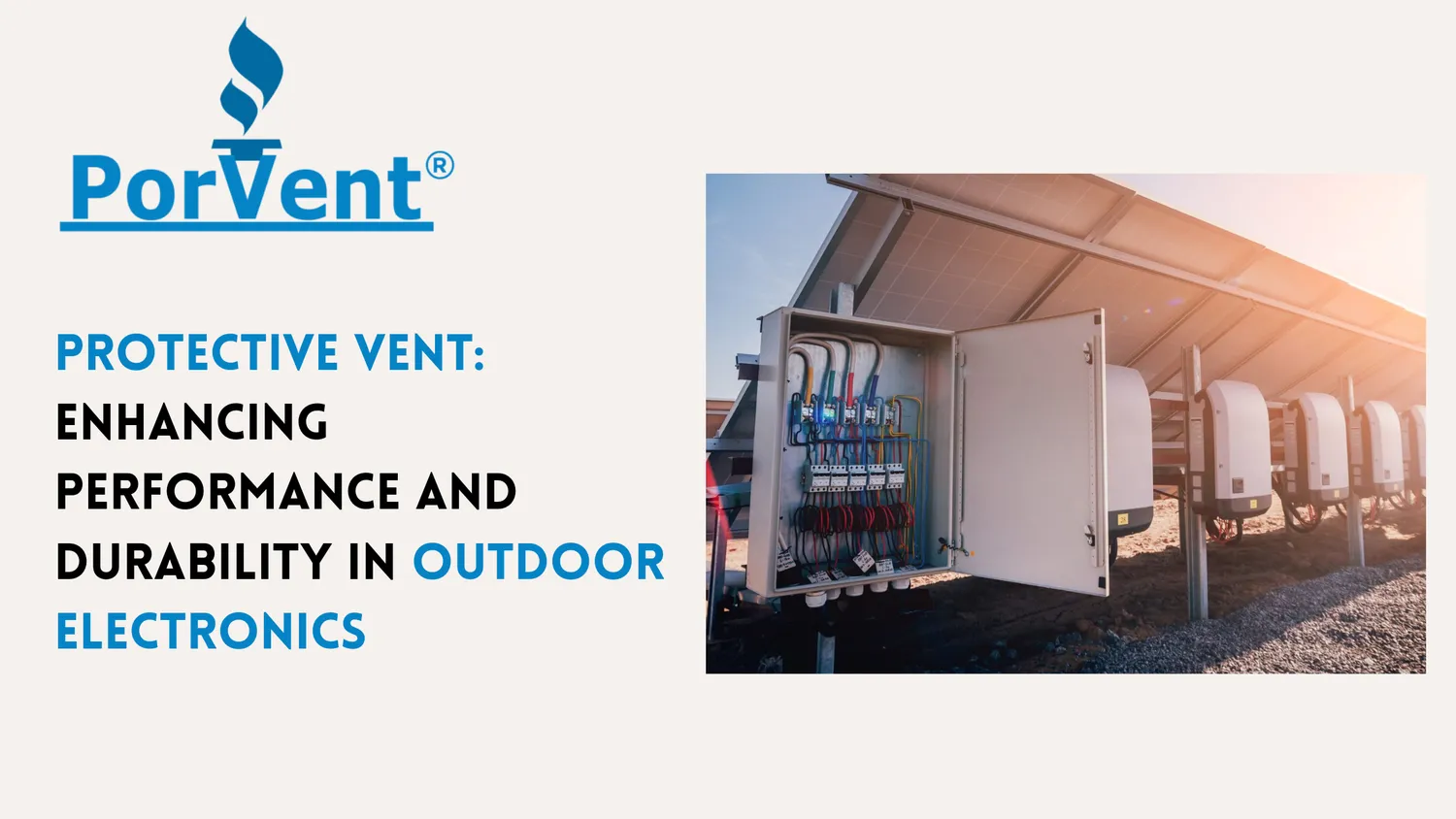
The Role of Protective Vents in Outdoor Electronics
Outdoor electronics face various environmental threats, including moisture, dust, debris, and temperature fluctuations. Protective vents provide a reliable barrier against these elements while allowing for air exchange and pressure equalization. These features are particularly crucial for maintaining the functionality and integrity of sensitive electronic components.
Key Functions of Protective Vents:
- Pressure Equalization: Protective vents mitigate the effects of rapid temperature changes by equalizing internal and external pressure. This prevents stress on seals and enclosures, reducing the risk of deformation or failure.
- Moisture Prevention: The vents incorporate advanced membrane technology that allows air to pass through while blocking water and other liquids. This ensures that electronic components remain dry and operational.
- Dust and Debris Resistance: Protective vents act as a barrier against dust, dirt, and other contaminants that could compromise the functionality of electronic systems.
- Heat Dissipation: By facilitating airflow, protective vents help dissipate heat generated by electronic components, preventing overheating and ensuring consistent performance.
Applications of Protective Vents in Outdoor Electronics
Protective vents are widely used in various outdoor electronic applications. Some common use cases include:
- Automotive Electronics: Modern vehicles incorporate numerous electronic systems, such as sensors, cameras, and control units. Protective vents safeguard these components from harsh road conditions, including water, mud, and extreme temperatures. For example, electronic vent solutions in headlights prevent condensation while maintaining illumination efficiency.
- Outdoor Lighting: Streetlights, architectural lighting, and solar-powered lamps are exposed to fluctuating weather conditions. Protective vents prevent moisture accumulation and enhance the longevity of these devices, reducing maintenance costs.
- Telecommunications Equipment: Outdoor telecommunication enclosures, such as base stations and signal boosters, rely on protective vents to maintain consistent internal environments. This ensures uninterrupted network performance and equipment durability.
- Renewable Energy Systems: Protective vents are essential for solar inverters, battery enclosures, and wind turbine control systems. They protect sensitive electronics from environmental elements, contributing to the efficiency and reliability of renewable energy infrastructure.
- Consumer Electronics: Devices like outdoor speakers, security cameras, and weather monitoring stations benefit from protective vents that shield them from moisture, dust, and temperature extremes.
Key Features of High-Quality Protective Vents
When selecting protective vents for outdoor electronics, certain features are critical to ensuring optimal performance:
- Durable Membrane Technology: High-quality protective vents use advanced membranes, such as expanded polytetrafluoroethylene (ePTFE), to provide reliable protection against water, dust, and other contaminants.
- UV Resistance: Protective vents designed for outdoor use are typically UV-resistant, ensuring they remain functional even after prolonged exposure to sunlight.
- Chemical Resistance: The vents should withstand exposure to automotive fluids, cleaning agents, and other chemicals without degradation.
- Thermal Stability: Protective vents must operate effectively across a wide temperature range to accommodate various environmental conditions.
- Easy Integration: High-quality vents are designed for easy installation, making them compatible with diverse enclosure designs and materials.
Innovations in Protective Vent Technology
Advancements in protective vent technology have expanded their capabilities and applications. For example:
- Electronic Vent Solutions: Innovative electronic vent designs offer enhanced air permeability and faster pressure equalization, improving the performance of sensitive devices in demanding environments.
- Customizable Designs: Manufacturers now provide tailored protective vent solutions to meet specific application requirements, such as unique enclosure shapes or specialized environmental conditions.
- Sustainability Initiatives: Eco-friendly materials and manufacturing processes are being incorporated into protective vent production, aligning with global sustainability goals.
Benefits of Using Protective Vents
Integrating protective vents into outdoor electronic systems offers several advantages:
- Extended Product Lifespan: By preventing environmental damage, protective vents enhance the durability and longevity of electronic devices.
- Reduced Maintenance Costs: Protective vents minimize the need for repairs and replacements, leading to significant cost savings over time.
- Enhanced Reliability: Devices equipped with protective vents maintain consistent performance, even in challenging conditions.
- Improved User Experience: Reliable electronics ensure user satisfaction and reduce downtime caused by malfunctions.
- Compliance with Industry Standards: Protective vents help manufacturers meet environmental protection and performance standards.
Conclusion
Protective vents play a vital role in safeguarding outdoor electronics from environmental challenges, ensuring their performance and reliability. With their ability to provide pressure equalisation, moisture resistance, and protection against dust and debris, these components are indispensable for various applications. As technology advances, the adoption of innovative protective vent solutions will continue to grow, driving improvements in the durability and functionality of outdoor electronics.
For more information on protective vents and their applications, visit PorVent®.