Introduction
The rapid advancement of electric vehicles (EVs) has revolutionized the automotive industry, offering sustainable alternatives to traditional internal combustion engines. Central to the performance and longevity of EVs is the efficiency and safety of their battery systems. Among the critical components ensuring these attributes are pressure release vents. These devices play a pivotal role in maintaining optimal battery function, preventing potential hazards, and extending the lifespan of EV batteries.
Understanding Pressure Release Vents
Pressure release vents are specialized components integrated into EV battery packs to manage internal pressure fluctuations. During regular operation, batteries may experience changes in pressure due to temperature variations, charging and discharging cycles, or unforeseen malfunctions. If unchecked, excessive internal pressure can lead to battery deformation, leakage, or even catastrophic failures. Pressure release vents are designed to mitigate these risks by allowing the controlled expulsion of gases and equalizing internal pressure.
The Role of Pressure Release Vents in EV Performance
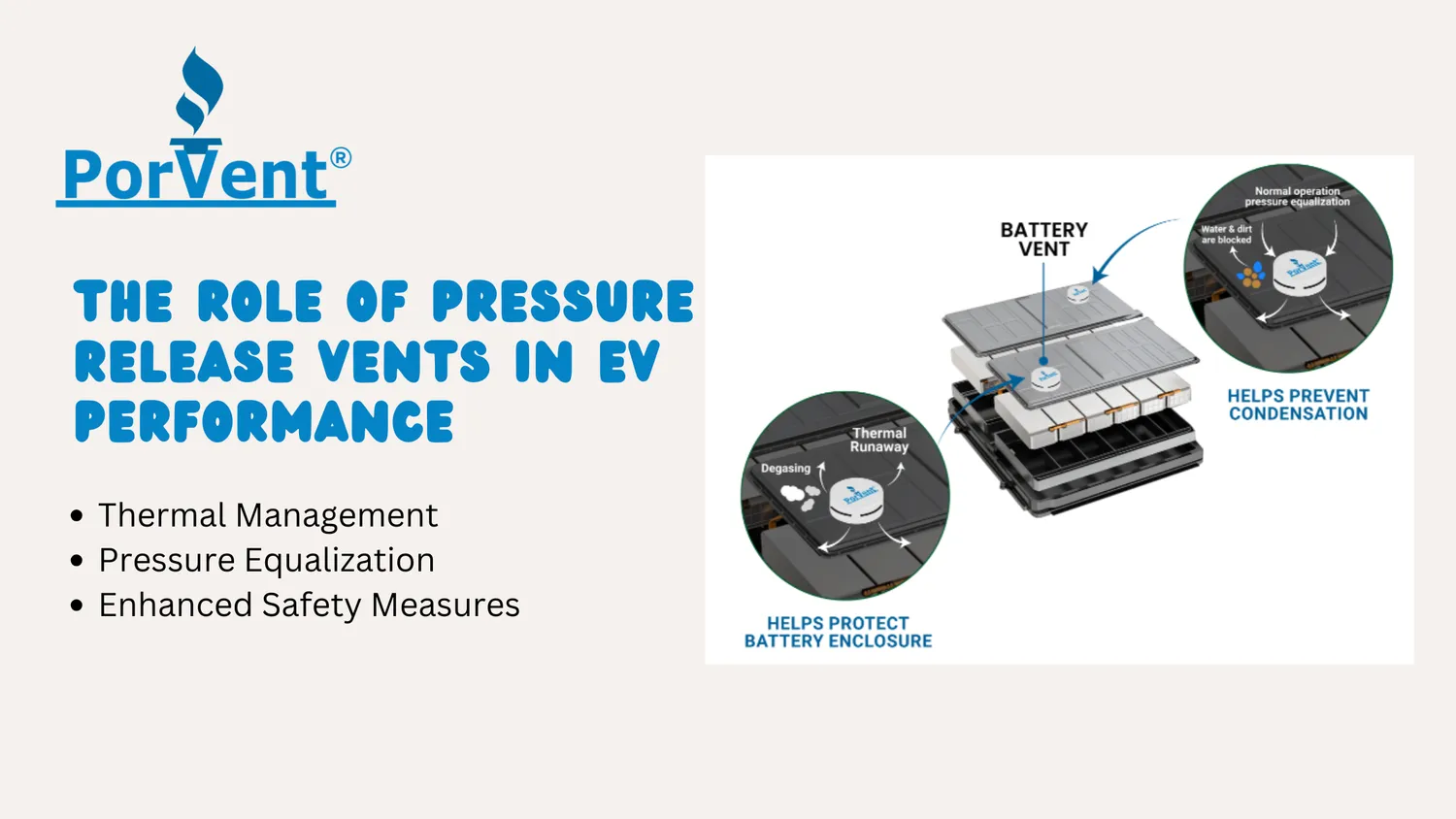
- Thermal Management:
Efficient thermal management is crucial for battery performance. Pressure release vents facilitate the expulsion of heat-generated gases, preventing overheating and ensuring the battery operates within optimal temperature ranges. - Pressure Equalization:
During charging and discharging, batteries can experience pressure changes. Vents help in equalizing this pressure, maintaining the structural integrity of the battery pack. - Enhanced Safety Measures:
In the event of thermal runaway—a condition where battery temperature rapidly increases—pressure release vents act as a safeguard by releasing built-up gases, thereby reducing the risk of explosions or fires.
Advancements in Pressure Release Vent Technology
The evolution of pressure release vents has seen significant innovations aimed at enhancing their functionality and reliability:
- Multi-Functional Venting Units:
Modern vents, such as Eaton's 3-in-1 battery vent valve, offer multiple functions including passive and active venting, as well as leak-check mechanisms. These integrated features streamline battery design and improve safety protocols. - Advanced Materials:
The use of materials like expanded polytetrafluoroethylene (ePTFE) membranes has improved vent performance by providing efficient pressure relief while preventing ingress of contaminants.
Impact on Battery Longevity
Properly functioning pressure release vents contribute significantly to the lifespan of EV batteries:
- Prevention of Physical Deformation:
By managing internal pressures, vents prevent swelling or deformation of battery cells, which can compromise battery integrity over time. - Mitigation of Electrolyte Leakage:
Controlled pressure release reduces the likelihood of electrolyte leakage, preserving the chemical stability and performance of the battery. - Reduction of Thermal Stress:
Effective venting minimizes thermal stress on battery components, thereby slowing degradation processes and extending service life.
Safety Considerations
Incorporating pressure release vents is paramount for ensuring the safety of EVs:
- Compliance with Safety Standards:
Regulatory bodies mandate the inclusion of pressure relief mechanisms in battery designs to meet safety standards and certifications. - Protection Against External Factors:
Vents safeguard batteries from environmental contaminants such as moisture and dust, which can lead to short circuits or corrosion. - Emergency Response:
In critical situations, pressure release vents provide a controlled pathway for gas expulsion, reducing the potential for uncontrolled explosions or fires.
Future Trends and Developments
The trajectory of pressure release vent technology is poised for further advancements:
- Customization for Specific Applications:
As EV designs diversify, vent technologies are likely to become more tailored to specific vehicle architectures and performance requirements. - Enhanced Environmental Resistance:
Developments aim to improve vents' resilience against extreme environmental conditions, ensuring consistent performance across diverse climates.
Conclusion
Pressure release vents are indispensable components in the architecture of electric vehicle batteries, directly influencing performance, safety, and longevity. Through effective management of internal pressures and safeguarding against thermal events, these vents ensure that EVs operate efficiently and reliably. As technology progresses, continued innovation in vent design and integration will be pivotal in advancing the capabilities and adoption of electric vehicles globally.
For more information on how PorVent® can enhance your electric vehicle's performance and safety with advanced pressure release vent solutions.